
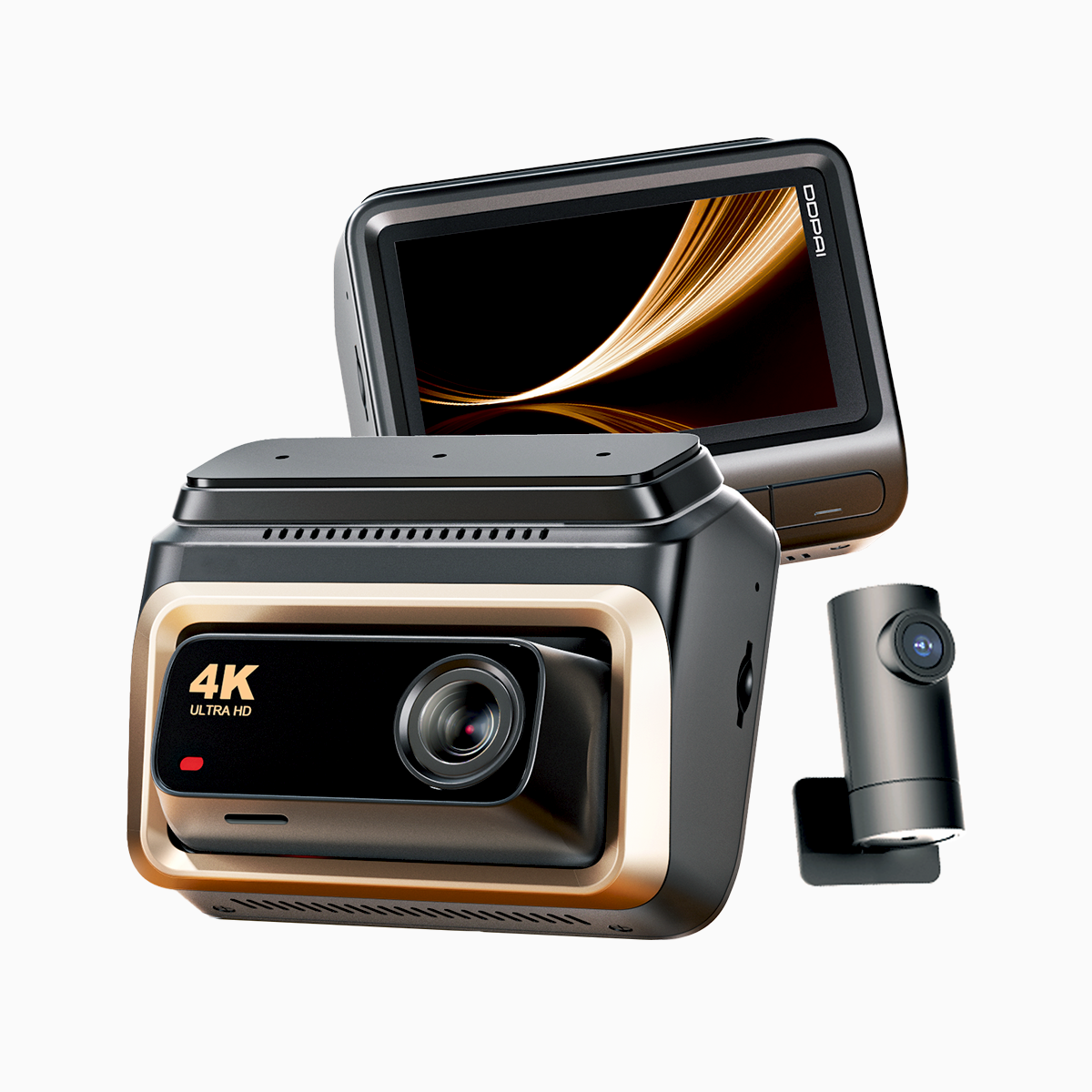
Comparative premise and urban anchor
This comparative analysis evaluates the trade-offs that matter when integrating a modular mini system into space-constrained vehicles, with an emphasis on video fidelity and installation pragmatics. Drivers on congested corridors such as Metro Manila’s EDSA require reliable incident capture under variable lighting and stop-start traffic; a well-chosen 4k dash cam can materially change incident documentation and insurance outcomes. The discussion below distinguishes image capture performance (frame rate, bitrate) from ergonomic footprint, providing a structured lens for decision-making.
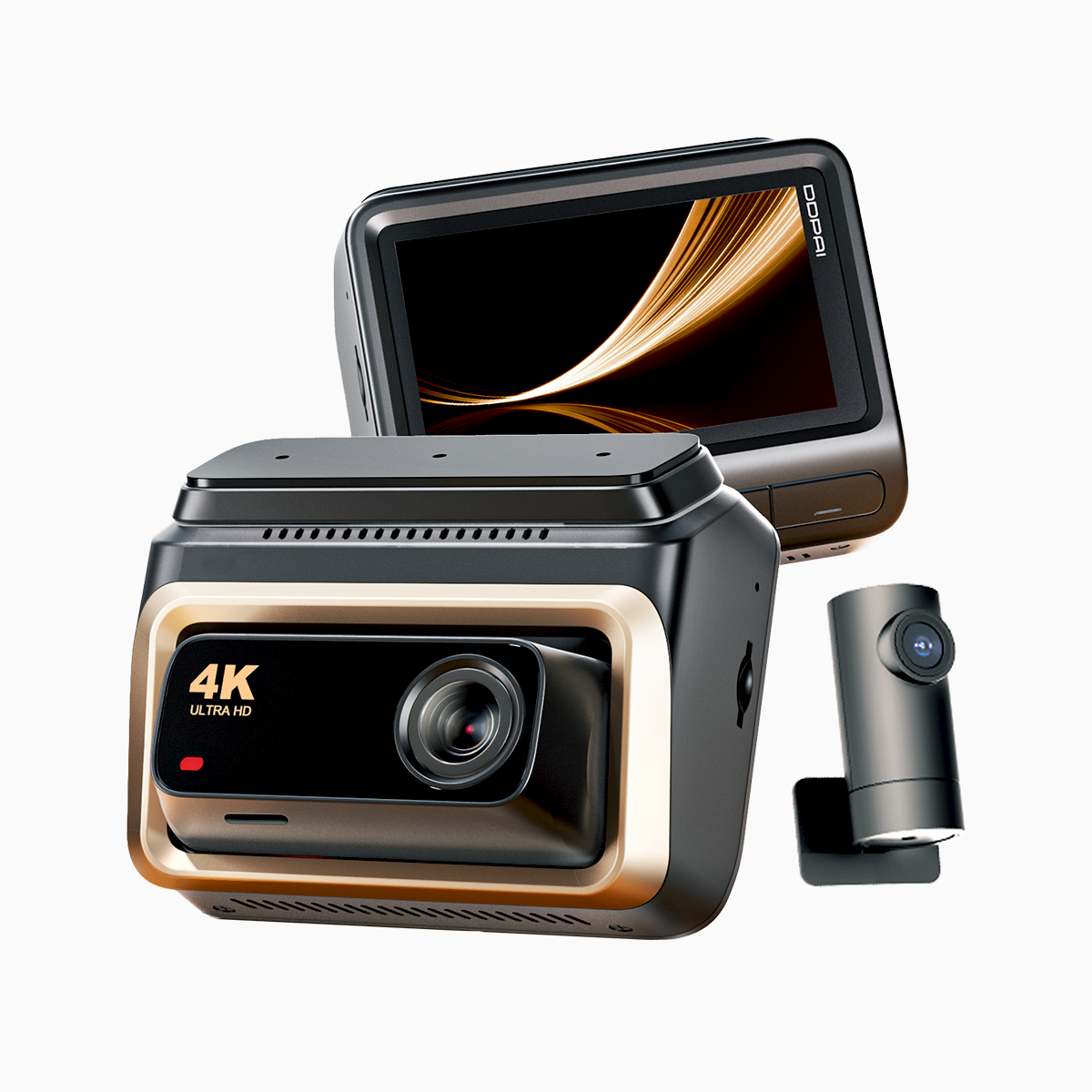
Head-to-head: modular mini vs integrated vs traditional units
Modular mini cameras prioritize low profile and flexible placement; integrated units favour consolidated aesthetics while traditional bulk units emphasize features. Comparative strengths: modular units reduce obstruction and simplify transfers between vehicles; integrated units offer cleaner wiring and factory-like appearance; traditional units often provide a wider set of features at the expense of cabin intrusion. Evaluate field of view and sensor size first, then compare the effective bitrate and codec implementation to anticipate compression artifacts in low light.
Installation dynamics and runtime behavior
Installation is not merely mounting. Heat, windshield curvature, and accessory power availability determine longevity. Modular designs typically use adhesive mounts or small brackets and permit multi-angle adjustments; integrated systems require more invasive harness integration. Parking mode and G-sensor tuning are variables that affect false-positive recordings and battery drain—adjust them to local stop-and-go patterns. —A short practical note: verify the accessory fuse position before planning hardwiring; it saves time and prevents guesswork.
Common mistakes and credible alternatives
Several recurrent errors reduce the value of a purchase:
– Selecting peak resolution without assessing codec efficiency, which yields large files that strain storage management.
– Placing the camera where the sun or wipers frequently interfere, compromising sequence continuity.
– Ignoring firmware update paths and vendor support, which limit long-term reliability.
Alternatives include smartphone-based continuous recording (convenient but unstable), dual-channel systems for simultaneous front/rear capture (higher data demands), and hardwired low-profile modules for a near-factory feel. For higher-end requirements, a dedicated 4k pro dash camera offers superior low-light performance and enhanced compression strategies suitable for extended loop recording.
Operational metrics that inform purchase and deployment
Metrics drive clarity. The following framework converts comparative judgment into actionable selection criteria:
1. Effective image utility: prioritize real-world capture quality over headline resolution. Consider tested dynamic range and frame rate at night; a 30 fps stream with consistent exposure often outranks an unstable 60 fps burst in mixed lighting.
2. Integration cost: quantify installation time, harness modifications, and accessory power needs. A lower upfront price can translate into higher labor or accessory costs when concealed wiring is required.
3. Support and maintainability: firmware update cadence, local service options, and storage management tools. Opt for vendors that publish firmware changelogs and provide straightforward file transfer utilities—these reduce long-term friction.
Three golden rules for selection
Adopt these evaluation metrics as non-negotiable checkpoints. First, validate sustained capture quality under representative conditions (day, night, rain). Second, confirm that the device’s installation model fits the vehicle’s cabin geometry without impairing driver sightlines. Third, demand a clear support path: documented firmware releases, accessible mounting parts, and reasonable warranty terms. These three rules align performance expectations with operational reality and point to vendors that design for daily urban driving rather than lab benchmarks. In practice, choosing a modular mini system that meets these rules produces measurable benefits in documentation quality and user satisfaction. The brand-level value becomes evident when the product integrates reliably with the vehicle and the owner’s routines—hence the practical appeal of solutions from DDPAI PH.
Final thought: select with evidence, install with care, and verify in the field; small choices yield durable value.