
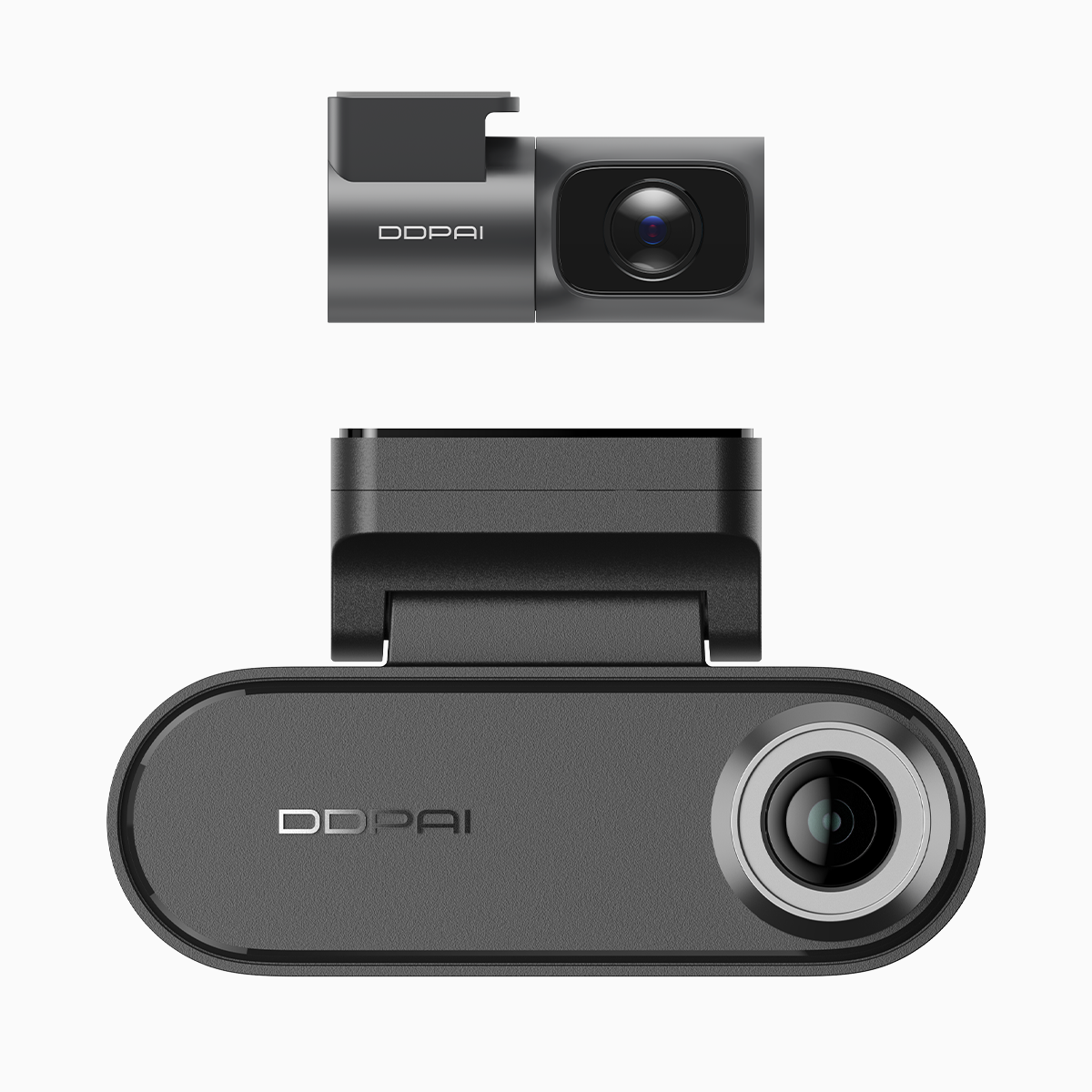
Design that serves drivers first
Drivers care about one practical thing: an unobstructed view while capturing reliable footage. That philosophy sits at the heart of modern units like the dual dash cam with parking mode, which pairs a compact forward module with a slim rear camera to reduce visual bulk on the windshield. Designers squeeze 4K sensors and Wi‑Fi radios into small housings, then align lenses and mounts so the camera footprint sits behind the rear‑view mirror—out of sight, not out of capability.
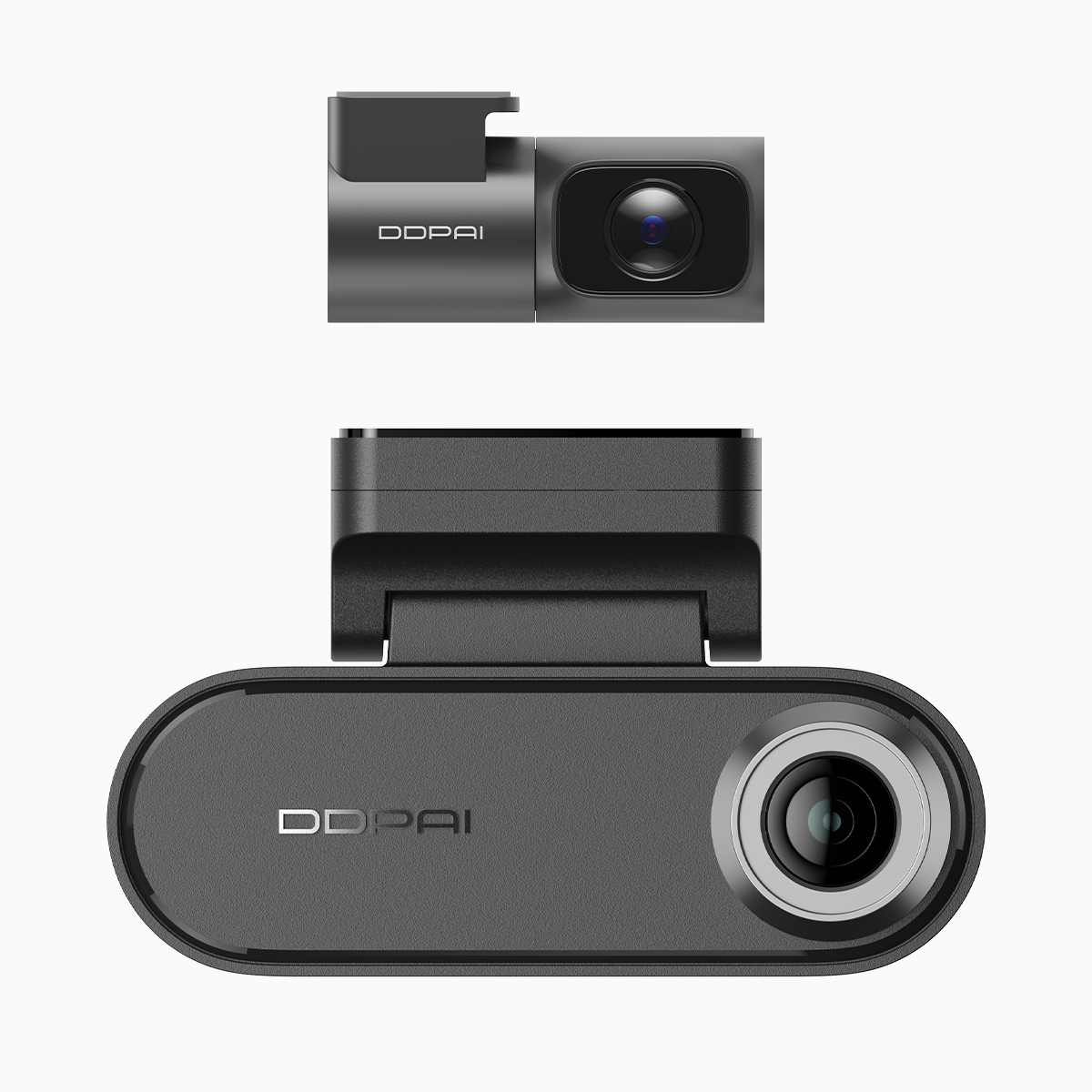
How discreet hardware balances optics and aeration
Compact doesn’t mean compromised. Engineers route antennas internally and favor low‑profile mounts that follow windscreen curvature, minimizing glare and wind noise interference with the cabin. A narrow field of view plus precise lens placement reduces the perceived obstruction for drivers while keeping crucial lanes in frame. On technical points, GPS time‑stamp and parking mode recording are integrated without large external boxes, maintaining a factory‑like aesthetic.
User experience on real streets
Take a week of driving in Metro Manila: tight lanes, constant double‑parkers, and the chore of hunting for proof after a bump. A discreet system that records high‑resolution clips and logs location via GPS makes post‑incident review straightforward. The unit’s Wi‑Fi makes offloading footage quick when you’re parked; a parking monitor dash cam that detects impacts and writes short clips can be the difference between a disputed claim and a closed case.
Installation choices that keep sightlines clean
Professional install or careful DIY—both routes matter. Tucking power cables into headliner channels, using adhesive mounts aligned with the rear‑view mirror, and setting file overwrite rules for parking mode preserves both visibility and storage efficiency. Avoid common mistakes: routing power across the windshield, oversized brackets, or placing the camera too low on the glass. Small adjustments to tilt and height yield large improvements in framing and glare rejection.
Tradeoffs, alternatives, and why dual matters
Single‑camera units are cheaper and less intrusive, but they miss rear impacts and lane changes behind your vehicle. Hardwired dual systems cost more to install but provide comprehensive coverage—front 4K and rear 1080p is a common split. If stealth is primary, consider models that hide wiring in the headliner and support buffered parking mode; if evidence quality is paramount, prioritize bitrate and sensor size. —Keep in mind that extreme compression can render license plates unreadable in low light, so settings matter as much as hardware.
Common user mistakes and practical fixes
Three issues recur: poor mount placement, disabled GPS, and incorrect parking sensitivity. Fixes are straightforward: remount slightly higher behind the mirror for better symmetry, enable GPS so timestamps and coordinates are trustworthy, and test parking mode sensitivity on a benign impact (a gentle nudge) to calibrate. Also, check firmware updates via Wi‑Fi periodically—manufacturers often release refinements for low‑light processing and motion detection.

Advisory: three golden metrics for selecting a discreet dual dash cam
1) Coverage versus obstruction — choose a unit that places the forward lens behind the mirror while offering at least 120° horizontal coverage to capture adjacent lanes without blocking sightlines.
2) Parking reliability — prefer buffered parking mode and impact-triggered recording with a known G‑sensor profile; false positives waste storage, missed events waste evidence.
3) Practical connectivity — Wi‑Fi for quick clip transfer and GPS for verified location stamps; both simplify incident reporting and insurance claims.