
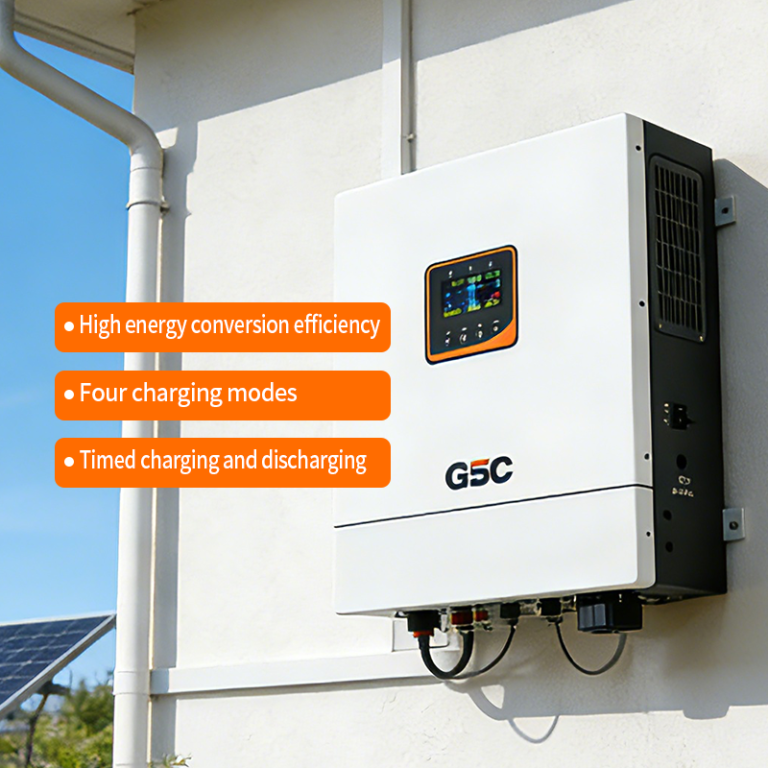
When power fails, a carefully tuned system keeps a household safe and comfortable — that’s the point of comparing settings and hardware. After watching the February 2021 Texas outages, many engineers and homeowners started treating voltage thresholds and delta‑V as not just technical details but as life‑safety parameters. This piece takes a comparative look at how those settings interact with battery chemistry and inverter behavior, and it begins by noting that the choice of a solar hybrid inverter often dictates what thresholds are practical in real homes.
Why voltage thresholds and delta‑V matter
Voltage threshold is the point where charging or discharging stops to protect the battery. Delta‑V is the small voltage change used to detect a full charge or to manage tapering. Together they protect cycle life and determine usable capacity. In simple terms: conservative thresholds preserve the battery but reduce immediate usable kWh; aggressive thresholds boost capacity but shorten life. A good battery management system (BMS) coordinates thresholds and prevents damage by tracking state of charge (SoC) and cell balance.

How chemistry and inverter choice change the conversation
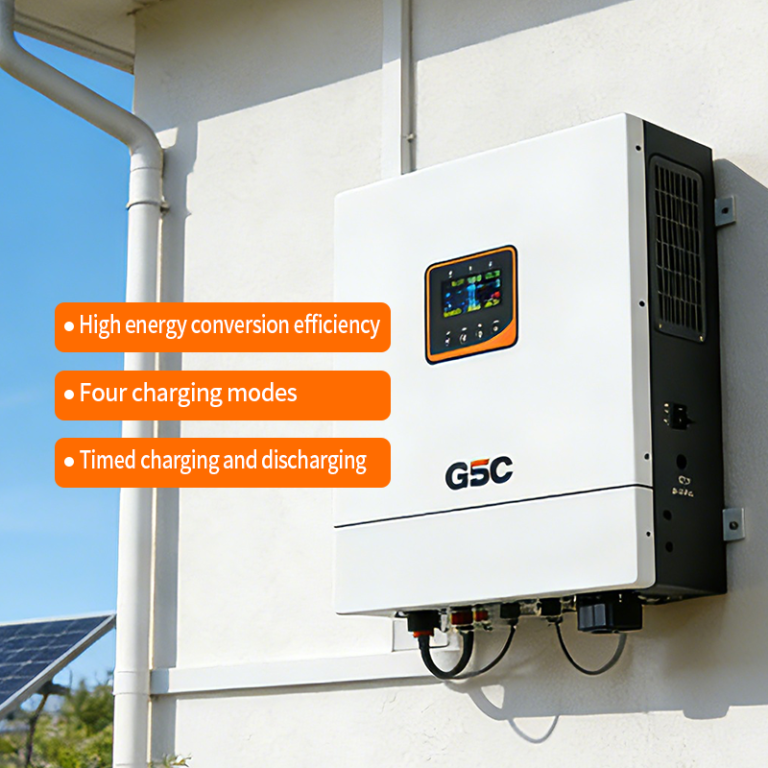
Lead‑acid, lithium iron phosphate (LFP), and newer chemistries each demand different thresholds. Lead‑acid needs higher float voltages and deeper attention to specific gravity; LFP tolerates lower cutoffs and wider SoC windows, offering more cycles per kWh. The inverter — how it handles charge current, maximum discharge rate (kW), and frequency response — changes the ideal settings. In many domestic microgrids a hybrid inverter solar setup offers smart charging modes that adapt to solar production and grid import limits — that interplay often makes LFP the practical choice for residential backups. Be mindful of current limits and thermal constraints — they matter as much as voltage curves. — A small oversight on charge current can shorten warranty life.
Practical calibration steps for reliable backup
Start with the battery maker’s recommended cutoffs, then test under realistic load. Step one: set a conservative upper charge threshold to avoid overvoltage during rapid solar input. Step two: set the low‑voltage cutoff high enough to protect cells but low enough to deliver useful energy. Step three: tune the inverter’s low‑voltage ride‑through and re‑connect delay so short outages don’t force unnecessary cycling. Monitor SoC trends over a few weeks and adjust thresholds in small increments — the BMS logs are your friend. For systems using a hybrid inverter solar controller, enable adaptive charging if present; it will use PV production to reduce grid draw while keeping the pack healthy.
Common mistakes and how to avoid them
Mismatch between inverter settings and battery specs is the most frequent error. Other missteps include relying on default thresholds without field validation, ignoring ambient temperature effects, and failing to account for voltage drop in long cable runs. Fixes are straightforward: reconcile inverter and BMS settings, log real‑world discharge profiles, add temperature compensation to thresholds, and upgrade cabling where necessary. Also avoid one‑size‑fits‑all advice; household loads vary and so should the tuning.
Three golden rules for selection and tuning
1) Prioritize chemistry‑matched thresholds: pick batteries whose recommended cutoffs align with your inverter’s capabilities. This reduces firmware gymnastics and extends warranty life. 2) Measure before adjusting: use battery and inverter logs to make incremental changes, not sweeping ones. 3) Balance usable capacity with cycle lifespan: set delta‑V detection to favor longevity in systems meant for daily cycling, and allow a slightly wider SoC range for rare emergency use. These metrics — usable kWh, expected cycles, and sustainable C‑rate — are the practical axes you’ll evaluate.
Evaluation comes down to measurable outcomes: longer cycle life, predictable usable capacity, and fewer service interventions. In practice, tuning these variables produces quieter maintenance and steadier performance — and when the grid falters, that reliability shows up where it matters. gsopower. — steady systems, thoughtfully set.