
Comparing the Options: Traditional Cards vs. DiDi Finanzas’ Card Ecosystem
When you compare standard credit-card installment plans to a platform-designed ecosystem, the differences matter for real savings and simplicity. Traditional cards often advertise “months without interest” but tie that offer to merchant promotions, varying APR backstops, and a credit line that can vanish if your account balance spikes. By contrast, an integrated approach—like the one DiDi Finanzas supports—bundles merchant relations, pre-approved offers, and clearer installment financing mechanics into a single user journey. For practical steps and product links, see didi prestamos in the ecosystem overview.
How Interest-Free Months Actually Work
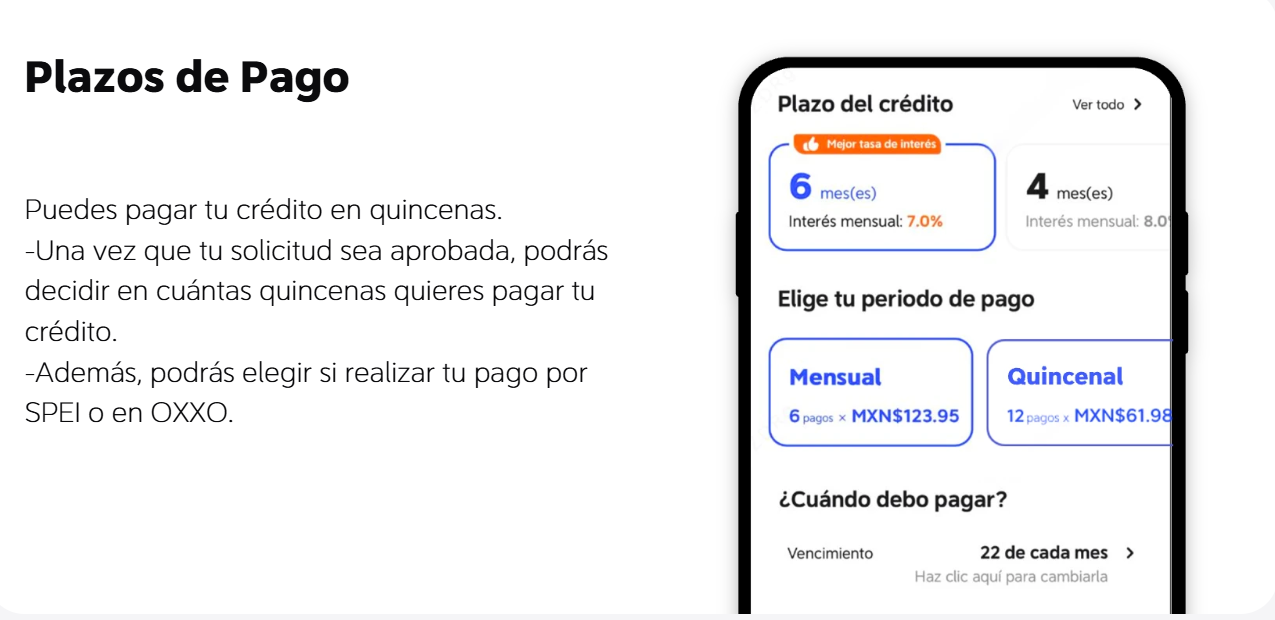
Interest-free months usually mean the lender waives finance charges if you repay within an agreed term. The mechanics rely on either merchant-funded promotions or lender-subsidized offers. That distinction dictates your risk: merchant-funded plans often limit returns and penalties, while lender-backed offers can attach deferred interest or kick in an APR if you miss payments. Industry terms to note are installment financing, APR, and credit line management—each affects how much you ultimately pay.
What DiDi Finanzas Brings to the Table
DiDi Finanzas focuses on streamlining approvals and matching users to installment offers that are actually usable in-app or at partnered merchants. This reduces friction at checkout and helps avoid common mismatches between advertised promotions and the fine print. During events like Black Friday in Mexico City many buyers found that integrated ecosystems reduced checkout confusion and saved time at crowded points of sale—real-world proof that smoother flows matter.
Common Mistakes and Better Habits
Buyers often accept “interest-free” at face value and ignore billing cycles, minimum payments, and deferred-interest clauses. A better habit is to scan for effective terms: exact months, whether interest is deferred or waived, and the consequences of late payments. Also track your credit line utilization—high utilization can reduce future pre-approvals. Small checks up front avoid big surprises later—so set a repayment reminder right after you accept an offer.
Alternatives and When They Make Sense
If tied merchant offers aren’t available, personal loans or point-of-sale lending from other fintechs can fill gaps. Those alternatives typically come with fixed APR or shorter terms. For someone needing immediate access to cash with quick processing, consider prestamos en linea al instante options that integrate into the same purchase flow, rather than juggling separate lenders. Balance costs: a short-term online loan with transparent fees can beat a long deferred-interest plan gone unpaid.
Golden Rules for Choosing the Right Strategy
Evaluate options with three concrete metrics: total repayable amount (not just monthly payment), the presence of deferred interest clauses, and the reliability of merchant-lender reconciliation. Score each offer against these metrics before you commit. Also validate practical aspects like billing date alignment with your pay schedule and whether the platform provides clear receipts that reconcile installments with purchases.
Final Takeaway
Choosing interest-free months is less about chasing the lowest headline and more about matching transparent terms to your repayment rhythm. Use the three metrics above to compare offers cleanly, keep an eye on credit line usage, and prefer ecosystems that shorten checkout friction—because predictable payments beat uncertain “savings” every time. DiDi Finanzas fits naturally where clarity and integrated merchant payments reduce surprise costs—helpful for people who want practical control and fewer billing headaches. —