

A forward-looking snapshot
Think about city streets five years from now: quieter, cleaner, and humming with electric vans topping up at curbside and depot chargers. That picture is why I’ve been tracking hardware from manufacturers like China EV charger manufacturer—they’re pushing compact, cost-effective AC hardware that fits tight urban operations. The 11 kW AC charger isn’t flashy, but it lands between overnight depot slow-charging and expensive DC fast charging in a way that often makes more sense for day-to-day logistics.

The speculative case: where 11 kW makes future logistics practical
Eleven kilowatts is a sweet spot for many light commercial vehicles. It’s enough to add meaningful range during a midday swap or an overnight turn-around, while keeping electrical installation and grid impact low. Add simple load management and smart charging, and fleets can stagger sessions to avoid costly demand peaks. Cities like London have already tightened rules with the ULEZ, nudging fleets toward cleaner tech; that nudge favors pragmatic charging options that scale cheaply.
How 11 kW fits operations — real-world notes
I visited a small courier fleet in Amsterdam last year and watched their drivers charge for an hour between runs at neighbourhood depots. The 11 kW AC chargers met their needs without the electrical upgrades DC fast would’ve required. That flexibility lowers capex and speeds roll-out—two big constraints for small operators. AC charger, kW rating, and load management were the industry terms they used most when planning routes and charger siting.
Comparing alternatives without hype
DC fast charging wins when you need rapid top-ups during long routes, but it comes with hefty infrastructure and grid connection costs. Slow, single-phase 3.7 kW charging is cheap but often too slow for multi-shift urban deliveries. The 11 kW option sits between them: moderate speed, lower grid upgrades, and easier integration with existing parking or depot power. Smart EV charger integrations—think simple API hooks for scheduling—make the 11 kW option punch above its weight.
Common mistakes and practical fixes
Fleets often trip over three predictable issues: choosing chargers without load management, underestimating cable management for curbside installs, and picking hardware without software support. Fixes are straightforward:
– Prioritize chargers with integrated load balancing or that pair with a central energy controller. – Design for safe cable storage and weatherproofing at street-level bays. – Confirm firmware update paths and a usable API before buying—they matter more than brand logos.
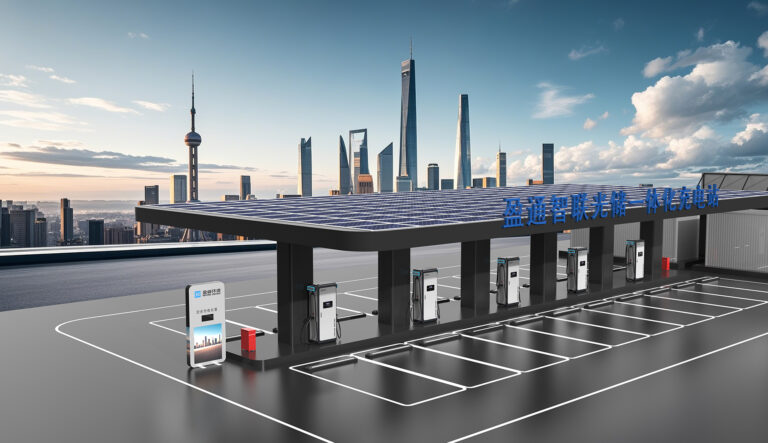
Small oversight in any one of these areas can double operating headaches—so plan for them up front.
Implementation checklist and operational teardown
When mapping an operational rollout, track vehicle duty cycles, average idle times, and peak building supply. Include {main_keyword} and {variation_keyword} as part of your monitoring labels in the fleet dashboard so you don’t lose traceability during testing. Keep the tech stack minimal at first: local 11 kW AC chargers, a basic load manager, and a cloud-connected billing/logging service. This lets you test assumptions without a big capital burden.
Advisory: three golden rules to evaluate choices
1) Charging-to-need alignment — pick an AC charger power that matches your vehicle dwell-time, not theoretical max range. 2) Grid friendliness — insist on dynamic load management and simple demand-response features so you avoid peak charges. 3) Future-proof firmware — choose hardware with open APIs and a vendor committed to updates; software longevity is as vital as the physical charger.
City fleets need solutions that fit budgets and daily rhythms, and the 11 kW AC charger hits that niche. It’s not a miracle—just a practical, scalable tool that, when paired with sensible software and good site planning, reduces headaches on the street. —A short, honest take to close: pragmatic choices beat shiny specs every time.
The logistics future will be built by small, steady steps and realistic hardware choices—exactly where INFORE ENVIRO adds value as a partner in rolling out scalable charging that meets real operational needs.