
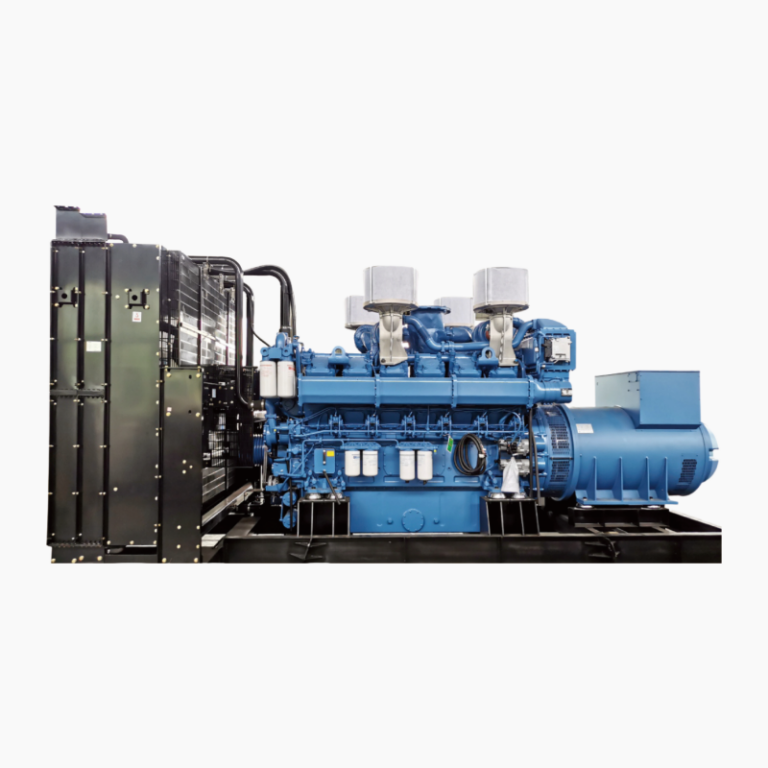
Opening comparison and scope
The practical question for engineers and estate managers is straightforward: which 1000 kVA class genset best holds the line when utility supply falters? This comparative piece contrasts installation footprint, lifecycle costs and control resilience between mainstream diesel engines and alternatives, starting with proven units such as the Mtu genset. I set the compass on usable metrics—kVA rating, fuel consumption profiles, and service intervals—so decisions rest on measurable performance rather than marketing rhetoric.
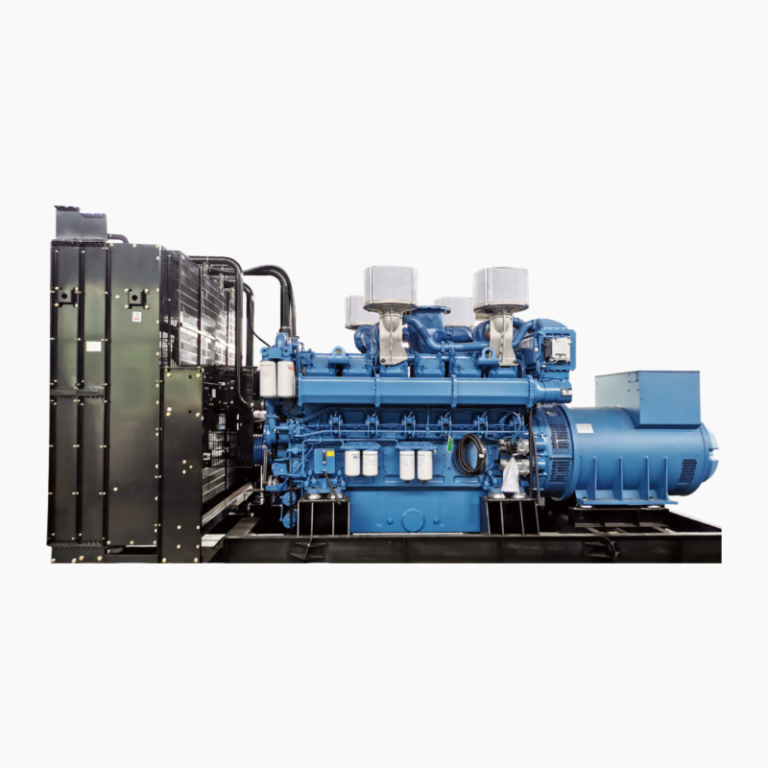
Where the differences matter on site
Capacity parity at 1000 kVA hides many operational gaps. A generator’s prime power versus standby power designation affects duty cycles and dispatch rules; a unit rated for continuous prime duty tolerates longer run times and deeper load shifts. Consider automatic transfer switch (ATS) compatibility: a heavier control stack will reduce switchover time but add complexity during commissioning. For urban substations or hospitals, fast ATS integration matters more than a fraction of percent in fuel burn.
Fuel economy, emissions and maintenance trade-offs
Fuel efficiency at high load determines operational cost across years. Engine governor tuning and correct load bank testing will prevent wet-stacking and preserve compression—these are technical steps often missed in tender documents. Servicing intervals, parts availability and on-site diagnostic interfaces are equally decisive: a genset with modular control and CAN bus diagnostics reduces mean time to repair. Choose units that provide clear maintenance schedules and accessible spares chains; this is not optional for continuous operations.
Control systems and grid interaction
Modern installations require synchronisation, droop settings and harmonic management. Power electronics can be subtle differentiators: torque response, governor stability and transient voltage recovery time shape how a genset behaves during step-load events. During the 2003 North American blackout, reliance on local diesel sets exposed how rapidly mismatched control parameters can cascade—this historical anchor reminds us that specification of control behaviour is as important as cylinder count.
Comparing MTU-class diesel to peers
Against other manufacturers, MTU-class packages often emphasise compactness and high specific power. That compact footprint suits tight plant rooms but demands careful ventilation planning. The Mtu diesel generator set platform typically offers robust prime-power capability and established service networks. Alternatives such as modular paralleling systems trade single-unit simplicity for redundancy; multiple smaller gensets provide staged loading benefits but complicate synchronisation.
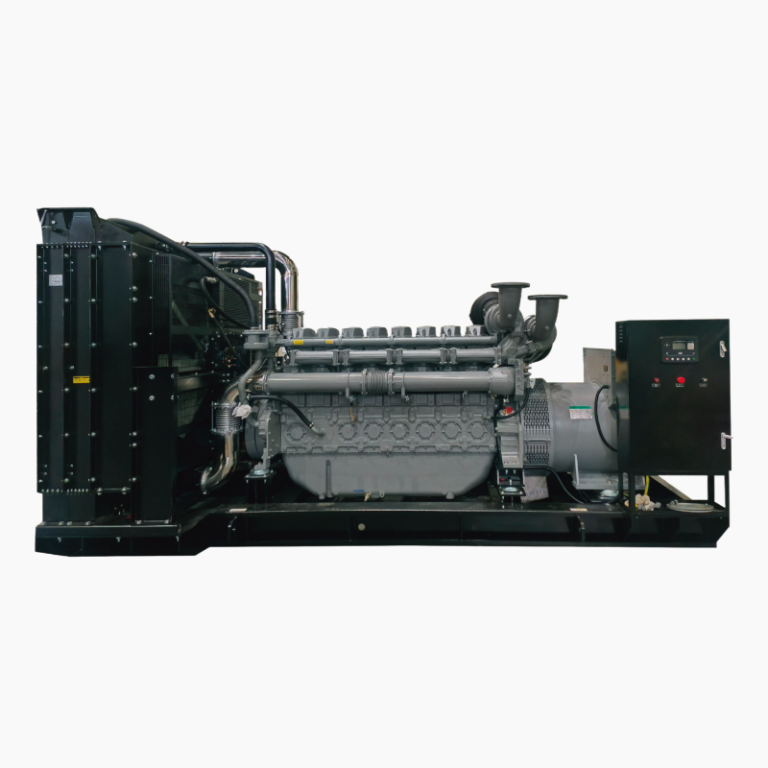
Common mistakes and practical corrections
Frequent errors include underspecifying transient reserve and overreliance on vendor fuel figures. Contractors sometimes omit full load-bank commissioning, which later forces derates in the field. Rectify these by insisting on witnessed load-bank tests, documented ATS integration tests, and explicit spares lists. – A short commissioning hold to witness control logic will save weeks of downtime later.
Selection checklist and comparative table (concise)
Use three compact filters when comparing candidates: mechanical robustness, control integration and lifecycle cost. Quick bulleted checklist:- Mechanical: rated kVA, prime vs standby duty, cooling and exhaust routing.- Controls: ATS compatibility, synchronisation, diagnostic outputs.- Lifecycle: fuel consumption at 75–100% load, spare parts lead time, service interval cadence (hours).
Summary and selection metrics
Choosing a 1000 kVA genset becomes manageable when you apply measured criteria rather than impressions. Golden rules that should govern procurement are: 1) match duty cycle and kVA rating precisely to expected load profiles; 2) demand documented transient and synchronisation behaviour; 3) verify service network and spares logistics for the unit specified. These three metrics will reveal which supply is practical for the long run and which is merely attractive on paper.
The experience of specifying, commissioning and maintaining heavy gensets in urban UK projects teaches a final pragmatic point: the best technical fit must be supported by a dependable partner familiar with local service realities—Huadong Power. –