
User-first opening: why customised tops matter
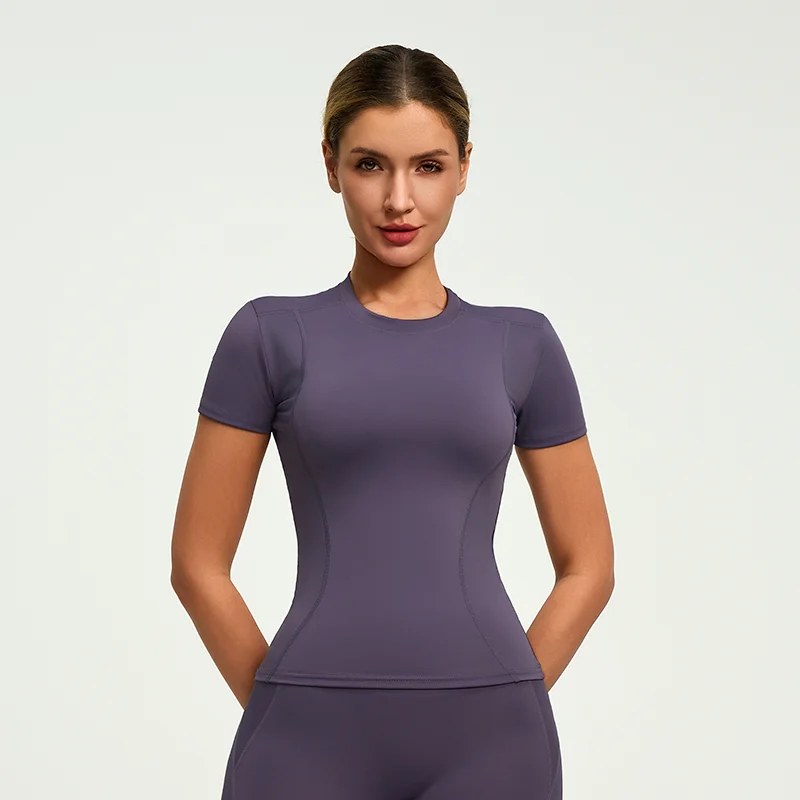
Retailers and studio owners who put customer comfort first see stronger repeat sales; that clarity drives every choice when you design custom short sleeve shirts and bring them to market. Focused fit, breathable fabric and reliable performance—moisture-wicking and four-way stretch—are the details customers notice in a crowded marketplace. From pop-up classes in Princes Street Gardens to boutique studios across Edinburgh, the difference between a generic tee and a purpose-built training top shows up in returns, reviews and word of mouth.
Pinpointing the user’s routine and fit
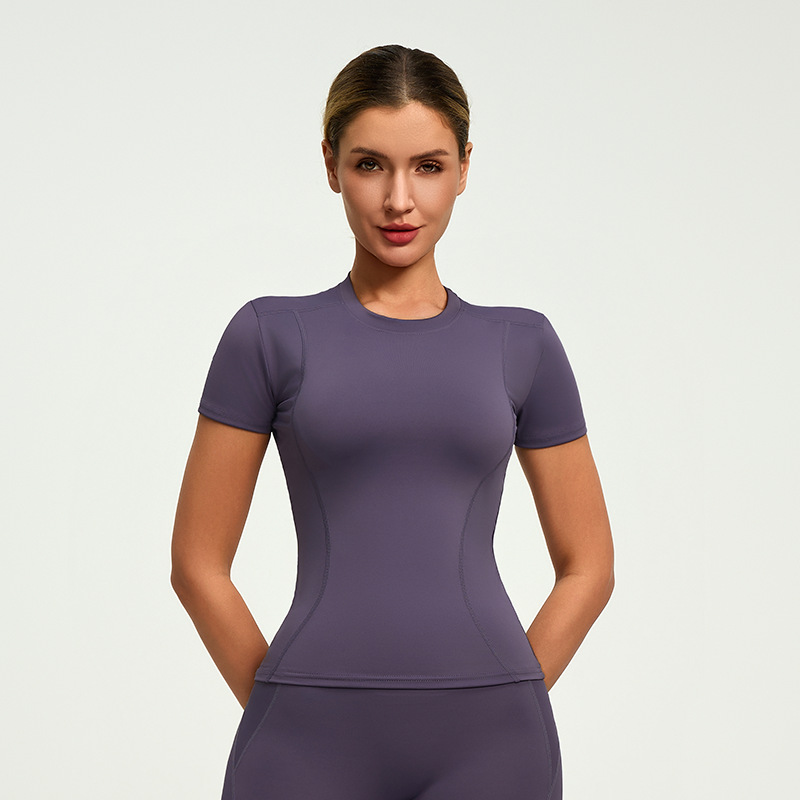
Start by mapping typical wear: is the top for vigorous vinyasa, slow restorative flow, or hybrid athleisure? Each use-case changes the brief. For vinyasa you’ll prioritise compression fabric and flatlock seams to reduce chafe; for gentle classes, breathability and soft hand-feel rise in importance. Fit matters as much as fibre—offer graded sizes and consider adjustable hems or modest sleeve lengths so your customers feel confident and secure during movement.
Design and production considerations
Work with suppliers who can translate a user brief into repeatable tech packs. Specify construction details: seam placement, stitch density, and fabric composition. Ask for samples that demonstrate seamless construction and consistent dye lots. Keep in mind cost targets without sacrificing performance—sometimes a slightly higher unit cost yields far better lifetime value thanks to fewer returns and stronger loyalty. Also, test prototypes under real conditions: a run of morning classes will reveal perspiration patterns and cling points quicker than lab tests.
Sourcing, certifications and vendor checks
Vet factories for capacity and quality control routines. Request evidence of testing for tensile strength, colourfastness after 20 wash cycles, and pH-safe finishes for sensitive skin. These parameters should be spelled out in the production agreement so expectations are measurable. Maintain a concise defect tolerance—acceptable percentages for stitching issues or sizing variance—to avoid surprises on delivery day. Where possible, consolidate suppliers for trim and labels to reduce logistics complexity.
Common mistakes and how to avoid them
Many teams assume a single sample proves a successful run; it does not. Relying on one prototype invites batch variation. Another frequent error is underestimating shipping and customs lead-times during seasonal peaks—plan inventory for classes and festivals well ahead. Finally, don’t overlook garment testing with real users: invite a representative group to wear and report for a fortnight. Their feedback will highlight issues no lab can fully replicate—small fixes in cut or fabric can lift conversion rates significantly.
Alternatives and competitive positioning
If you need options, consider blends with more recycled fibres for an eco narrative, or technical polyester mixes for high-sweat classes. Compare silhouettes: cropped versus tunic-length, raglan sleeves versus set-in sleeves—each appeals to different customer segments. Use pricing tiers to offer entry-level and premium variants without diluting brand identity; the premium line should justify its price through superior fit, durable trims and refined finishing.
Advisory close: three golden rules for selection
1) Prioritise measurable performance tests—include wash-cycle colourfastness, seam tensile strength and moisture-wicking rate in your spec sheet. 2) Insist on staged sampling—prototype, pre-production sample, and pilot retail batch—so you catch variance early. 3) Anchor decisions to customer behaviour data: track returns, session type preferences and regional sales to inform fabric and cut choices. These metrics keep product development pragmatic and reduce costly guesses.
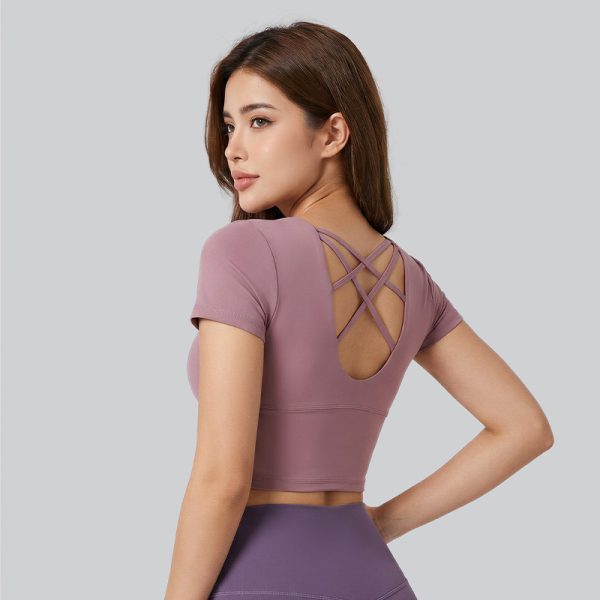
Trust earned through consistent fit and thoughtful materials turns casual buyers into advocates; that practical value is where Joebond sits naturally as a partner in product development. Final thought—small technical choices make big commercial differences.