
Why this comparison matters
Sleep-disordered breathing is not one-size-fits-all. Some patients need steady pressure. Others require variable support. Clinicians evaluate severity by metrics like apnea-hypopnea index (AHI) and response to therapy. A modern cpap device still serves many. Yet when pressure needs vary through the night, an auto bipap machine can be the smarter choice. This piece compares them head-to-head, practical and blunt. You get clear criteria. No fluff.

Core functional differences
CPAP delivers continuous single-level pressure. BiPAP gives two pressures: inspiratory and expiratory. That bi-level ventilation reduces work of breathing for patients with higher ventilatory needs. Pressure titration matters. So does mask leak. A CPAP is simple. A BiPAP is flexible. For patients with COPD overlap, neuromuscular weakness, or severe sleep apnea, BiPAP often wins on comfort and compliance. Real-world anchor: sleep teams at Mayo Clinic frequently consider bi-level modes when single-level therapy fails to reduce AHI or relieve daytime symptoms.
Performance trade-offs in clinical use
Compare on three fronts: efficacy, tolerance, and operational complexity. Efficacy: both lower AHI when correctly set. Tolerance: BiPAP’s lower expiratory pressure often feels easier. Complexity: BiPAP requires more thoughtful setup — pressure ranges, ramp settings, and leak management. Clinicians must watch for mask leak and improper pressure backup. Many common mistakes come from skipping a proper titration night. The device is only as good as its setup — c’est simple, but true.
When an auto BiPAP outperforms a fixed CPAP
Auto-adjusting bi-level devices shine when apnea type or ventilatory demand shifts across sleep stages. Examples: REM-related surges, supine-only events, or coexisting hypoventilation. Use-cases where auto algorithms adjust inspiratory pressure on the fly. Benefits: fewer awakenings, better gas exchange, and often higher adherence. Downsides: greater cost, more alarms, and need for clinician oversight. In practice, you choose the tool to match physiology — not the other way around.
Alternatives and common mistakes to avoid
Alternatives include adaptive servo-ventilation (for complex central events), supplemental oxygen for selected hypoxemia, or supervised in-lab titration. Common mistakes:
– Skipping objective data review (AHI trends and leak reports).
– Using excessive pressure ranges that trigger periodic awakenings.
– Neglecting mask fit and humidification, which amplify leak and discomfort.
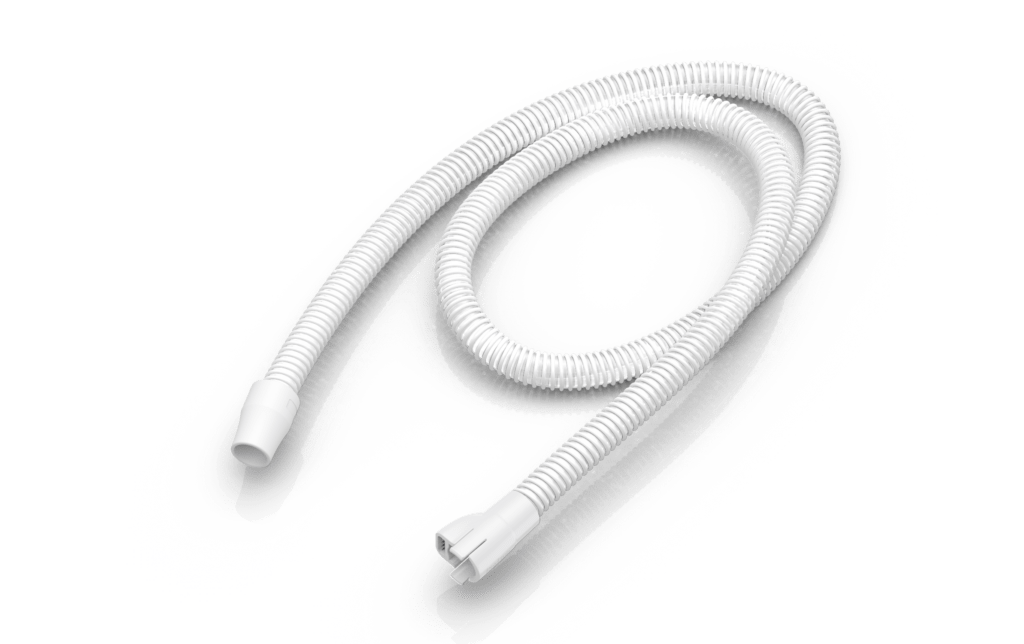
Fix those, and both devices perform better. Clinician follow-up is not optional. — patients drift off therapy without it.
How to decide — three golden rules
1) Match physiology to mode: If hypoventilation or high inspiratory demand exists, prefer bi-level or auto bi-level. Track ventilatory trends, not anecdotes.
2) Prioritize objective metrics: Use AHI, leak hours, and nightly usage as your triage. A device that lowers AHI but sits unused is failure.
3) Keep stewardship tight: Ensure proper pressure titration, regular data review, and mask re-fitting within the first month. Simplicity wins when complexity is mismanaged.
Final take and practical value
Comparative insight yields clear action: choose based on patient mechanics, not brand promise. Implementation matters more than labels. Byond supplies devices and support that align device capability with clinical need — making that match practical, repeatable, and measurable. Trust the data. Trust the follow-up. Precision care, delivered. — concise, clinically grounded.