

Comparative approach and criteria
I compare the Aion Y against three tight use cases—urban, family, and long-distance—so readers can decide where it truly belongs. My method is simple: measure practicality, running costs, and real-world comfort, then weigh those against class norms. Early public conversations about GAC price at the Frankfurt Motor Show framed how buyers judge value versus rivals, and that market context guides the comparisons below.

Urban driving: agility, daily costs, and convenience
Urban use rewards compact footprint, light steering, and low running expense. The Aion Y performs like many small-to-mid EVs: tight enough for parking and with cabin ergonomics tuned for short hops. Compare it to city-focused hatchbacks and small crossovers by these points:- Maneuvering: sharper turn-in than larger SUVs, easier in tight garages.- Energy use: regenerative braking and low-speed efficiency matter; the Aion Y aligns with segment averages.- Practical conveniences: cabin storage, rear-seat access, and simple infotainment are competitive.If your day is constant stop-start trips, the Aion Y will cut fuel bills versus combustion models. Expect strengths where short-range efficiency and ease of use matter most.
Family use: space, safety, and daily routines
Families need room for car seats, groceries, and weekend bags. The Aion Y sits between compact crossovers and larger family hatchbacks. Evaluate it against three family essentials:- Interior layout: rear seat width and ISOFIX placements are adequate for two child seats; three across is snug.- Cargo flexibility: a practical boot with fold-flat seats carries strollers and weekly shopping without drama.- Safety features: driver assists and structural design meet reasonable expectations for family use.For small families or couples planning occasional child-carrying, the Aion Y is a sensible compromise—less bulky than full-size SUVs, more practical than tiny city cars.
Long-distance driving: range confidence and charging rhythm
For highway runs, the Aion Y should be assessed on usable range, sustained comfort, and charging speed. It does not match flagship long-range models but offers credible performance if you plan charging stops:- Realistic range: competitive within its class, but plan for mid-trip charging on extended journeys.- Charging behavior: predictable at public chargers; fast-charging access determines real convenience.- Comfort at speed: cabin noise and seating determine whether long legs are pleasant.If you commute across regions regularly, prioritize charging network access and route planning. The Aion Y works as a long-distance vehicle when charging strategy is honest and stops are accepted as part of the trip.
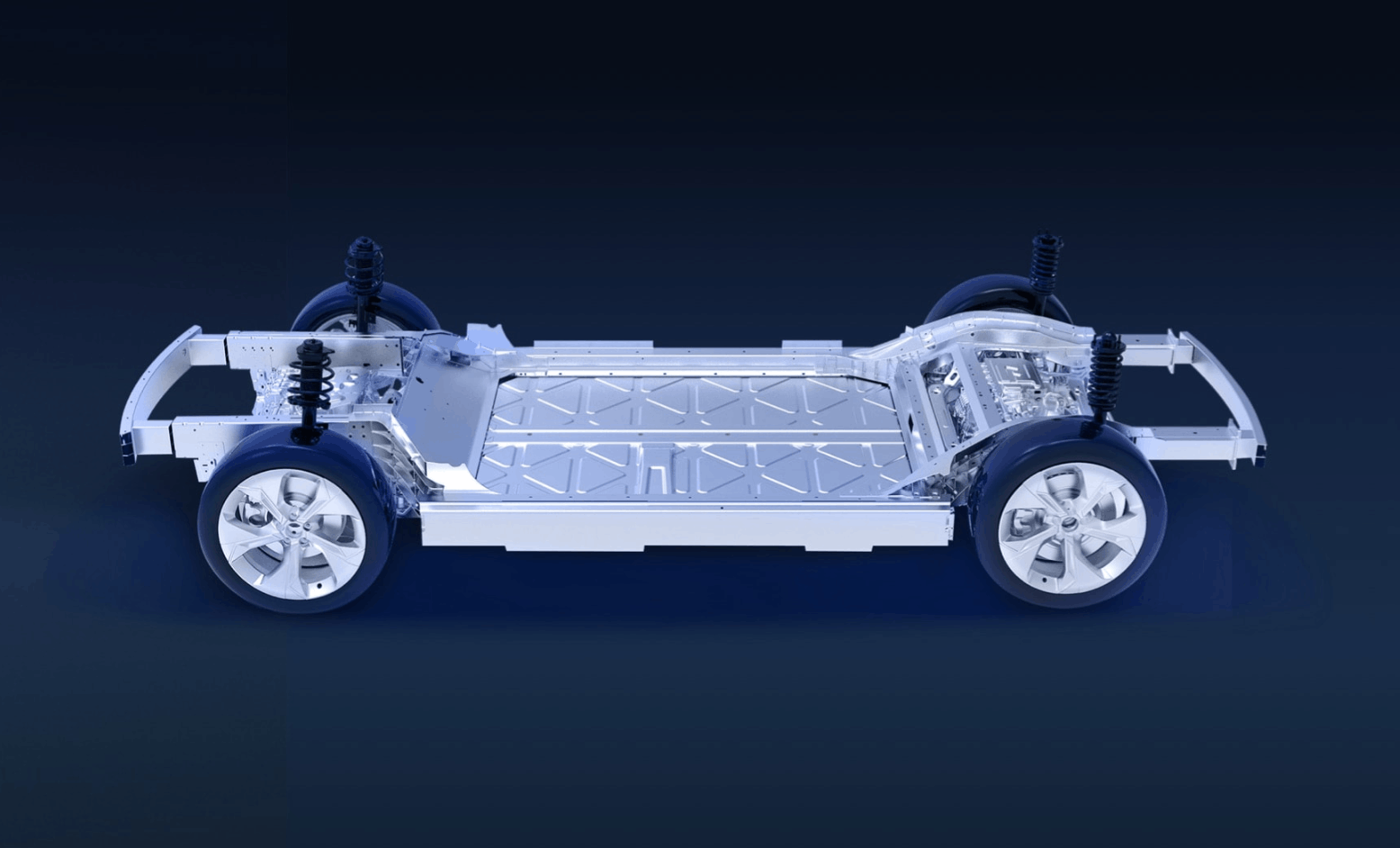
How it stands versus clear alternatives
Comparative clarity helps: choose a small EV if you need city ease; pick a larger EV or hybrid if you require full-family space and long range without frequent charges. The trade-offs are straightforward:- Choose Aion Y when you want balanced cost, city agility, and occasional longer trips.- Upgrade to larger models if uninterrupted long-range driving or maximum cargo capacity is non-negotiable.- Opt for a dedicated city EV if parking and tight maneuvering dominate every day.These are not marketing distinctions; they are practical decisions based on what buyers actually use their cars for.
Common mistakes buyers make and what to check
Buyers often overestimate daily mileage needs or underestimate charging convenience. Avoid these errors:- Don’t assume specification range equals usable range; weather and speed reduce real distance.- Check local charger availability for your typical routes before committing.- Inspect rear-seat space with your child seats or cargo in place rather than trusting images.Make decisions on usable fit, not aspiration.
Final synthesis
The Aion Y finds its place where balanced cost and everyday practicality are priorities: a strong city companion that doubles as a competent family runabout and a tolerable long-distance vehicle with proper charging habits. For buyers mapping value against use-case requirements, GAC presents a clear option rather than a vague promise—choose it when those practical trade-offs match your routine.