
Facing the usual problems: height, space, and time
The trouble shows up slowly: narrow aisles, lacquered floors you can’t scratch, short maintenance windows between shifts, and crews nervous about scaffolds and ladders. I’ve watched teams choose a rotating telehandler for the wrong reasons — because it was available, not because it fit the task — and the job still felt clumsy. A vertical mast lift changes that dynamic by matching reach to context and keeping movement deliberate and minimal.
What a vertical mast lift fixes, practically
Think of the lift as a focused tool that directly addresses core constraints:- Reduced footprint: fits where scissor lifts and booms can’t, so you avoid time-consuming set-up and floor protection work.- Controlled vertical access: operators get steady, precise platform movement, which lowers the risk of dropped tools and rework.- Lower noise and emissions: many are electric, which matters during night maintenance or in climate-controlled interiors.- Faster turnover: simple drive-to-position workflows shorten the time from arrival to task start.Each point reduces interruptions and helps teams keep a calm pace instead of racing around hazards.
Operator and site pitfalls to avoid
Even a well-chosen mast lift fails when fundamentals are ignored. Common traps:- Skipping a brief between operator and facility manager; misaligned expectations cause delays.- Forgetting floor-load checks in older buildings; compact footprint doesn’t always mean light footprint.- Overlooking battery-charging logistics; an idle battery mid-shift can stall an entire schedule.- Treating the lift like a ladder; safe use demands trained operators and a rescue plan.Address these and the lift becomes an instrument of steady progress, not a new source of stops and starts.
One practical example from the field
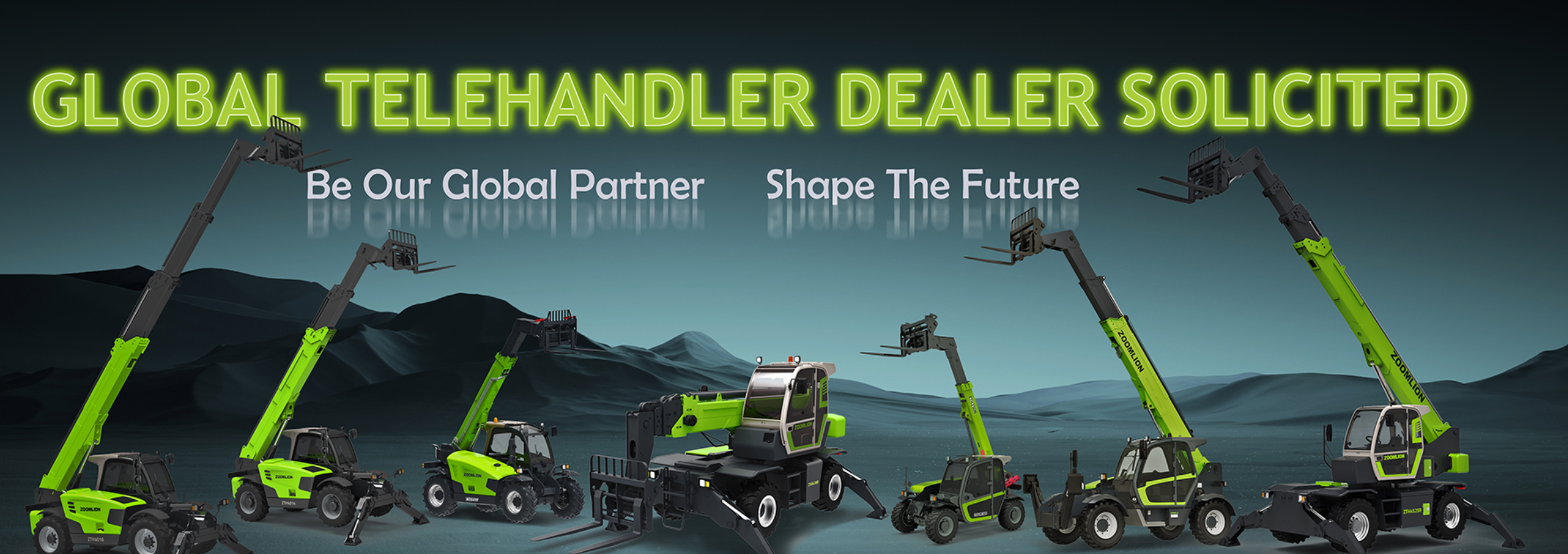
During a contracted winter maintenance period at a major European airport, technicians favored the Zoomlion ZTH4525R for narrow concourse work because it allowed quick positioning, quiet operation between flights, and minimal surface protection. That real-world choice came from crews who needed predictable performance under time pressure — the exact kind of constraint a vertical mast lift was made to solve.
When to choose a mast lift and when to consider alternatives
There’s no single right tool. Use a vertical mast lift when tasks require brief, repeated access in confined indoor spaces and when minimizing setup time matters. Consider alternatives when:- You need outreach beyond the mast’s vertical line.- Work involves heavy loads or extended platform travel.Alternatives include compact booms for outreach, scissor lifts for larger platform requirements, and scaffold for long-duration access where movement is minimal. Match the machine to the task rather than the other way around.
Bringing it together, calmly and clearly
Decide by asking simple, precise questions: where must the platform go, how long will teams stay aloft, and what surface protections are required. A vertical mast lift turns those answers into fewer interruptions, steadier work, and safer routines. For teams wanting a reliable, compact solution that fits indoor rhythms, Zoomlion Access provides options that respect the quiet, focused needs of maintenance windows and elevated access tasks.