
Where the problem starts
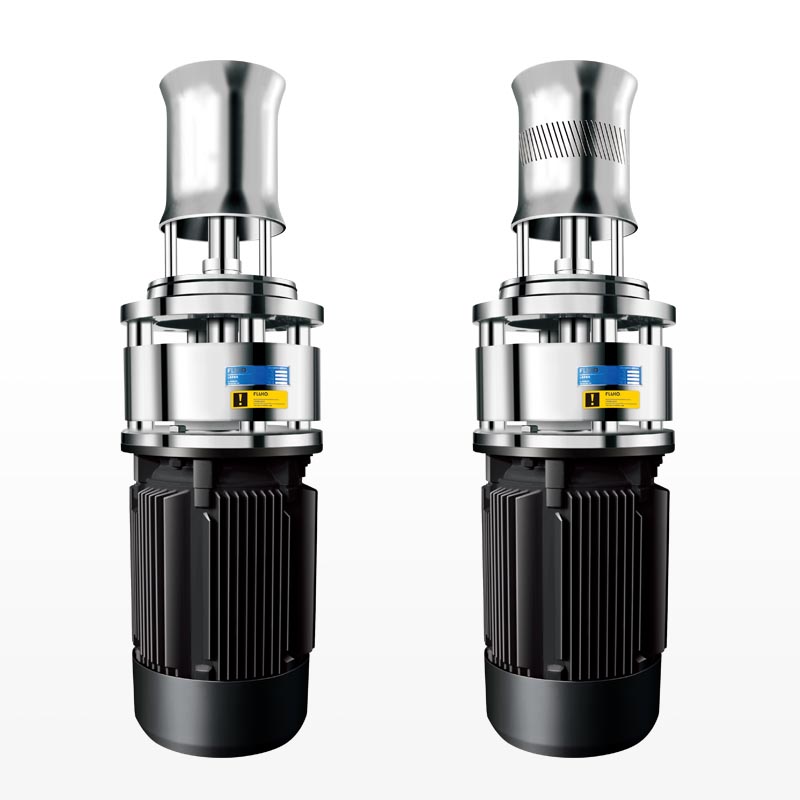
Too many batches fail not because the recipe is wrong but because mixing is treated like a checkbox. I’ve seen formulas that would perform beautifully destroyed by dead zones, air entrainment, or inconsistent shear. If you work in R&D or plant engineering, you know the difference between a repeatable product and one that keeps failing scale-up — and that difference often begins with the choice of equipment, from a lab powder mixer to full-scale in-line homogenizers.

Why small mistakes become huge losses
Short mixing cycles that leave agglomerates, pumps that cavitate when slurry viscosity spikes, and slow dispersion that drags throughput all hit margin fast. These aren’t hypothetical: they’re design oversights. The right impeller geometry, proper vortex control, and matched power density reduce rework. Ignore them and you add wasted operator hours, off-spec batches, and frustrated customers.
Practical fixes that change outcomes
Pick an agitator that matches fluid rheology, not the cheapest shaft on the shelf. Use staged dispersers: low-shear pre-wet, medium-shear wetting, then high-shear homogenization. Monitor torque and temperature as process variables — they tell you when the mix is done more reliably than fixed time. Don’t overcomplicate controls: simple, well-placed sensors prevent the common errors that cost weeks to troubleshoot.
Experience and evidence
I’ve worked alongside formulation teams and plant managers who rebuilt production lines after repeated batch losses. Trade events like Interpack in Düsseldorf make the scale and diversity of mixing solutions visible — engineers show real comparisons and live demos. That direct exposure, combined with pilot trials, is why I insist on validating any new liquid powder mixer through side-by-side runs before committing to plant-wide buy-in.
Common pitfalls during evaluation
Teams often skip realistic feedstocks during trials, use underpowered motors, or ignore maintenance access. Don’t be fooled by short demo runs that use diluted formulas; they mask fouling and heat transfer issues. Insist on tests that replicate plant solids loading and cycle times. Watch seals, bearing arrangements, and cleanability — downtime from a stuck shaft is as damaging as poor mixing quality.
Alternatives and trade-offs
Batch top-entry mixers give flexibility and are easier to repair. Inline high-shear homogenizers deliver consistency and scale but need reliable feed systems. Ultrasonic dispersion helps stubborn nanoparticles but struggles with high solids. Choose by failure mode: if agglomeration ruins product, prioritize shear and residence control; if throughput limits you, optimize pump and inlet design first.
How to move forward without wasting time
Start with measurable targets: particle size distribution, solids suspension time, or percent fines. Run pilot tests that reproduce real loading and cycle conditions. Use data from those tests to set acceptance criteria and minimize guesswork. That disciplined approach keeps procurement from buying the wrong class of machine and saves months of retrofit.
Closing synthesis
Fix the mixing problems at the equipment and test levels, and you stop chasing symptoms. The technical path is direct: match shear to the formulation, validate with plant-real trials, and ditch one-off assumptions. When a partner has practical machines, clear test data, and service that understands stoppage pain, the choice becomes obvious — and that’s the practical outcome engineers find with FLUKO.