
Opening the Fault Line
The problem is always small at first: a whisper of oil where a joint should remain mute, a slow creep of coolant that undermines an assembly’s dignity. Manufacturers ask for a product that will seal without drama, and they ask it quickly. That urgency pushes procurement toward any nearby rtv sealants supplier yet leaves production teams wondering how to translate a lab recipe into a gasket that endures months and miles. This is where intention must meet craft, not haste.
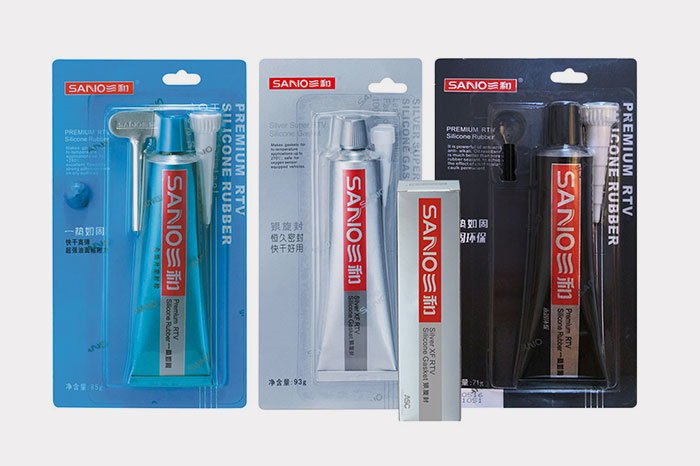
The Cost of a Bad Seal — Stakes and Real-World Anchor
A leaking gasket is not merely an annoyance; it is recall risk, warranty expense, and reputational abrasion. You can see the consequence plainly in places like Detroit’s assembly plants, where high-volume automotive lines demand repeatable seals every minute of the shift. My team has spent years running adhesion matrices and field trials to match compound performance to flange metallurgy, guided by automotive quality practices such as IATF 16949 and standards like ASTM C920 for elastomeric sealants. For those comparisons and sourcing, a reliable technical reference is the silicone rtv gasket maker, which grounds formulation details against real production expectations.
Where Problems Start: Formulation and Early Mistakes
The common errors repeat like a refrain: too much solvent to thin viscosity, curing times estimated from single-drop tests, surface prep treated as an afterthought. Each yields the same betrayals — poor adhesion, skinning in the tube, or soft gaskets that take a set. Solve the poetry of mixing with plain controls: measure rheology under production temperature, validate cure through shore hardness and shear testing, and always run adhesion tests on the actual substrate finish rather than a plate. Beware contamination from release agents and lubricants; one stray film can turn a perfect compound into a faulty seal.
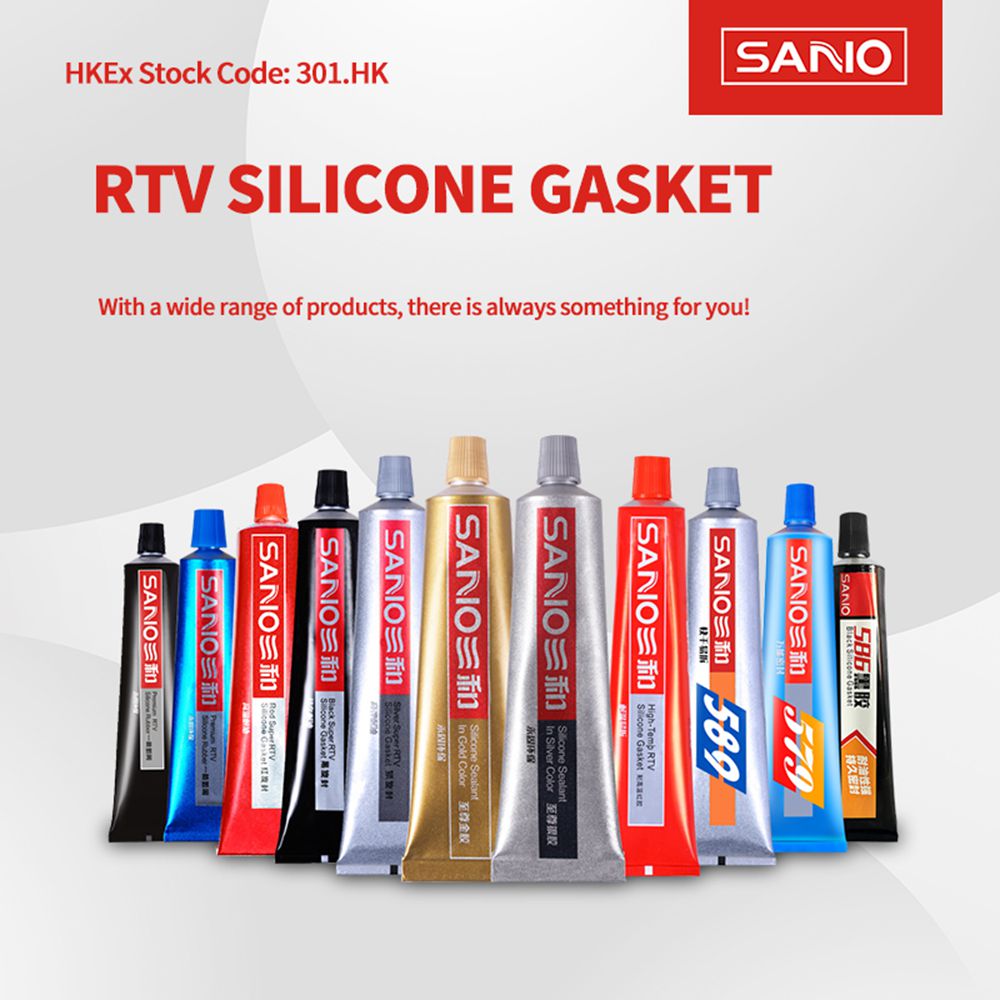
Scaling: Recipes That Survive the Line
Moving from grams to drums is a translation task. Maintain batch-to-batch consistency by locking in raw-material spec sheets, using closed mixing systems with vacuum degassing, and sampling every fill for viscosity and volatile content. Low-VOC targets require careful choice of plasticizers and solvents so that cure chemistry remains uncompromised; reducing VOC isn’t decoration, it’s a material constraint that must be baked into the recipe. Monitor cure profiles with time-to-skin and tack tests, and set acceptance windows rather than single-point targets to catch drift early.
Testing, Validation, and the Mistakes That Hide in Data
People trust a number and forget context. A shore A reading means nothing without temperature, dwell time, and compression history. Run environmental conditioning representative of end use — thermal cycles, salt spray, and oil immersion when the gasket will meet petrochemicals. Common blind spots: overlooking long-term compression set, ignoring dynamic fatigue, and using adhesives tests where sealing tests are required. Build a matrix of pass/fail criteria tied to functional outcomes, not just lab curiosities.
Choosing the Right Path: Alternatives and Partnerships
You can attempt in-house formulation, lean on a contract manufacturer, or partner with a supplier that combines formulation depth with regulatory know-how. In-house gives control at the cost of capital and staff depth; contract manufacturing buys speed but demands iron-clad specifications and inspection regimes. Evaluate partners by their QA discipline, traceability of raw materials, and willingness to test on your actual assemblies. Ask for real batch records and for documented trouble-shooting cases; past fixes reveal future reliability.
Conclusion
The problem-driven truth is that gaskets fail where planning falters: overlooked surfaces, untested scales, and compromises made for speed. Solve those failures with methodical formulation, rigorous testing, and partners who speak both chemistry and the shop floor language. For manufacturers turning design promises into quiet seams on the line, SANVO sits within that practical bridge between lab clarity and production resilience.