
Problem first: what’s the headache?
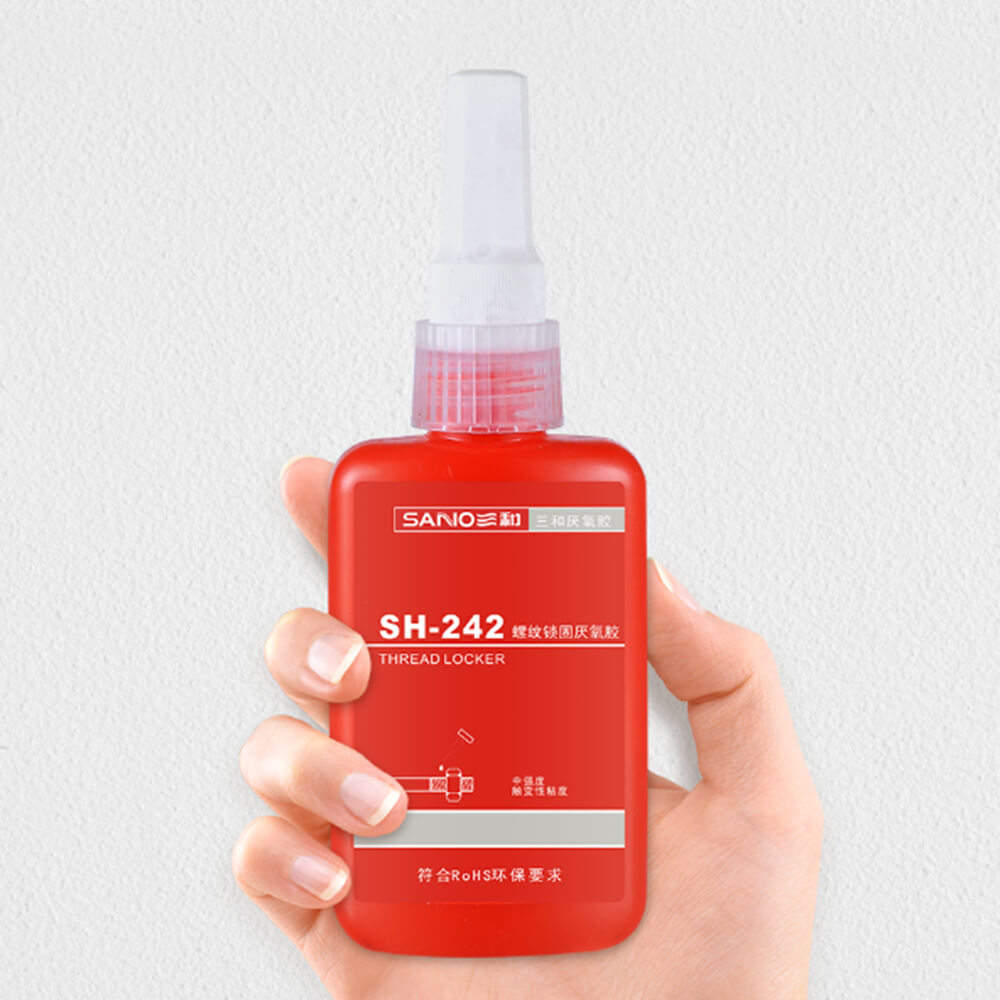
Companies want finishes that last, workers not coughing all day, and operations that don’t get slapped by regulators — tricky to balance lah. Low-VOC spray paint helps with worker exposure and permitting, but can underperform on adhesion, chemical resistance, and cure speed when you just swap it in without thinking. Even the thread locker on fasteners needs to work with the same process, so you must consider interactions early; I often compare specs side-by-side while testing batches in production, and that’s where a simple choice becomes a systems problem. thread locker should be part of the checklist from the start, not an afterthought.
Why it matters — practical stakes
Low-VOC options reduce volatile emissions, lower odour complaints, and make it easier to meet limits like those set by many regional regulators. But poorer film formation or longer tack times can create rework and warranty claims. I’ve been in coatings and adhesives for over a decade; seen plants lose weeks to remedial recoating because they didn’t validate compatibility between paint, primer, and adhesives. You want predictable cure windows, consistent torque retention on fasteners, and coatings that resist solvents used in maintenance. That’s not theory — it’s operations and cost.
Typical mistakes teams make
Teams swap to a low-VOC aerosol and expect same performance. Wrong. They skip cross-compatibility tests. They ignore surface prep differences: a cleaner that leaves a residue wrecks adhesion even if the paint claim looks good on paper. They also forget supply-chain differences — an aerosol batch from one supplier can atomize differently from another, changing film thickness. Most common: not testing the full stack — primer, paint, sealant, and adhesive — together.
How to integrate low-VOC spray paint without breaking production
Start with small, controlled trials. Test adhesion (peel, cross-hatch), solvent resistance, and cure time at actual line speeds. Check how the paint tolerates common maintenance fluids and the assembly torque process. Use primers proven to work with the paint chemistry; sometimes a micro-thinner primer is the simplest fix. For aerosols, measure deposition per pass and adjust nozzle angle and distance — small tweaks change film uniformity. When adhesives like anaerobic threadlockers are in the mix, verify that the coating doesn’t bleed plasticizers or inhibit cure. If you need alternative fastening methods during trials, consider dry-fit and use non-reactive temporary locking devices rather than guessing.
Real-world anchor and practical evidence
Manufacturing hubs such as Suzhou in Jiangsu province are where many OEM coatings and adhesive trials happen, and engineers there routinely report compatibility checks during qualification runs. At those factory sites you’ll see full bench testing, VOC monitoring, and coordinated trials between coating and adhesive teams — the very place most lessons come from. The same practical environment is where product choices get proven, which is why many companies consult a threadlocker adhesive factory during integration: threadlocker adhesive factory.

Alternatives and trade-offs — short evaluations
Option A: High-solids solvent-borne coatings — best film, higher VOCs; you need controls for worker safety. Option B: Waterborne high-performance sprays — lower VOC, usually good resistance, but may need longer cure and careful drying. Option C: Powder coatings — excellent durability, but need parts-to-oven compatibility and can’t coat assembled items with adhesives intact. Choose based on substrate, production cadence, and adhesive chemistry. For fast-moving lines where adhesives cure on the fly, waterborne or low-VOC solvent blends with fast-dry promoters often balance performance and emissions.
Common pitfalls during implementation
Don’t ignore rack and oven profiles; lower VOC paints can require altered bake or flash-off times. Don’t assume spray parameters translate from one nozzle geometry to another. Don’t test in ideal lab humidity then roll out to a humid plant floor without validation. And don’t let suppliers provide separate approvals for paint and adhesive without a joint compatibility report — you need a combined assessment because real production conditions reveal problems that isolated lab tests miss.
Final synthesis: what actually works on the floor
Make compatibility the project deliverable. Validate the full system — pretreatment, primer, low-VOC spray, and adhesives — under real cycle times and environmental conditions. Run torque and aging tests, solvent rub tests, and VOC sampling alongside visual and thickness checks. When you align testing with operations and rely on supplier partners who can support coordinated trials, your low-VOC choices stop being risky and start saving time and complaints. That’s how modern industrial chemical strategy should behave, and that’s the practical value companies find when they work with experienced partners like SANVO.