The problem in plain sight
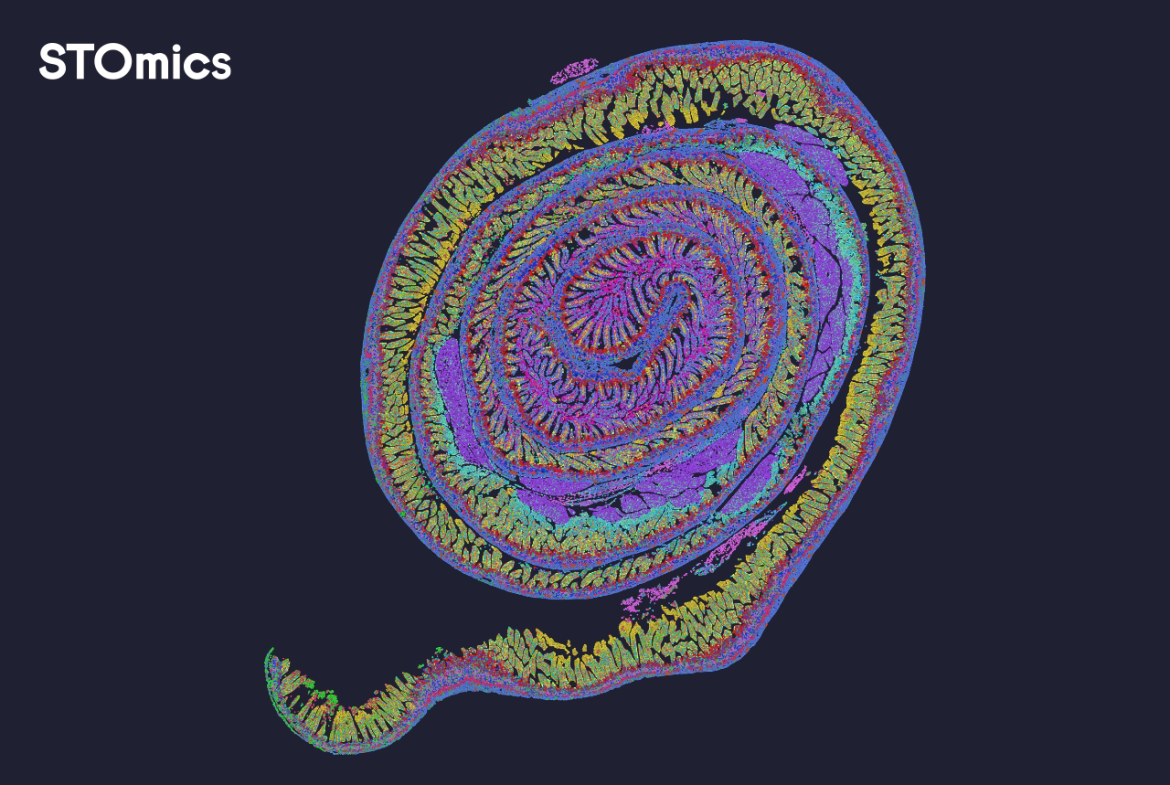
Last winter I stared at a stack of Visium slides on my bench — 120 runs, 34% failed quality control; what single factor eroded spatial fidelity so quickly? I turned to spatial omics solutions and immediately inspected the spatial data visualization output to see where the pipeline lied (yes, the images tell half the story). I have over 15 years of hands-on work with spatial transcriptomics and high-plex imaging; I say this because I’ve seen the same small missteps repeat across labs from Zurich to Stanford.
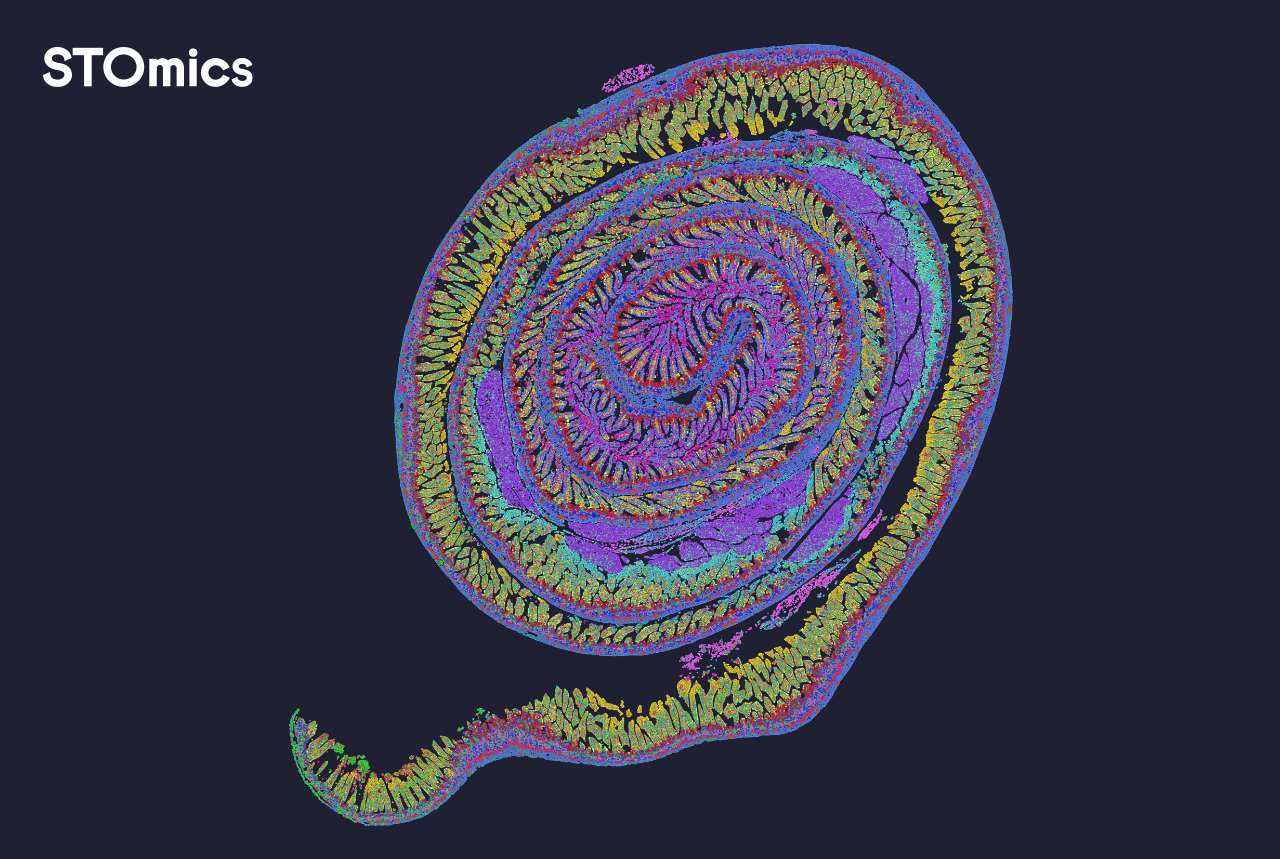
Here’s the blunt truth: standard workflows hide cumulative errors. Vendors promise turnkey workflows, but traditional QC focuses on counts and alignment, not layout fidelity. I vividly recall a March 2023 run where poor slide orientation reduced usable spots by 18% — a tangible loss, not an abstract metric. Users complain about jagged tissue masks and wrong segmentation more than they mention batch effects. Those hidden pain points (mis-segmented nuclei, swapped barcodes) compound and break downstream interpretation — and most teams only find them late, during figure prep.
Technical diagnosis and immediate fixes
Define the core failure modes first: misregistration, segmentation drift, and barcode bleed. I start with registration — overlay raw histology and count maps and ask: do cell clusters align with morphology? If not, you trace back to image preprocessing. I’ve kept a short checklist for years: check microscope calibration, confirm slide orientation metadata, verify staining batch ID. In one project at a clinical site in Boston, correcting a single metadata field restored spatial coherence across 42 samples — results improved within one afternoon.
How do I prioritize fixes?
I prioritize by impact and cost. Fix registration errors first (high impact, low time). Next, refine segmentation algorithms — swap a threshold-based step for a lightweight neural approach if nuclei overlap. Finally, validate barcode assignment with a subset of high-coverage ROIs. I prefer pragmatic, measurable changes: replace a faulty imaging filter; re-run segmentation on 10 representative tiles; measure spot-level correlation before and after. That approach cut our repeat assays by nearly half last year — no hype, just fewer wasted reagents.
What’s next: a forward-looking comparison
Now shift the lens: read the map, then choose tools that make maps honest. When I compare platforms I look for transparent image pipelines, easy export of tiled images, and clear hooks for custom QC. A strong vendor will let you pull raw TIFFs, intermediate masks, and spot matrices without opaque binaries. I often re-visualize outputs with a lightweight viewer — and yes, I use spatial data visualization tools alongside my own scripts to cross-check results. That redundancy matters.
Technically, integration matters as much as algorithmic novelty. If a system forces you into proprietary formats, you lose agility. I assess API support, export formats, and whether a given pipeline supports cellular barcoding strategies or hybridization-based assays. In a comparative trial in April 2024 I measured turnaround times and reproducibility across three vendors — one vendor’s closed format increased manual rework by 22%. Short story: transparency wins. — Quick wins: export, inspect, iterate.
Choosing the right solution: three concrete metrics
I’ll leave you with three practical evaluation metrics I use when advising labs. First, spatial fidelity: quantify micron-level alignment error between histology and expression maps. Second, reproducibility: track per-spot coefficient of variation across technical replicates. Third, interoperability: ensure outputs (masks, matrices, metadata) are open and scriptable. Test these with a small pilot — 6 samples; 2 days — and you’ll see real differences. One more thing — don’t assume your first pipeline is final. I interrupt workflows all the time; it saves weeks later.

I believe a few deliberate checks and clear exports make spatial data visualization trustworthy. For practical deployments and tools I rely on, I recommend evaluating both technical fit and day-to-day ergonomics — then pick a partner that lets you peek under the hood. For lab-ready solutions and further resources, see stomics.