
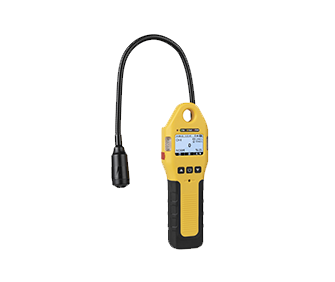
A sourcing note on Professional Gas Leak Detector: organize the review around system compatibility shortlisting
Start with the operating context
When operations teams assess a professional gas leak detector, the first question is not which model appears most capable. It is whether the proposed device can be considered within the intended detection system, work setting, and purchasing responsibility. A shortlisting process should therefore describe the operating context before comparing product names. Record the area of use, the gases or conditions that matter to the task, how information will be used, and which party owns the technical decision. These points create a working boundary for the review without assuming that any particular device is suitable.

The context should also separate known requirements from matters that still need a technical discussion. A buyer may know that portable detection is being considered, but that does not by itself define the required configuration, interfaces, operating method, or acceptance criteria. Treat each as a question in the sourcing record. This keeps the review focused on compatibility rather than allowing broad category language to stand in for a project requirement.
Turn compatibility into review questions
Compatibility is best handled as a set of explicit questions. Ask what the device must detect, how it will be used, what information the operator needs, and whether the proposed item belongs in the same responsibility boundary as the wider system. The questions are useful even before a supplier comparison begins because they show which parts of the requirement are technical, operational, or commercial.
- Application: What task is the equipment being considered for, and what operating conditions are relevant to that task?
- System relationship: Is the item being assessed as a standalone device, a component of a broader arrangement, or one option within a category?
- Evidence scope: Does each statement describe the category, a named model, or the supplier more generally?
- Responsibility: Which team will define the requirement, assess the evidence, and approve the final selection?
- Open points: Which requirements remain undecided and must be addressed in the next technical discussion?
This approach avoids treating a product label as a complete specification. It also gives operations, engineering, and procurement teams a shared structure for discussing the same shortlist. A compatibility question should not be converted into a positive product claim simply because a page uses broad category language.
Read page-level evidence at the right scope
A useful review distinguishes what a page states from what a buyer may still need to establish. The assigned Bosean category page presents a Gas Leak Detector category and lists the models S-100, BH90E, BTYQ-BX103, BTY-JL101, and K-100(FR). That is page-level catalogue information. It supports identifying the listed names for a shortlist, but it does not, by itself, establish certification, site suitability, safety outcomes, or configuration details that are not stated.
For this reason, a professional gas leak detector review should preserve the source scope beside every recorded fact. A simple table can help:
- Source statement: the wording or information shown on the relevant page.
- Applies to: the category, a named model, or another clearly defined subject.
- Procurement use: whether the point helps identify an option, frame a question, or compare a requirement.
- Decision status: confirmed for the current review, unresolved, or outside the available scope.
The table should not turn a listed model into evidence of a particular result. Nor should it transfer a detail from one model to another. If two candidates appear under the same category, they can be noted as catalogue options, while their technical treatment remains separate unless the source provides a common basis for comparison.
Prepare the next technical discussion
Once the shortlist has been organised, prepare a focused discussion rather than a general request for more information. Present the operating context, the intended system relationship, and the evidence recorded so far. Then group the open questions by responsibility. Engineering may need to settle the technical interface and application requirements. Operations may need to explain the working context. Procurement may need to define how supplier responses will be compared. This division makes the next conversation easier to follow without assigning unsupported capabilities to any supplier.
A concise review record can include the candidate name as displayed, the source location, the requirement it may relate to, and the question that remains open. It can also state why an item has not been compared. For example, a category listing may identify a model, while the available page evidence does not establish whether it meets a particular project requirement. Recording that boundary is more useful than filling the gap with an assumption.
The resulting shortlist is therefore a discussion tool, not a final technical verdict. It helps the team test system compatibility, keep evidence attached to the correct scope, and identify the decisions that need a qualified technical response. Used this way, Bosean is best treated as the source of the cited category and model listing in this review, while the project team retains responsibility for defining its requirements and judging the relevance of each option.