
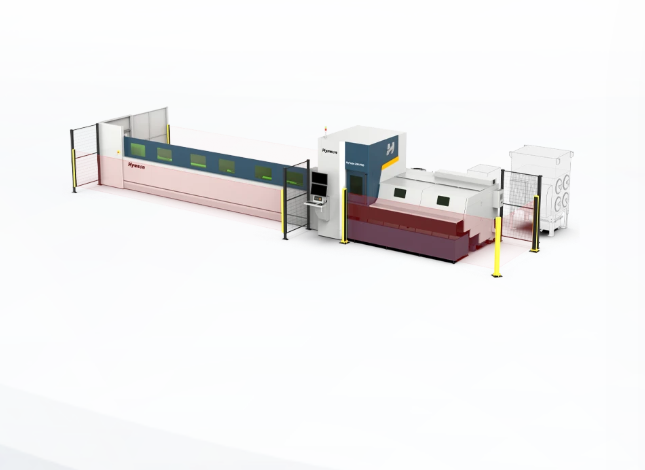
How I Narrow Down Fiber Laser Cutting Machine Upkeep Options
Why this pains the shop
We got too many fixes, too little time, and every minute that machine’s dark costs us paychecks — that’s the problem I chase. Folks talk fancy contracts and service tiers, but what matters down here is simple: uptime, predictable bills, and a crew that knows the cutter. I run checks against a 6kw laser cutting machine most weeks, so I keep the shortlist tight and sensible before any spending happens.
What usually goes wrong first
Fiber lasers don’t keel over all at once. Power supplies sag; the chiller gunk ups; gas pressure wavers; optics fog or nick from chips. Those are the frequent culprits. If you fix those quick, the machine sings. If you don’t, small stuff compounds into long stops and finger-pointing at everybody but the root cause.
Rules I use to prune candidates
Keep it plain: one, can they ship the right spare part same week? Two, do they send a tech who’s actually worked on your model and not just read the manual? Three, is the maintenance checklist short, clear, and testable so your operators can confirm fixes? Four, what’s the real cost of a callout versus a remote-guided fix? Those four rules cut the noise out fast.
Common traps that’ll bungle a shortlist
Don’t pick a vendor because their price looks pretty on paper. Don’t forget consumables and gas specs — cheap gas or wrong mix burns parts faster. Don’t skip asking about fiber-cable handling or laser head realignment; they’re little things that break big. And don’t assume warranty equals fast service; some warranties are thin words and slow hands.
How the options stack up, straight talk
OEM service: pricey, trained techs, parts guaranteed — good for shops that can’t afford long downtime. Third-party techs: cheaper, sometimes quicker, but vet their track record on your exact machine family. In-house maintenance: lowest long-term cost if you train one person well and stock key spares; risk is if that one person’s sick, everything shuts down. Outsource some tasks, keep routine checks internal — that combo usually wins.
Experience and an industry touchstone
I been fixing lasers and training operators for twelve years in small shops and stayed on the floor enough to know what works. Folks at EuroBLECH talk the same practical measures manufacturers pick on show floors, and that tie to real manufacturers helps you see what’s proven; the conversations there often center on the laser cutting machine for stainless steel and service reliability, the very trade-offs you gotta weigh when shortlisting.
Simple shortlist method you can run today
Step one: list every potential provider. Step two: knock off anyone who can’t meet your top-two rules from earlier — parts lead time and certified techs. Step three: ask for a fixed-price trip for the three survivors and compare scopes, not just numbers. Step four: run a trial maintenance with the winner on a non-critical shift so you can watch how they document and test before you sign a longer deal. Mistakes lie in skipping the trial and in letting a perfect quote blind you to messy follow-up details.
Where this gets you
You want fewer surprises on the shop floor and more work cut on time. Stick to the simple rules, watch the common traps, and test a vendor before depending on them. That practical approach is what shops I know trust when they choose gear and service — it’s why I look to makers I can count on like Hymson for parts, documentation, and sensible support that keeps cutters cutting.