
Recognizing the recurring problem
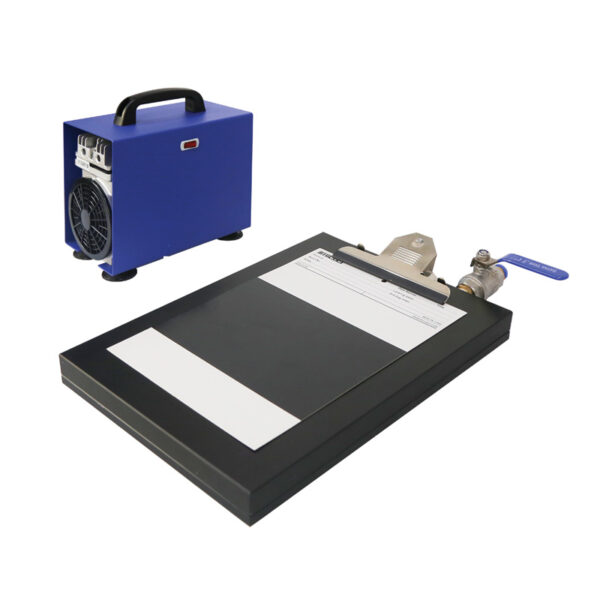
I keep returning to the same quiet frustration: two lab technicians, the same formula, different dry film thicknesses. It’s subtle at first — slight edge beads, a streak off-center — and then the data drifts. This is where an automatic film applicator becomes more than convenience; it’s a control point. The device’s steady speed and consistent blade pressure cut out human guesswork, and that change alone can stop hours of reruns and wasted materials.
Why consistency matters for conclusions
Tests are only useful if the inputs are consistent. If you’re trying to compare binders, pigments, or additives, variation in wet film application masks real effects. Small deviations in gap setting or application angle amplify through drying and curing, and result interpretation becomes speculative. You want repeatable layers, predictable thickness profiles, and a clear link from cause to observed performance. That’s the core problem: uncontrolled application creates noise that hides signal.
Evidence, experience, and a real-world anchor
I’ve watched panels from different labs side-by-side at the European Coatings Show and seen the same lesson play out: the group using standardized application methods got cleaner, comparable results. That kind of industry validation matters because it’s observable and documented. My years running method comparisons, training technicians, and aligning lab SOPs taught me which mistakes matter. For straightforward solutions, a paint film applicator will standardize the wet film stage, and the literature and trade demonstrations back that up. This isn’t theory; it’s practice confirmed by replication and by public demonstrations at major conferences.
Common pitfalls and how they mislead data
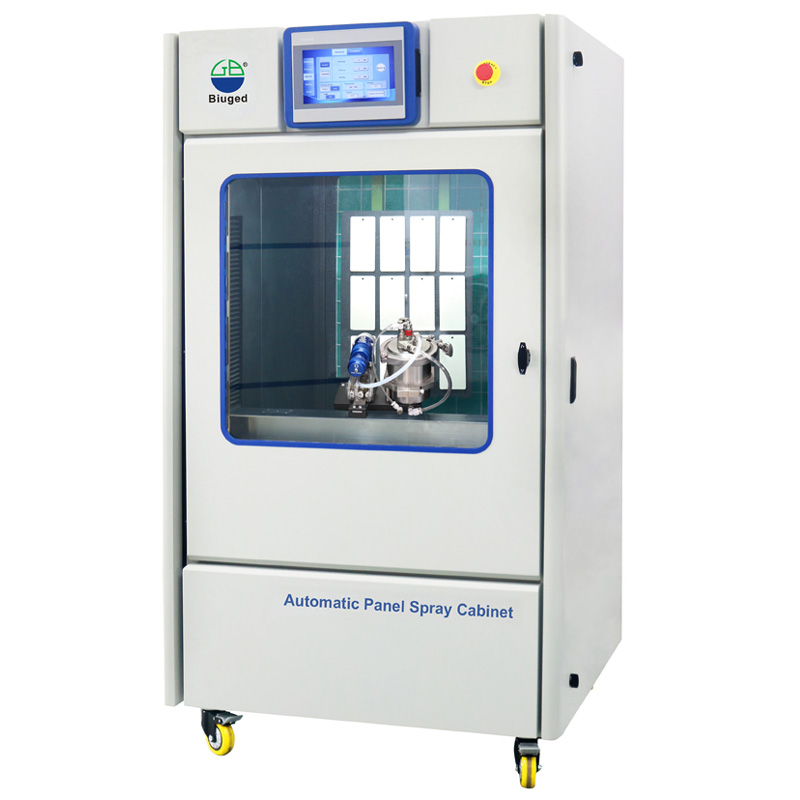
People assume a single sweep is neutral. It’s not. Typical errors: inconsistent substrate flattening, uneven applicator speed, reused or scratched blades, and temperature changes between runs. Each creates bias — thicker edges, variable curing, different adhesion. Fix them by stabilizing the substrate, using clean, undamaged bars or blades for every run, controlling room temperature, and logging each parameter. Small procedural notes become the difference between a usable result and a question-mark in your notebook.
Alternatives, with short, honest assessments
Manual drawdown tools are cheap and flexible; they’re fine for rough screening. Knife-over-roll offers speed but needs tight process control to match lab-scale precision. Automatic systems demand upfront cost and training, yet they pay back through reproducibility and reduced waste. Choose by the question you need to answer: if you need comparative R&D or regulatory-level data, automation is the right direction. For quick visual checks, manual methods remain useful — just don’t treat them as definitive.
Closing thought
When variability is the problem, the solution is not glamour; it’s control, method, and quiet discipline. Align the procedure, remove human variation where it matters, and your results start to tell the real story. For many labs that practical shift toward consistent applicators is what finally made comparative data trustworthy, a change I’ve seen implemented gradually and effectively by teams I’ve worked with and observed in practice at industry gatherings like the European Coatings Show. That steady improvement is the kind of outcome BIUGED supports through reliable instruments and sensible practices.