

The Score to Fix a Fractured Classroom: Choosing Personalized Learning Tech
The dissonance teachers hear
Students fall out of step for many reasons: missed foundations, uneven pacing, boredom. That mismatch creates constant retuning for teachers and wasted practice for learners. Some schools try to stitch fixes together—tutors, extra worksheets, software that promises miracle harmonies—but the result is often more noise than melody. That’s where an AI learning platform can enter the mix, not as a soloist but as a tool to map individual skill gaps and suggest pathways so instruction and practice align.
What personalization must actually solve
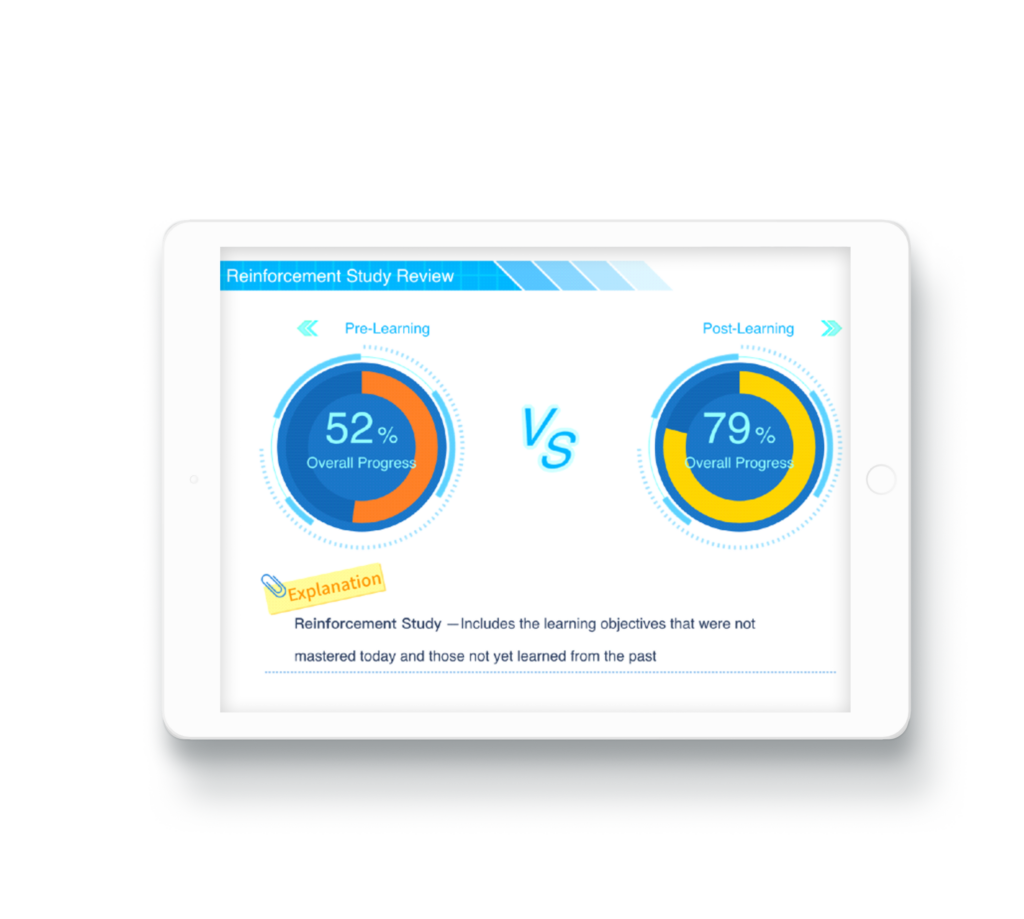
Personalized tech should do three concrete jobs: reveal what a student doesn’t know, adapt practice so they spend time on that gap, and hand teachers clear next actions. Look for capacity to pinpoint misconceptions at the concept level, adjust pacing per learner, and export summaries teachers can act on. Prefer systems that make their judgments visible rather than burying them behind dashboards.

Practical criteria you can test
Use short, observable checks. Does the system begin with diagnostics that feel probing rather than generic? Can you see why a student was routed to a particular exercise? Is there a way to nudge pacing or override recommendations? Check for content alignment with your standards and for easy exporting of student evidence. Confirm basic privacy safeguards and whether data can be extracted for your records.
Common mistakes teams make when deciding
Buying on buzz. Choosing glossy interfaces without vetting whether the pedagogy matches classroom needs. Expecting AI to replace teachers rather than support them. Overlooking onboarding time and assuming students will simply “log in and learn.” Neglecting evaluation: set short-term pilots with clear success signals, or you’ll be left with a product that looks good but doesn’t change day-to-day practice.
Alternatives and trade-offs
Full teacher-led differentiation keeps human judgment but demands more planning time. Rule-based platforms can be predictable and easier to audit, but they may miss subtle misconceptions. Machine-driven adaptivity often scales diagnostic depth but can feel opaque. Blend approaches: use adaptive tools to surface issues, then design teacher-led interventions for nuance and motivation.
A concise decision checklist
Ask these before committing: 1) Can you observe why the system recommended a path? 2) Will teachers receive actionable summaries, not raw logs? 3) Does content map to your learning objectives? 4) Is onboarding time realistic for your staff? 5) Can you export student data? Use binary answers where possible; ambiguity hides problems.
Final cadence
Resolve the core mismatch—students stuck on unseen gaps, teachers without targeted signals—by choosing tools that illuminate, not mystify. A platform that surfaces misconceptions, offers adjustable pacing, and hands teachers clear steps turns scattered notes into a playable score; that practical value is what you’re after with Squirrel Ai.