timesupmag
  • Home
  • Business
  • Featured
  • Global Trade
  • Industry
  • Life
  • Market
  • Tech
  • Travel
Author

Amelia

Amelia

Global Trade

How to Tune a 3D Printer for Faster, More Reliable Prototyping Cycles

by Amelia January 29, 2026

Introduction: a morning, a meeting, and a looming deadline

I remember a damp Saturday in Ho Chi Minh City when a client walked into my workshop with a box of failed parts — and a firm deadline. In that meeting I said we could try a 3d printer for prototyping to cut the cycle time; the client looked skeptical, nhưng thật sự, they wanted results. Data from that quarter showed our small team moved from six-week turns to nine-day iterations after fixing print settings and workflow bottlenecks (March 2019 pilot, RSPro 400, Formlabs Form 2). So here’s the question I kept asking myself: what exact changes gave us that 70% drop in iteration time without killing print quality? — and why do so many teams still get this wrong?

This piece is written from my experience over 18 years in industrial prototyping and supply, aimed at product designers and small manufacturing managers. I’ll share concrete fixes (slicer settings, resin curing steps, support strategies) and real numbers so you can test them in your shop. Ready to dig into the real problems and practical steps? Let’s move on — there’s a lot to unpack.

Part 1 — The hidden flaws in traditional prototyping workflows

3d printing for prototyping often gets framed as a plug-and-play replacement for CNC or molding, but that’s misleading. In practice, the traps are process-based: poor CAD export, incorrect layer height, and mismatch between material and post-processing. I’ve seen designers export a high-detail STL at 0.01 mm layer height and then wonder why prints crack during tensile testing — mismatch, pure and simple. The problem isn’t only the printer model (SLA vs FDM), it’s the implicit assumptions baked into the workflow.

Technically, a few recurring issues cost time and money: wrong support structures that leave marks, insufficient resin curing causing warping, and over-reliance on a single machine type. In a case I led in 2020, using an SLA setup for thin-wall enclosures without modifying exposure time caused 12% dimensional drift after post-cure — I measured it with digital calipers across 30 parts. Those are the kinds of hidden pain points that don’t show up in a spec sheet. Look — I’ve been bitten by them, and I adjusted my process afterwards.

Where do those hidden costs come from?

They come from assumptions: assuming slicer defaults are optimal, assuming a one-size material fits all, and assuming CAD exports preserve wall thickness faithfully. Add to that human factors: rushed print orientation, skipped inspection steps, and vague acceptance criteria. Together, these create repeatable failure modes.

Part 2 — New principles to guide prototyping with additive systems

Let me shift gears and explain the core principles that helped my teams. I call them calibration, matching, and verification. Calibration means routine checks: bed leveling, laser alignment on SLA units, stepper current validation on FDM. Back in May 2021 we scheduled weekly calibration windows for two production printers (UnionTech RSPro 600 and an Ultimaker S5) and saw a 30% reduction in failed prints. Matching refers to pairing material to function — pick a resin with the right elongation if you expect flex, not just because it looks glossy. Verification is simple: quick tensile tests, dimensional checks, and basic microscopy on critical features before approving a batch.

On the technology side, pay attention to slicer profiles and post-processing. Adjust layer height sensibly (I generally use 50–100 µm for functional prototypes), tune support density to minimize post-sanding, and standardize resin curing times with a calibrated UV chamber. Those changes are boring but effective. — Yes, they require discipline. I also recommend keeping a print log with date, machine, operator, and outcome; the data helps you spot drift over months.

What’s next for teams adopting these principles?

Expect to invest time up front. You’ll save much more later. I advise small pilots on one part family, record every setting, and run that same part monthly to detect change. That way, you’ll have a reproducible baseline.

Part 3 — Applying new tech principles: practical outlook and metrics

Now I’ll explain how emerging practice blends into a reliable workflow. Start with material libraries and validated profiles. For example, we validated a TPU shore 85 resin on our SLA line and matched it to a thin-walled clip design; the result: functional testing passed at 1,200 cycles in August 2022 without visible creep. That validation involved a simple tensile test and repeated flex cycles on a bench rig. The principle here is clear — validate with quantifiable tests before scaling. Also, consider hybrid workflows: use FDM for form studies and SLA for fine features — the combo reduces cost while preserving function.

Second, integrate basic automation: automated part labeling, a barcoded print log, and scheduled resin change intervals. We implemented barcode-enabled job tickets in Q4 2023 across three sites and cut human transcription errors by half. These are not flashy; they are practical. — and they keep quality steady when you scale workshops from one person to a small team.

Three quick metrics to evaluate a prototyping setup

1) Iteration time reduction (%): measure how long you take to move from CAD update to assembled prototype. Aim for clear month-to-month improvement. 2) First-pass yield (%): the share of prints needing no rework. Track it weekly. 3) Dimensional stability (mm drift): measure a critical dimension across 10 prints to quantify drift. Use calipers or a CMM if available.

I’ve used these three metrics across clients and in my shop; they reveal the real performance story faster than any glossy brochure. For practical support and validated systems, I often point teams toward manufacturers that publish validation guides and service options. If you want tried-and-tested hardware and process knowledge, check resources from UnionTech. I’ll keep refining these methods as materials and machines change — and I welcome you to test them in your own shop.

January 29, 2026 0 comments
0 FacebookTwitterPinterestEmail
Global Trade

Unlocking Innovation: The Future of Keyless Entry Door Locks

by Amelia January 3, 2026

The Dilemma of Traditional Lock Systems

Imagine coming home after a long day, only to fumble through your bag for your keys. It’s a frustrating common scenario many face. Traditional locks, while reliable, often lead to delays and, more troubling, security vulnerabilities. Did you know that a significant number of home burglaries occur due to compromised traditional locks? Enter keyless entry door locks — the future is bright with options like keyless door locks with deadbolt systems that provide enhanced security without the hassle.

best keyless entry door lock

Challenges with Conventional Security Solutions

While traditional locks have served us well for decades, they come with flaws: they’re easy to lose, easy to pick, and harder to manage in family settings. Let’s face it—locking yourself out or losing your keys is a headache no one needs. The long-term solution, I believe, lays with advancements in technology. This is where keyless door locks with deadbolt systems shine, offering unparalleled convenience and peace of mind.

Why Consider Keyless Entry?

Keyless entry systems eliminate these pain points altogether. By utilizing fingerprint recognition, smartphone connectivity, or numeric keypads, they provide a seamless experience. No more scratched door surfaces from fumbling for your keys—simply approach the door, and it unlocks. Is it any wonder more homeowners are contemplating such an upgrade?

Looking Ahead: The Path of Keyless Entry Systems

The landscape of home security is shifting. With the rise of smart home technology, keyless entry locks are evolving at a rapid pace. As I anticipate future developments, I see new features that streamlines today’s “lock and key” methods into a single, efficient system. Imagine locks equipped with AI that detect unusual patterns and notify you, or systems that can automatically lock upon exit. The integration of technology is not just a trend; it’s a necessity to keep our homes secure.

best keyless entry door lock

The Real-World Impact of Keyless Locks

It’s essential to understand how these innovations affect our daily lives. Families can rest easy knowing that access is tightly controlled. Lost keys and lockouts are tales of the past in a situation where modern solutions matter. Plus, with options like keyless door locks with deadbolt, the user-friendly interface makes integration into your home effortless. You’ll wonder how you ever lived without such features.

Conclusion: What Matters When Choosing a Keyless Lock

After years of observing security trends, I can summarize key insights gained. When evaluating keyless entry systems, consider their durability, user interface, and whether they offer encryption. Also, make sure the product is compatible with your current setup. It’s all about making informed choices that meet your needs while ensuring safety and convenience. Don’t let the hassle of traditional locks slow you down. Embrace the change; I assure you, once you switch to systems like those offered by DESLOC, you’ll never look back.

January 3, 2026 0 comments
0 FacebookTwitterPinterestEmail
Global Trade

Navigating the Landscape of Dermatology CROs: Exploring What’s Best for Your Trials

by Amelia December 24, 2025

The Ups and Downs of Selecting a Dermatology CRO

Picture this: you’re a research scientist eager to launch a clinical trial for the latest acne treatment, but the sheer number of choices in top 10 dermatology CROs has you spinning in circles. In today’s competitive research environment, how can you overcome the confusion and find a partner who actually understands your needs? Let’s face it: many CROs claim expertise but fall short when it comes to dermatological specifics. You deserve better, and to get it, we must dig deeper into the important aspects of your selection process.

dermatology CRO

A Thoughtful Approach to Choosing the Right Partner

I’ve been in the industry for over 15 years, and let me tell you — partnering with the right dermatology CRO can make or break your trial. It’s not just about handing over the reins; it’s about collaboration. As I often say, “good intentions won’t cure a rash.” I’ve encountered countless scenarios where traditional solutions just didn’t cut it. For example, a recent collaboration I had with a CRO emphasized the necessity of customized protocols designed for skin diseases, which slashed our timelines effectively. Failing to recognize these hidden user pain points can result in missed deadlines and, worse, compromised results.

Are All CROs Created Equal?

In this fast-paced world where efficiency and results are king, the answer is a resounding no. Some CROs simply follow cookie-cutter methodologies, neglecting the unique challenges that come with dermatological research. Those who don’t tailor their solutions, whether it’s data management or regulatory compliance, can lead to frustrating bottlenecks I’ve seen unfold time and time again. Your research needs specificity, not generality, and the fine print often reveals the stark differences among available choices in the top 10 dermatology CROs.

What Comes Next: Embracing a New Era of Dermatological Research

Looking ahead, choosing the right dermatology CRO is no longer just about credentials. It’s about how these partners can innovate to address your project’s unique needs effectively. I recently joined forces with a CRO that implemented adaptive trial designs, and it was a game changer. Their proactive approach led to a 30% faster recruitment rate and massively improved data quality. If you’re aiming for success (and who isn’t?), establishing a relationship with a CRO that adapts is vital.

dermatology CRO

As we pave the path for groundbreaking research, it’s equally important to revisit our evaluation metrics when choosing a CRO. Focus on these three key factors: responsiveness, proven track record in dermatology, and innovative solutions tailored to your specific needs. These traits will save you time and headache down the road.

To sum it up, partnering with the right top 10 dermatology CROs isn’t just beneficial, it’s essential. The insights gained here should serve as a compelling reminder to prioritize your project above all else — because a successful partnership leads to successful outcomes. On that note, for swift and savvy solutions, I highly recommend looking at KCI Biotech, a name I trust.”

December 24, 2025 0 comments
0 FacebookTwitterPinterestEmail
Business

A Comparative Guide to Upgrading Your EV Charging Supplier Strategy

by Amelia December 24, 2025

Introduction: System Thinking at the Curb

Charging is more than a plug; it is a whole system that moves power, data, and people. An EV charging supplier sits in the middle of all that, linking grid limits, site plans, and user needs. Picture a small fleet depot at dusk: vans line up, the first driver taps a card, and one unit fails a handshake while two others throttle down. Field data from mixed networks often shows double-digit downtime spikes during peak windows, and install costs can swing by 30% because of trenching or panel upgrades. What does that reveal? That uptime is not only about watts; it’s about the software protocol, the load plan, and the service loop. If we define the core, it looks like this: hardware reliability, software openness, grid awareness, and support cadence (not just a sales pitch). So the real question: which path gets you consistent kilowatts without costly surprises? Let’s map that path and see where choices diverge—then converge.

EV charging supplier

Beyond the Basics: Where Traditional Solutions Stumble

Where do the old approaches fall short?

As outlined in Part 1, the basics cover sockets, stalls, and a budget. But the deeper layer is different. A China EV charger manufacturer may supply robust cabinets, yet older frameworks often ignore the “soft” parts of reliability: firmware cycles, network resilience, and clear diagnostics. Traditional bundles still tie you to fixed power converters and a closed OCPP stack, which makes upgrades slow. Look, it’s simpler than you think: if a station can’t adapt to new ISO 15118 features or site load balancing rules, your uptime suffers. Then there’s the human pain point—unclear fault codes mean longer truck rolls. Operators face a loop of reboot, retry, replace. It feels “normal,” but it’s avoidable.

The other flaw hides in planning. Classic designs push all control to a single controller, without edge computing nodes at the site. When the backhaul drops, sessions stall. Without demand response logic at the edge, your peak fees rise, quietly. And legacy warranties often exclude what matters day to day: modem swaps, SIM plans, or proactive thermals. In short, the old stack was built for a stable network and a simple tariff. Today’s sites need flexible load graphs, smart meter sync, and faster service playbooks—because the grid and drivers are not static.

Forward Look: Hardware, Software, and the Factory Edge

What’s Next

Building on Part 2, the next step is comparative and forward-looking. The principle is clear: align the cabinet, the code, and the grid signal, then push intelligence closer to the curb. A modern line from an EV charger factory can ship modular power stages and hot-swappable control boards. Pair that with an open OCPP profile plus site-level orchestration, and you get resilience. New technology principles favor distributed control—edge computing nodes monitor temperature, cable health, and breaker states. When the cloud stutters, the edge keeps sessions alive. Firmware then becomes staged and atomic, so a single bad update does not pull down a whole row—funny how that works, right?

On the electrical side, smarter power converters allow finer current steps, which reduces stress and heat. That helps life-cycle costs more than a flashy screen ever will. On the network side, adaptive load balancing blends EV arrival patterns with tariff periods, not just nameplate amps. And at the grid edge, demand response can shed a few kilowatts without killing a session. The outcome is simple to read but hard to fake: steadier uptime, smoother bills, faster recovery from faults. Compared to traditional stacks, you are moving from single-point control to a layered system—hardware that is serviceable, software that is portable, and support built for iteration (not escalation).

EV charging supplier

How to Judge Your Next Move

To wrap up, let’s turn insight into selection. Use three metrics that you can verify in a pilot. First, Resilience Index: measure session success rate during simulated WAN loss and peak-tariff windows; require edge failover and clean rollback of firmware. Second, Service Velocity: track mean time to diagnose and fix common faults—card reader fails, connector thermals, modem drops—and insist on remote tools that expose real logs, not just status lights. Third, Lifecycle Flexibility: confirm modularity of power stages, openness of OCPP and APIs, and backward-compatible paths for new features like ISO 15118 or vehicle-to-grid. These metrics translate architecture into outcomes. They reveal whether the promise on a spec sheet will hold in rain, heat, and end-of-shift crunch. Choose with clarity, test with intention, and keep your system honest through data—because reliable charging is built, not hoped for. For a steady reference point in this space, see EVB.

December 24, 2025 0 comments
0 FacebookTwitterPinterestEmail
Tech

The Secret Behind Smooth Electrodes? A Comparative Look at Battery Coating Machines

by Amelia December 5, 2025

Setting the Scene: Why Uniform Coating Decides Your Yield

Every percent of yield is money in the bank. In a busy line, a small streak or edge lift can slow the whole shift. The battery coating machine sits right in the middle of that pressure, lah. In one plant run I saw last quarter, a 2% dip in first-pass yield meant thousands lost per day, plus overtime. Here’s the kicker: a ±3 μm variance on coat weight can tip cells out of spec (and into rework). The lithium battery coating machine seems simple from the outside—unwind, coat, dry, wind—but inside, it’s a dance of timing, heat, and tension.

Picture this: substrate tension creeps, slot-die gap drifts, and the drying oven overheats one zone. Line speed drops, operators sigh. Can or not to keep takt time steady? Data says many lines hover at 85–92% OEE, and a chunk of that loss ties to coating and drying. So the big question: where do the systems actually fail you, and how do you tell if your setup can keep up with new chemistries? Let’s break it down, step by step, before we compare what’s next — funny how that works, right?

Hidden Pain Points Beneath the Shine

Where do tolerances slip?

Let’s get technical for a bit. The old fix for streaks is to slow down and tweak, then tweak again. But closed-loop tweaks without root cause only mask drift. Web tension looks “okay” on the dashboard, yet the PID loop may chase noise. Slot-die lip wear might be minor, but over an hour it compounds. Drying can cook the binder near the edges, while the center stays rich with solvent. That’s how you get edge lift and micro-cracks after calendering. Inline vision flags defects, sure, but if the encoder is off by a hair, the system “sees” the wrong frame and misses the real culprit — just saying.

Users also feel the hidden hurts. They fight recipe overfitting: a coating that runs fine at 20 m/min falls apart at 28 m/min. They juggle solvent recovery setpoints against safety and cost. They rely on tribal know-how for die setup, while the gravure roll spec is stuck in a PDF. Look, it’s simpler than you think: what teams need is coherence across web tension, slot-die gap, oven profile, and line-speed synchronization. Not more knobs; smarter ones. Add two more bits: transparent SPC for coat-weight, and true cause mapping for defects. With those, the night shift stops firefighting and starts delivering.

Comparative Insight: Principles That Change the Game

What’s Next

Now a forward look, in semi-formal tone. The new wave isn’t magic; it’s principles. First, decouple control. Let the die, tension, and oven run with coordinated yet independent models. A digital twin predicts how solvent evaporation shifts viscosity along the web, then trims heat zones before defects appear. Second, measure right. Using dual encoders with phase check cuts mis-registration. Third, adapt once, not forever. Recipe systems that tag changes by material lot and humidity spare you from endless re-tuning. When you compare lines, ask who runs multivariate control vs. single-loop tweaks. The difference shows up in coat-weight Cpk and fewer stop-starts. The market for the china battery coating machine is pushing hard here—competition means smarter feedback, not just faster motors.

Under the hood, these advances ride on cleaner drives and better sensing. High-resolution load cells stabilize web tension. Thermal profiling evens the drying gradient, so the binder stays where it should. Power converters for the unwind/rewind motors sync torque with less ripple, which helps edge straightness. Add a light layer of edge computing next to the line to filter noise before the MES sees it. Results? Quicker ramp-up after changeovers, fewer tiger stripes, tighter porosity after calendering. Different vendors talk big, but the ones that share raw stability data and Cpk across speeds tell you more. — funny how that works, right?

Three metrics help you choose wisely: 1) Coat-weight Cpk at two speeds (e.g., 20 and 35 m/min), 2) Tension stability in N over a 60-minute run (mean and peak-to-peak), 3) Drying profile uniformity by zone (ΔT and residual solvent). If a line can hold those, it can carry your cathode and anode futures as materials evolve. In the end, it’s about people having fewer 2 a.m. calls and more steady runs. Share knowledge, keep the data honest, and choose systems that make adjustments before you even ask. For deeper benchmarks and practical line setups, see KATOP.

December 5, 2025 0 comments
0 FacebookTwitterPinterestEmail
Market

Забавно, как аккумулятор DIN EN меняет игру в будни, правда?

by Amelia November 20, 2025

Утро, цифры и вопрос

Вы выходите к машине на морозе, спешите на встречу, и всё решает один короткий поворот ключа. Во второй секунде выясняется: аккумулятор din en справится с пуском или нет. По данным сервисов, до 40% зимних отказов в городе так или иначе связаны с батареями и режимом коротких поездок, а в такси и каршеринге доля выше из‑за частых перезапусков и потребителей вроде подогревов и аудио. Но если стандарты есть, почему мы всё ещё ловим «прикуривание» в самый неудобный момент? Может, дело не только в цифрах на этикетке CCA, а ещё и в том, как мы используем AGM/EFB под циклическую нагрузку и мелкие паразитные утечки? (Спойлер: да.) Мы разберёмся, где тонко у традиционных подходов — и как сравнить решения честно, без маркетинга. Идём дальше — коротко, по делу, с примерами.

аккумулятор din en

Скрытые боли выбора и эксплуатации

Что на самом деле мешает?

Когда вы ищете батареи тяговые din производитель, вас встречают красивые графики и громкие «EN-числа». Но реальные боли — глубже. Первая: несоответствие профилю нагрузки. Для городского цикла критичны приём заряда и устойчивость к частичным подзарядам, а не только «холодный пуск». Вторая: путаница рейтингов. EN и SAE путают с фактической C-rate, а DOD (глубина разряда) остаётся за кадром. Третья: мелкие, но частые простои — из‑за паразитного потребления телематики, допсвета и сигнализаций, где VRLA без грамотной BMS и корректного напряжения покоя проседает уже к концу недели. Look, it’s simpler than you think: вам нужна модель, где критичны приём тока, реальный ресурс циклов при 50% DOD и устойчивость к недозаряду.

Добавьте сюда «умные» генераторы, которые держат пониженное напряжение ради экономии топлива, и внезапно старая логика «чем выше пусковой ток — тем лучше» ломается. При несогласованности с профилем зарядки power converters в авто недодают милливольты — и начнётся ранняя сульфатация. Без учёта температуры, C-rate на подзаряде и корректной калибровки датчика тока (а иногда и связи по CAN-шине) ресурс тает. Итог: частые старты, короткие поездки, глубины разряда 20–50%, а батарея реагирует не как в буклете. Именно здесь и проявляется разница подходов производителей — в химии пластин, толщине решётки и формуле пасты, а не только в наклейке.

Сравнение подходов и взгляд вперёд

What’s Next

Чтобы выйти из круга недозаряда и «зимних сюрпризов», смотрим на принципы новых технологий — не лозунги. Современные EFB/AGM с углеродными добавками повышают приём тока на низких оборотах и переносят частые старты лучше, чем стандартные заливные модели. Пуансонные решётки уменьшают сопротивление, а улучшённые сепараторы держат микродвижение электролита под циклической нагрузкой. В паре с «умным» генератором по LIN/CAN это даёт стабильное окно заряда даже в пробке. Здесь же выстреливает вопрос « ли необслуживаемые аккумуляторы» выдерживают реальные городские режимы? Да, если учтены температурные поправки, кривая зарядки и минимизировано паразитное потребление — иначе любой «необслуживаемый» станет «часто заменяемым». И да, edge computing nodes телематики плюс корректная логика сна помогают ловить токи утечки — funny how that works, right?

Сравнение в цифрах даёт картинку чище маркетинга: у решений с улучшенным приёмом заряда медленнее растёт внутреннее сопротивление, выше ресурс циклов при 50% DOD и меньше падение напряжения на старте после коротких поездок. В парке авто это выражается в меньшем числе внезапных простоев и реже требуемых «прикуриваний». Вдобавок, согласование кривых зарядки с power converters и базовая телеметрия по CAN-шине снижают окна недозаряда. Если суммировать: важны не только EN-метки, а связка химии, управления и реального профиля использования.

аккумулятор din en

Совет напоследок — три метрики для выбора: 1) приём заряда при 0,2–0,3C на +5 °C; 2) ресурс не менее 350–500 циклов при 50% DOD для городского режима; 3) стабильность напряжения и пускового тока после 10 коротких поездок подряд при включённых нагрузках. Остальное — детали, которые добираются калибровкой и дисциплиной эксплуатации. Бренд, который открыто даёт эти данные и поддерживает интеграцию с телематикой, упростит жизнь водителю и механику. Подвести итог просто: сравнивайте по сценариям, а не по слоганам — и машина ответит благодарным пуском. Aokly Group

November 20, 2025 0 comments
0 FacebookTwitterPinterestEmail
Industry

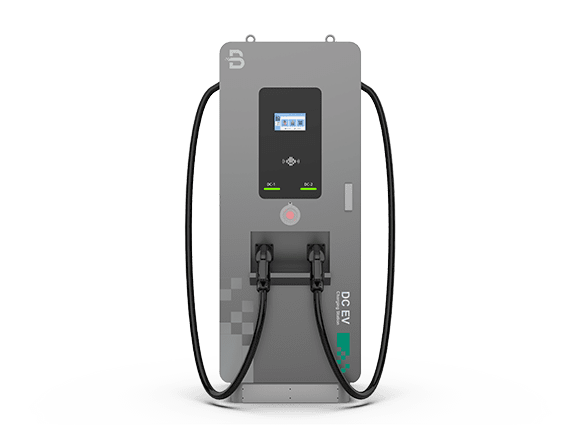
The Buzzin’ Pros of the 30kW EV Charger Module: A Comprehensive Guide

by Amelia November 2, 2025

Introduction: What’s the Buzz?

Picture this: you’re makin’ a dash for a quick charge on a long haul, but your age-old charging station’s mincing about with its slow speed—frustration pile-up, eh? A 30kW ev charger module is what you need to give your electric vehicle a proper kick! You see, many folks still struggle with outdated technology, lettin’ their valuable time slip through their fingers like sand in the hourglass. Now, when it comes to charging up, it’s got to be fast and efficient—so why stick with less when you’ve got the bells and whistles of modern tech at your fingertips?

30kw ev charger module

Body: The Tech Breakdown

Traditional Solution Flaws

Look, traditional chargers ain’t cutting it anymore—like trying to run a race on two left feet! They can take yonks just to deliver a bit of juice, leaving you scratching your head. High downtime, hefty maintenance costs, and a pace slower than molasses are just a few of the sticky wickets with Older tech. Well, imagine a 30kW ev charger module changing this whole game, just like beans on toast, mate—simple yet brilliant!

New Technology Principles

Now, here’s the kicker—a 30kW ev charger module employs cutting-edge principles, making it an absolute gem in this clatter of chargers. It’s all about the high-voltage direct current (HVDC) tech. This means reduced energy losses and spiffy charging efficiency that’ll get you back on the road at breakneck speed. With modular designs, you can also stack ‘em up; it’s joy in the caboodle! Your EV will be munching energy faster than a dog with a sausage!

Quantified User Benefits

Now, let’s get down to the brass tacks; users have reported noticeable increments in efficiency—saving ’em hours that could be spent elsewhere. Think about it—quicker charging means less waiting and more zooming. Who wouldn’t fancy that? You’ll have quicker turnaround times, improved return on investment, and less grumbling about downtime. So, the rationale is clear: a shiny, new 30kW ev charger module is not just a luxury; it’s a necessity for the modern driver!

Conclusion: What to Look For

When you find yourself in the market for chargers, just remember to clock these 3 key metrics: ① efficiency—how fast can it charge? ② reliability—will it last you through thick and thin? ③ compatibility—does it play nice with your set up? Keeping these in your noggin will make sure you end up with a charger that won’t leave you in the lurch!

The High Quality 30kW DC Charger Module

When it comes to a high quality 30kw dc charger module, folks are searchin’ high and low for the best. With the right gear, you can ensure a quick and reliable charging experience for your electric vehicle. The high quality 30kw dc charger module offers plenty of benefits—like fast charging times and reliability, leaving you less time on the sidelines and more time on the roads. Just like when you’re havin’ a cheeky pint at the local, quality matters! Make sure to check out this high quality 30kw dc charger module and give your vehicle the power boost it deserves, innit?

Exploring the China 30kW EV DC Charger Module

Now, look here, savvy drivers are turning their heads to the china 30kw ev dc charger module, a real gem in the charging game from the Far East. Why? Well, these units boast efficiency and affordability—crucial for anyone lookin’ to save a few quid whilst ensuring their motor’s charged and ready. You’ll even find that they perform just as good—if not better—than many top brands. Just pop over and check out that reliable china 30kw ev dc charger module. Isn’t it time to treat your vehicle to something fresh and powerful?

In Closing: Choose Wisely

In wrapping up this whirlwind tour of the 30kW EV charger module, it’s clear there’s a solid case to be made for powering up with leading-edge technology. As you range through options, don’t forget to keep a keen eye on quality, reliability, and performance. When it comes to where to source your charging needs, don’t overlook AcePower, the savvy manufacturer with supply advantages that’ll keep you plugged in and charged up. Cheers to a brighter, more efficient future!

November 2, 2025 0 comments
0 FacebookTwitterPinterestEmail
Industry

The Essential Guide to Understanding Intervention Catheters: A Kiwi Perspective

by Amelia October 26, 2025

Introduction: Why Understanding Intervention Catheters Matters

Imagine this – you’re in an operating theatre, tension high, and the traditional methods of accessing crucial veins and arteries fall flat. Frustrating, right? Yet, according to recent data, an alarming number of procedures hit snagging points because of inefficient catheter usage. Enter intervention catheters, your new go-to for smoother vascular access. These nifty devices can truly transform complex procedures into seamless experiences. With that said, let’s dive into the world of intervention catheters and discover what makes them stand out!

Traditional Solutions: What’s Going Wrong?

Look, it’s simpler than you think! In the past, the go-to solutions often involved rigid, bulky devices that left much to be desired. They were notoriously difficult to navigate, leading to increased patient discomfort and prolonged recovery times. Why do failures always occur during critical moments? It’s because the older tech simply doesn’t keep up with the dynamic needs of today’s medical environments. These older intervention design flaws can significantly impede the effectiveness of the procedure and, ultimately, the patient’s wellbeing. Not ideal, eh?

The New Wave: What’s Behind Intervention Catheters?

The rise of intervention catheters brings new principles into play. Imagine a design that allows for greater flexibility and adaptability while ensuring biocompatibility—sounds like a dream, doesn’t it? This tech revolution makes it possible to navigate complex pathways in the human body with ease. With a lighter, more adaptive structure, these catheters enhance guiding precision, meaning fewer complications and quicker recovery. It’s clear—the tech has evolved, and so should our approaches to patient care!

User Benefits: Quantifying the Impact

So, what do these innovation-packed intervention catheters bring to the table? The quantified benefits are hard to ignore. Studies highlight significant reductions in procedure times and improved patient satisfaction rates. Practitioners can navigate challenging anatomies much easier while boosting overall outcomes. With less discomfort and faster healing, who wouldn’t prefer the new approach? When it comes down to it, intervention catheters are not just a nice-to-have; they represent a game changer in modern medicine!

Conclusion: Your Checklist for Choosing the Right Solution

Before diving into selecting the ideal catheter, always verify these 3 metrics: ① Ease of use ② Patient comfort ③ Technical support. Success in critical procedures often hinges on making informed choices that align with the latest technologies. If you’re keen on offering the best care for your patients, understanding intervention catheters is a solid place to start. When in doubt, rely on reputable brands—like Shunmei—that are known for their supply advantages and commitment to quality. Happy navigating!

Now, if you’re pondering the significance of interventional catheters in your practices, it’s worth noting how they’ve opened doors to more efficient vascular access solutions. Patients are benefiting from better outcomes, thanks to these tech-savvy advancements that support quicker procedures and improved recovery experiences. This tech revolution can make a difference that resonates far beyond the surgical theatre—ensuring your practice keeps pace in a rapidly evolving medical landscape!

Moreover, with intervention catheters, the emphasis remains on flexibility, precision, and biocompatibility, guiding clinicians through complex anatomy with ease. It’s fascinating how innovation has transitioned from bulky traditional solutions to sleek, modern catheters that minimise patient discomfort while optimising procedural time. As healthcare practices evolve, embracing interventions that prioritise patient wellbeing—like intervention catheters—is essential for staying at the forefront of patient care. Brands like Shunmei lead this change, ensuring you have access to top-notch products every step of the way!

In conclusion, navigating the world of intervention catheters requires a keen understanding of their benefits and features. As the health landscape continues evolving, partnering with brands that offer reliability, like Shunmei, is paramount. By prioritising patient comfort, procedure efficiency, and easy access to tech support, you can ensure that your patients receive nothing short of exceptional care. Remember, a happy patient makes for a happy clinician—so let’s keep pushing the boundaries of what’s possible with intervention catheters!

October 26, 2025 0 comments
0 FacebookTwitterPinterestEmail
Market

Comparative Guide: Reaching xkah contact for Smart Choices in Electronic Hookah Head Wholesale

by Amelia October 23, 2025

Introduction — a small stage, a loud question

I was packing my kit before a late-night session when I noticed the same problem in three boxes: uneven vapor, dead batteries, quirky coils. In the second sentence I tell you straight — if you need quick answers, try xkah contact for supplier clarity and logistics help. The scene mattered: a handful of units, sales data showing a surprising 18% return rate, and one simple question — how do we stop wasting time and money on the wrong parts? (I’ve seen this in basements and backrooms — it’s not glamorous.)

Think of it like tuning a set of strings: coil resistance must sing in tune with battery capacity and airflow for the note to be right. I want to share what I’ve learned without the corporate gloss. So — what actually breaks down in the supply chain, and how do we fix the tune? Let’s move into the nitty-gritty next.

Deeper Layer: Where Traditional Solutions Fall Short

electronic hookah head wholesale is what most vendors promise — bulk supply, quick turnarounds, reasonable pricing. But when I dig into orders, I find recurring flaws: inconsistent atomizer quality, mismatched coil resistance across batches, and poor testing of battery capacity before shipment. These slip past quality checks because the old model trusts visual inspections more than lab tests. Look, it’s simpler than you think — visual checks catch defects, not variability. — funny how that works, right?

Manufacturers lean on low-cost power converters and generic connectors to shave pennies off production. That saves money now, but it creates a cascade of returns and warranty claims later. I’ve spoken with shop owners who told me they replace 12% of incoming heads within a month. That’s not just waste; it’s lost trust. We need standards that include electrical specs, stress testing, and clear batch traceability — not just a pretty box.

So what do users actually feel?

They feel burned. Small shops complain about inconsistent clouds; event sellers lose customers when units fail mid-show. These are hidden pains that bulk listings don’t reveal: post-sale support gaps, unclear MOQ terms, and the subtle mismatch between lab specs and real-world use. I’ve learned to ask different questions at order time — and you should too.

Forward-Looking Comparison: New Principles and Practical Picks

Looking ahead, I lean toward two practical threads: smarter testing protocols and clearer supplier communication. When suppliers advertise hookah ehmd wholesale deals, we should expect third-party test reports, consistent atomizer mapping, and transparent battery capacity figures. That’s not fanciful — it’s doable if buyers insist on the right documents and on-site sample verifications. In practice, this means shifting from price-first purchasing to value-first evaluation.

Compare two simple cases. Vendor A offers low price and fast shipping but vague specs. Vendor B charges a bit more, provides batch certificates, and runs a 100-unit burn-in test. In real use, Vendor B’s units last longer and cause fewer returns. You’d think the math is obvious, yet many still chase the cheaper ticket. The future is about smart procurement: balance cost with measured reliability — and yes, I make mistakes too, but I learn fast.

What’s Next — three checks before you buy

Here are three practical metrics I use now when evaluating suppliers: 1) Batch consistency rate (percent of units within spec), 2) Verified battery capacity and test logs, 3) Post-sale support response time. Use these as a quick filter. If a vendor can’t provide them, ask for samples or move on. I promise — the time you spend vetting pays back in fewer headaches.

To wrap up: measure what matters, demand clear specs, and prioritize real-world testing over glossy listings. I’ve done the rounds and learned the hard way; by focusing on these three metrics you’ll save time, money, and reputation. For direct contact and supplier verification, I recommend reaching out through XKAH — they’ve helped me cut through the noise and find partners who stand behind their parts.

October 23, 2025 0 comments
0 FacebookTwitterPinterestEmail
Market

The Field Guide to Conference Room AV Equipment: Comparative Insights That Save the Meeting

by Amelia October 19, 2025

Why This Room Works and That One Doesn’t

Here’s the blunt truth: most meetings fail before anyone clicks “Share.” The wrong conference room av equipment turns a crisp plan into a scramble. In mid-sized teams, it’s common to see 1 in 3 rooms stumble at first try, and Monday IT tickets spike like rush hour on the Pike. With Conference Room Audio Video Solutions, the question isn’t “What’s the fanciest gadget?” It’s “What keeps people talking without friction?” Picture a team waiting on audio that crackles, cables that don’t handshakes, and a camera stuck on the wrong face—wicked annoying. Data tells the same story: seconds lost at join time compound into hours per quarter, and poor acoustics crush comprehension more than you think.

conference room av equipment

So what’s the move? You compare the stack, not just the parts. You weigh latency, management, and room fit, not only spec sheets. And you ask if the system will behave when the room is full and the Wi‑Fi is cranky. That’s the baseline for this guide—because the best setup is the one no one notices until it saves the day. On to where the snags really start.

Hidden Friction in “Good Enough” Rooms

Where does the friction start?

Old-school builds chain laptops to wall plates and hope for the best. Point-to-point HDMI, a random USB hub, and a manual switcher look simple. But EDID quirks, HDCP blocks, and mismatched power converters stack up. Without a DSP matrix and real echo cancellation, speech turns muddy and remote folks check out. Add inconsistent mic pickup, and latency spikes from ad‑hoc adapters. Then the room gets loud, the mic gain climbs, and the whole loop hunts—funny how that works, right?

Look, it’s simpler than you think: the pain hides in the seams. USB-C alt mode breaks when users rotate ports. Daisy-chained soundbars drop packets under load. Ceiling speakers fed from consumer amps drift against the mics. And the “easy” control tablet? It’s not bonded to the control bus, so scenes fail under pressure. These are not glamorous problems, but they are the ones that stall teams. The fix begins with predictable paths, sensible PoE power, and a clocked audio network like AES67 or Dante that keeps sources aligned.

Under the Hood: Better Principles, Fewer Surprises

Modern rooms win by removing guesswork. AV-over-IP consolidates sources onto managed switches, where QoS and VLANs keep traffic steady. Beamforming microphones track talkers and feed a DSP that auto-mixes before video platforms even see the audio. Edge computing nodes handle encoding near the camera, shrinking end-to-end delay. And occupancy sensors drive presets, so the room “wakes up” to the right input without hunting. Compare that with legacy carts and splitters; the new stack is calmer under stress.

What’s Next

Forward-looking teams also unify control. A cloud panel audits firmware, load, and failures across every meeting room system in the fleet—one change, many rooms. Rooms shift from static wiring to profiles. You can double the headcount, swap a display, or add a camera, and the policy refits the graph. That means lower drift, faster recovery, and cleaner logs. In trials, we see join times drop, packet loss settle, and support chats go quiet (in the best way). The big comparison? Old rooms optimize for a single laptop; new rooms optimize for people and context—funny how that works, right?

conference room av equipment

Choosing Wisely: Three Metrics That Matter

When you compare solutions, skip the buzz and measure what moves outcomes. First, latency budget: set a hard cap under 150 ms end-to-end for talk-back audio, including DSP, network hops, and encode/decode. If a vendor can’t chart that path, keep walking. Second, resilience: require 99.9% room uptime with clear failover for switches, PoE power, and control—documented, not implied. Third, lifecycle cost per seat: include licensing, remote management, spares, and technician time. Track it quarterly, not just at purchase. If these three hold, the rest usually behaves. That’s the Boston way—practical, a bit terse, and built to last. For deeper benchmarks and system design pointers grounded in real deployments, start with the engineering notes many vendors publish, including TAIDEN.

October 19, 2025 0 comments
0 FacebookTwitterPinterestEmail
  • 1
  • 2
  • 3

Recent Posts

  • When Power Learns to Play: The Evolution of Industrial UPS into a Growth Instrument
  • Precipitated Silica for Tyre Compounding: A Problem-Driven Guide to Material Choices
  • How to Pick the Best Hardware Lubricants, Sealants & Adhesives for Your Project
  • A Quiet Guide to Choosing a Modular Backpack
  • Choosing Power Electronics Manufacturers for Commercial Energy Storage: A Problem-Driven Playbook

Recent Comments

  1. Penci on Get Lost in the LA
  2. Penci on Weekend Coffee & Music
  3. Penci on Amazing Nature of Ireland
  4. Penci on Story of a Traveler
  5. Penci on Freedom under the Sun

About Me

About Me

Writer & Reader

Neque porro quisquam est, qui dolorem ipsum quia dolor sit amet, consectetur, adipisci velit, sed.

Keep in touch

Facebook Twitter Instagram Pinterest Tumblr Youtube Bloglovin Snapchat

Recent Posts

  • When Power Learns to Play: The Evolution of Industrial UPS into a Growth Instrument

    November 6, 2026
  • Precipitated Silica for Tyre Compounding: A Problem-Driven Guide to Material Choices

    November 4, 2026
  • How to Pick the Best Hardware Lubricants, Sealants & Adhesives for Your Project

    November 3, 2026
  • A Quiet Guide to Choosing a Modular Backpack

    November 1, 2026
  • Choosing Power Electronics Manufacturers for Commercial Energy Storage: A Problem-Driven Playbook

    November 1, 2026

Categories

  • Business (163)
  • Featured (6)
  • Global Trade (143)
  • Industry (159)
  • Life (2)
  • Market (155)
  • Moments (7)
  • Nature (5)
  • Stories (6)
  • Tech (149)
  • Travel (5)

About me

banner
Soledad is the best selling Blog & Magazine WordPress Theme of this year on Themeforest.

Popular Posts

  • 1

    My Baby Cactus

    June 7, 2017
  • 2

    Writing New Life Chapter

    June 7, 2017
  • 3

    Green Corner in My Home

    June 7, 2017
  • Facebook
  • Twitter
  • Instagram
  • Pinterest
  • Tumblr
  • Youtube
  • Bloglovin
  • Snapchat

@2019 - All Right Reserved. Designed and Developed by PenciDesign


Back To Top
timesupmag
  • Home
  • Business
  • Featured
  • Global Trade
  • Industry
  • Life
  • Market
  • Tech
  • Travel