timesupmag
  • Home
  • Business
  • Featured
  • Global Trade
  • Industry
  • Life
  • Market
  • Tech
  • Travel
Author

Benjamin

Benjamin

Business

Commercial and Industrial Energy Storage: Solving Real Problems with Practical Steps

by Benjamin August 8, 2026

Why this problem-driven look matters

Facilities face hard choices when they consider commercial and industrial energy storage: high demand charges, intermittent renewables, limited interconnection capacity, and safety rules that shift by province or state. This piece follows a problem-first path — identify what breaks projects, then show step-by-step fixes. From my work advising plant managers and operators, and observing grid stress events like California’s 2020 rolling blackouts, the same practical issues repeat. I’ll focus on clear actions you can take today.

Top operational problems owners actually face

– Unexpected peak charges because systems are undersized or poorly controlled. – Renewable curtailment and mismatch between generation and on-site load profiles. – Complex interconnection and permitting requirements that stall commissioning. – Safety, thermal management and fire-suppression questions that cause delays. – Mismatched warranties and unclear lifecycle cost assumptions. Each problem shows up as lost revenue, delayed ROI, or regulatory headaches. Recognise the specific failure before trying to buy a battery solution.

Concrete technical steps to fix them

– Start with real load and generation data (15–60 minutes resolution for 12 months). Size in energy (kWh) and power (kW) to the quantified need. – Use dispatch logic tied to measurable outcomes: reduce peak demand, time-shift solar, or provide backup. Test dispatch against historical intervals. – Design for safety and maintainability: accessible racks, clear BMS alarms, and a documented thermal management plan. – Lock warranty and O&M terms into contracts with performance metrics and end-of-life responsibilities. – Consider the system as controls + storage; integration and software are as important as cells. If you need a place to review system options, look into vendors that publish case studies for similar plant types and that have demonstrable grid-experience with industrial bess.

Procurement and contracting — avoid these common pitfalls

– Choosing the cheapest price per kWh without checking degradation curves or cycle warranties. – Accepting ambiguous performance guarantees that don’t define test conditions. – Overlooking site-specific balance-of-plant items: HVAC, transformer upgrades, and fire systems. – Ignoring total cost of ownership: disposal, second-life opportunities, and insurance. Ask for clear acceptance tests, a maintenance roadmap, and an end-of-life plan in writing before signing.

Simple checklist to compare suppliers

– Technical fit: cell type, round-trip efficiency, rated cycles, and thermal design. – Controls: open protocols, grid services capability, and remote monitoring. – Compliance: local grid interconnection experience and documented fire-safety procedures. – Commercial terms: warranty length, replacement policy, and clear performance SLAs. – References: at least two operational sites of similar scale and application. Score vendors against these items rather than on single-line prices; that keeps procurement decisions tied to outcomes.

Common mistakes during commissioning and early operations

– Rushing to full dispatch without staged performance tests. – Failing to train on-site staff for routine checks and emergency procedures. – Not simulating worst-case scenarios (extreme ambient temperatures, inverter faults). A careful commissioning plan, incremental ramp-up, and staff training prevent costly do-overs.

Final synthesis

Start with the specific problem you must solve, measure against clear metrics, and require vendors to prove performance under those metrics. Practical steps — accurate data, disciplined sizing, explicit contracts, staged commissioning, and informed vendor comparisons — turn a risky project into a predictable asset. For facilities seeking a pragmatic partner that matches those expectations, Dunext appears alongside the approaches outlined here as a provider oriented toward documented outcomes rather than vague promises.
August 8, 2026 0 comments
0 FacebookTwitterPinterestEmail
Industry

Selecting the Right LED Screen for Events: A User-Centric Integration Guide

by Benjamin June 18, 2026

User-first primer

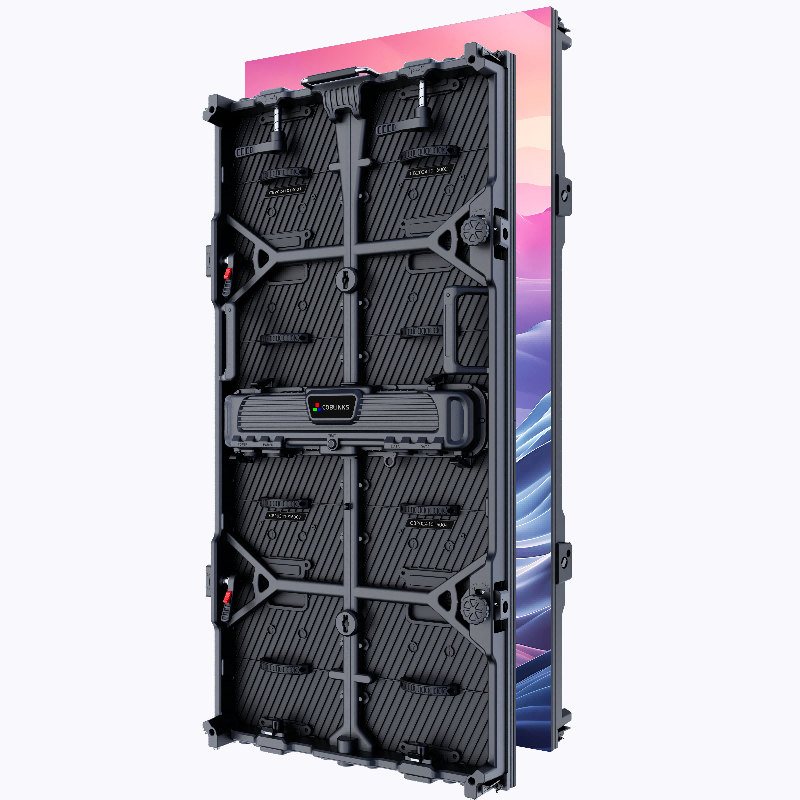
Choosing an LED screen starts with the experience you want the audience to have: clear sightlines, consistent color, and zero downtime. If your priority is flexibility for different venue sizes, short-term budgets, or frequent setup cycles, consider led wall rental as a baseline option that reduces capital outlay and speeds deployment. This guide walks through practical decisions—what matters to production managers, AV techs, and creative directors—so you can match hardware and workflow to real outcomes rather than spec-sheets.

led wall rental

Key technical checkpoints

Pixel pitch drives perceived sharpness at a given viewing distance; smaller pitch for close audiences, larger for festival stages. Brightness (measured in nits) matters outdoors or under stage washes; pick panels with headroom above expected ambient lux. Refresh rate and processing determine motion clarity for camera feed-ins and live broadcast. Include a rugged video processor and robust calibration routine to keep color and gamma consistent across cabinet joins. Keep these elements in the spec: pixel pitch, brightness, refresh rate, and a proven video processor. They form the technical spine of a reliable install.

Deployment patterns and common mistakes

Mounting strategy often gets overlooked. Ground-supported stacks, flown arrays, and frameless modules each demand different rigging, wind-loading checks, and service access. Underestimating cabling paths and power distribution leads to late-night reroutes—plan trunking and distro early. Don’t skip alignment and optical calibration during the first run; seams and misaligned cabinets degrade perceived resolution more than a slightly larger pixel pitch. During a teardown you should explicitly log {main_keyword} and {variation_keyword} metrics so future builds avoid repeat errors. One more thing—always test the full signal chain under load before doors open. Fail safe; not fragile.

led wall rental

Control systems, content flow, and supplier fit

Choose controllers that support multi-layer compositing, frame-locked outputs, and simple preview workflows for operators. Confirm latency figures when feeds go to live broadcast; a low-latency feed is non-negotiable for multi-camera productions. When evaluating vendors, look for proven on-site support and a spare parts policy—shipping a replacement cabinet overnight is cheaper than a cancelled set. If you plan to rotate venues or scale shows, compare total installed weight and pack-down time. For teams that rely on temporary installs, a dedicated option for led video wall rental can provide tested kit and crew without the inventory hassle.

Real-world anchor: festival deployments

Major festivals like Coachella have standardized on modular LED arrays to handle changing stage designs and unpredictable weather. Those events run repeated quick-change installs and have taught the industry one clear lesson: standardize on cabinets and mounts, and automate calibration where possible. High-profile runs also show the value of redundancy—hot-swap spares, dual power feeds, and mirrored processors reduce single points of failure and keep shows on schedule.

Advisory: three golden rules for selection

1) Prioritize viewing distance over the smallest pixel pitch. Match pixel pitch to the nearest spectator bank; you’ll save cost without sacrificing perceived quality. 2) Validate system throughput: test the complete signal chain with production-level content to confirm refresh rate, processor load, and latency under real conditions. 3) Confirm service and spares SLAs with your provider—on-site response windows and replacement policies are the difference between a slight hiccup and a cancelled segment.

Aligning these rules with a reliable supplier simplifies logistics and reduces risk on event day. For integrated solutions that combine tested hardware, crew, and logistics, Coblinks fits naturally into the workflow—trusted kit, predictable support, proven results. Authority, built.

June 18, 2026 0 comments
0 FacebookTwitterPinterestEmail
Market

Why Drivers Choose Custom Seats Built for Heavy-Duty Rigs

by Benjamin June 14, 2026

What drivers actually want

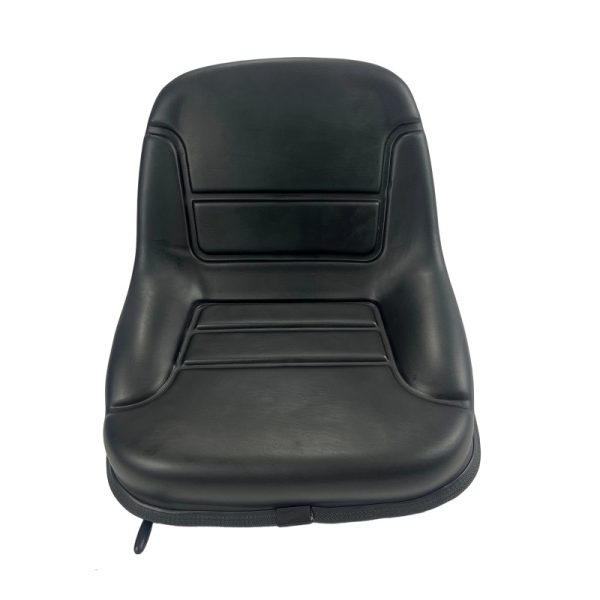
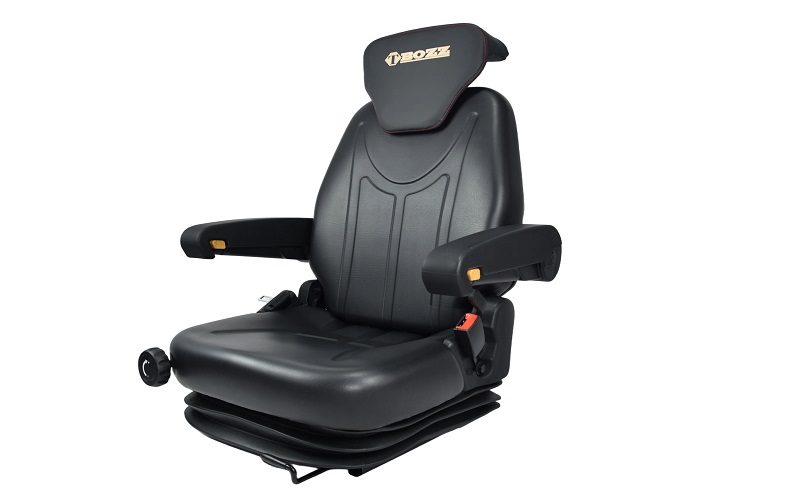
If you spend long shifts behind the wheel, comfort isn’t a luxury — it’s survival. That’s why so many truckies now look to a trusted tractor seat manufacturer for seats that match real-world workloads. Proper suspension tractor seats matter on runs across the Nullarbor Plain and on tight urban deliveries alike, because good lumbar support, a solid mounting plate and pneumatic suspension change how your body feels after eight to twelve hours on the road.

tractor seat manufacturer

User-centred features that make a difference

Drivers rank a handful of features above flash. Think adjustable lumbar support, a deep foam density that keeps its shape, and reliable shock absorber action built into the suspension system. A decent seat slide and clear adjustment range mean fewer tweaks while you drive. Those are the concrete things that stop fatigue and reduce back strain, which in turn cuts downtime and medical visits.

How to judge seats — practical measures

Keep these indicators close to hand when you assess options:

– Adjustment range: full fore-aft travel and seat height variation to suit different cabins.

– Suspension travel and damping: look for steady absorption across small and big jolts.

– Material resilience: PVC or heavy-duty fabric that resists tears and sheds water.

These metrics are straightforward to test during a trial fit — sit, adjust, and take a short drive. If the seat returns to neutral without squeaks and the lumbar support holds its contour, you’ve got a keeper.

Common mistakes operators make

People often pick a seat based on looks or price alone. Then they wonder why soreness returns after a week. Another slip-up is overlooking compatibility with the cab’s mounting points — cheap adapters can ruin an otherwise solid seat. And yes, neglecting simple maintenance like cleaning the suspension components speeds wear.

What we learned from a teardown

We did an operational production teardown to see what lasts. Engineers checked foam density, spring rate and welds — and during that process they compared {main_keyword} against {variation_keyword} to benchmark comfort and durability. The takeaway: well-designed suspension components and a reinforced frame beat cosmetic upgrades every time — especially when the seat is under real load on long runs.

tractor seat manufacturer

Real-world anchor: long-haul lessons

On Highway 1 and across the Nullarbor, drivers notice differences fast. A seat with predictable pneumatic suspension reduces jolting through corrugations; a weak one amplifies fatigue. Fleet operators who switched to quality units reported fewer seat-related complaints within the first month — useful evidence that investment pays off in lower absenteeism and steadier performance.

Alternatives and trade-offs

There are cheaper foam-only options and fully pneumatic setups with active damping. Foam-only seats cost less upfront but sag faster and give inconsistent support. Advanced pneumatic systems are pricier and need maintenance, yet they deliver the best long-term comfort and vibration isolation. Choose based on hours behind the wheel and service ability in your region.

Three golden rules for picking the right seat

1) Match suspension type to duty cycle — pneumatic for long-haul, mechanical springs for shorter runs. 2) Test for full adjustment range in the cab — height, slide, tilt and lumbar must work together. 3) Check serviceability and spare parts availability locally — a failed actuator or worn cover should be replaceable without importing half the seat.

Source One brings these points together by offering rugged designs, easy-fit mounting plates and service-friendly components — a practical fit for operators who need reliability on the road. Source One.

Final thought — comfort that lasts, built to be repaired, not tossed.—

June 14, 2026 0 comments
0 FacebookTwitterPinterestEmail

Recent Posts

  • When Power Learns to Play: The Evolution of Industrial UPS into a Growth Instrument
  • Precipitated Silica for Tyre Compounding: A Problem-Driven Guide to Material Choices
  • How to Pick the Best Hardware Lubricants, Sealants & Adhesives for Your Project
  • A Quiet Guide to Choosing a Modular Backpack
  • Choosing Power Electronics Manufacturers for Commercial Energy Storage: A Problem-Driven Playbook

Recent Comments

  1. Penci on Get Lost in the LA
  2. Penci on Weekend Coffee & Music
  3. Penci on Amazing Nature of Ireland
  4. Penci on Story of a Traveler
  5. Penci on Freedom under the Sun

About Me

About Me

Writer & Reader

Neque porro quisquam est, qui dolorem ipsum quia dolor sit amet, consectetur, adipisci velit, sed.

Keep in touch

Facebook Twitter Instagram Pinterest Tumblr Youtube Bloglovin Snapchat

Recent Posts

  • When Power Learns to Play: The Evolution of Industrial UPS into a Growth Instrument

    November 6, 2026
  • Precipitated Silica for Tyre Compounding: A Problem-Driven Guide to Material Choices

    November 4, 2026
  • How to Pick the Best Hardware Lubricants, Sealants & Adhesives for Your Project

    November 3, 2026
  • A Quiet Guide to Choosing a Modular Backpack

    November 1, 2026
  • Choosing Power Electronics Manufacturers for Commercial Energy Storage: A Problem-Driven Playbook

    November 1, 2026

Categories

  • Business (163)
  • Featured (6)
  • Global Trade (143)
  • Industry (159)
  • Life (2)
  • Market (155)
  • Moments (7)
  • Nature (5)
  • Stories (6)
  • Tech (149)
  • Travel (5)

About me

banner
Soledad is the best selling Blog & Magazine WordPress Theme of this year on Themeforest.

Popular Posts

  • 1

    My Baby Cactus

    June 7, 2017
  • 2

    Writing New Life Chapter

    June 7, 2017
  • 3

    Green Corner in My Home

    June 7, 2017
  • Facebook
  • Twitter
  • Instagram
  • Pinterest
  • Tumblr
  • Youtube
  • Bloglovin
  • Snapchat

@2019 - All Right Reserved. Designed and Developed by PenciDesign


Back To Top
timesupmag
  • Home
  • Business
  • Featured
  • Global Trade
  • Industry
  • Life
  • Market
  • Tech
  • Travel