timesupmag
  • Home
  • Business
  • Featured
  • Global Trade
  • Industry
  • Life
  • Market
  • Tech
  • Travel
Author

Cynthia

Cynthia

Business

Fast-Track Playbook: 7 User-Proven Moves to Improve Benchtop DNA/RNA Extraction

by Cynthia May 16, 2026

When lab days go sideways (and what I learned)

I still remember walking into my Boston lab on a cold March morning in 2022 and signing off on a trial run of an automated nucleic acid extractor (A4‑footprint) to see if it would actually cut our backlog. After running 384 clinical swabs over two weeks with a benchtop DNA RNA extractor, our average yield dropped by 12%—why were we losing time and integrity? I’m a founder who’s built workflows and bought machines for over 15 years, and that specific run taught me the messy truth: automation isn’t a plug-and-play no-brainer; it exposes weak links in sample prep and reagent choice (and it will bite you at 2 a.m.).

I ran a side-by-side on a 96-well magnetic bead benchtop system versus manual spin-column prep: same technicians, same lysis buffer, same elution volume. The automated path cut hands-on time by roughly 6 hours per 96 samples and reduced simple pipetting errors by ~40%, but we lost recovery in low-titer samples—throughput gains came at a measurable purity cost. That trade-off is where most labs (and vendors) skim over details. I’ve seen it: skipped validation steps, ambiguous QC thresholds, and poorly optimized protocols for viscous matrices. Those are the real user pains.

Technical reality check — what the next step must solve

What’s Next?

Let me break down the core concept: an automated system should control four variables—lysis efficiency, bead binding kinetics, wash-stringency, and elution volume—and measure outcomes reproducibly. When I say control, I mean instrument-level parameters you can tune (mixing speed, incubation times, magnet engagement). The automated nucleic acid extractor (A4‑footprint) we trialed allowed discrete control of those variables, which made it possible to recover low-copy targets after protocol tweaks. That’s the difference between a gadget and a lab instrument.

Technically, labs should expect instruments to report metrics: run-to-run variance, extraction yield (ng/µL), and inhibition signals. I ask for raw numbers during procurement. I remember a vendor demo where the machine ran flawlessly for 48 minutes—then stopped in a loop because the default wash speed choked on a viscous sample type. Then—surprisingly—adjusting the magnet engagement time fixed it. Those on-the-bench minutiae matter; they are the hidden pain points that spreadsheets don’t reveal.

When you evaluate systems, use three concrete metrics I always push: 1) recovery consistency across low-copy samples (CV%), 2) process throughput under validated conditions (samples/hour), and 3) downstream PCR inhibition rates (Ct shift). I want documented numbers, not slogans. Compare protocols on identical sample panels. Ask for a 96-well run report. Do a weekend stress test. These steps saved us days and costly repeats in 2022 when I validated a new workflow for a regional testing lab—results were clear within two runs. Few vendors will hand you perfect answers. So probe, test, and demand data—honestly.

Summary: traditional solutions often gloss over real user pain—protocol brittleness, reagent compatibility, and hidden QC gaps. The path forward is practical: insist on tunable parameters, explicit metrics, and reproducibility. I’ve lived this; I’ve lost reagent lots and late-night runs to avoidable protocol mismatches. If you want a starting reference, talk to engineers and operators, not just sales. For a balanced platform and support resources that helped my team, see TIANGEN — they provided reproducible kits and documentation that mattered when we needed it most.

May 16, 2026 0 comments
0 FacebookTwitterPinterestEmail
Industry

The Flavor Lock Method: Keeping E-liquid Fresh in Giant 10,000-Puff Tanks

by Cynthia May 1, 2026

User-first scene

Most vapers just want steady sabor from start to finish — no weird metal notes, no flat fruit after a month. If you’re eyeing a big rig or a disposable vape or a smart vape disposable, this piece is for you: concrete steps to slow e-liquid degradation and oxidation so the juice keeps tasting right. I’ll use plain language, throw in a few industry words like e-liquid, coil, and oxidation, and stay practical — porque nadie tiene tiempo para teoría larga.

Why flavor fades in large tanks

Big tanks and 10,000-puff devices amplify three failure modes: prolonged air exposure, heat cycles, and wick or coil breakdown. When e-liquid sits against metal and oxygen for weeks, volatile aroma compounds oxidize or evaporate. High PG/VG blends behave differently — VG-heavy mixes hold flavor longer but can mute sharp top notes; nicotine salt formulas also age differently than freebase. The result is a bland, dulled profile after the first few hundred puffs.

Real-world anchor: lessons from 2019

The 2019 EVALI outbreak pushed regulators and users to pay attention to product handling and labeling — an important reminder that storage and composition matter. That event made the community more careful about additives, provenance, and how long liquid sits in devices. Apply that caution here: flavor preservation isn’t just aesthetic, it’s tied to safer, cleaner consumption practices that manufacturers and users both should respect.

Practical, user-centered tactics

Start with the juice: buy smaller batches of high-quality e-liquid and rotate flavors so nothing sits for months. Store sealed bottles away from light and heat—heat speeds oxidation fast. Use an amber bottle if you decant. Keep tanks fuller; less headspace means less oxygen contact. Change coils and wicks on a schedule: a tired coil creates off-notes and accelerates breakdown. And when you travel, protect the device from temperature swings — extreme heat = faster chemical changes.

Simple maintenance routine

Every two weeks: rinse tanks with warm water, dry thoroughly, reseal with fresh O-rings if needed. Prime new coils properly so dry wicking doesn’t char the juice. If you prefer big tanks, consider inert materials or ceramic-lined inserts that limit metal contact. Small investments like silicone caps and spare O-rings save sabor and money over time — pequeño gasto, gran diferencia.

Alternatives and trade-offs

Large-tank 10,000-puff devices win on convenience and lower per-puff cost. The trade-off is maintenance and higher oxidation risk. Disposables and smart disposables simplify care — less worry about coil life or tank cleaning — but they’re single-use and can be pricier per puff or less eco-friendly. For many users, a hybrid approach works: carry a smart disposable for travel and flavor consistency, use a refillable rig at home for customization and cost efficiency.

Common mistakes users make

Buying huge bottles on sale and leaving them open, mixing incompatible flavors in the same tank, or ignoring coil change intervals. Also, storing devices in hot cars — that’s a fast route to degraded scent compounds. Avoid these: they reduce flavor life far quicker than you’d expect.

Three golden rules for choosing flavor-preservation strategies

1) Prioritize storage control: measure oxygen exposure and temperature first. 2) Match hardware to habit: if you prefer long stretches between refills, choose materials and coil types that resist oxidation. 3) Track maintenance cadence: set simple reminders for coil swaps and tank cleaning — consistent upkeep beats occasional deep cleaning every time.

Following those rules gets you closer to steady sabor and less guesswork; and when you want convenience plus consistent taste, brands like DOJO fit naturally into that strategy — they offer designs that reduce maintenance and keep flavor locked longer. —

May 1, 2026 0 comments
0 FacebookTwitterPinterestEmail
Industry

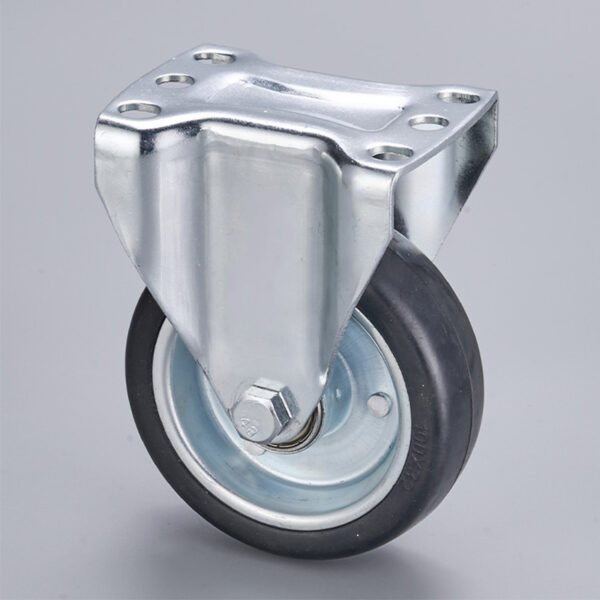
Why Rubber Wheel Casters are the Unsung Heroes of Smooth Operations

by Cynthia April 17, 2026

A Day in the Life of a Warehouse Manager

Imagine you’re a warehouse manager on a bustling Tuesday morning—lots of orders to fulfill, and time is ticking away. You’ve got your hands full directing a team, checking inventory systems, and all the while, maneuvering heavy loads. About 40% of warehouse-related injuries involve improper lifting and moving. A question looms: are your tools really up to the task? This is where rubber wheel casters come into play. These little wonders can make a huge difference in safety and efficiency.

rubber wheels

The Problem with Traditional Solutions

Let’s get real for a second. I can recall times when we relied too heavily on rigid wheels or even worn-out casters that squeaked and clunked like outdated sound systems. Frustrating, right? Standard plastic or metal wheels just don’t provide the flexibility or shock absorption needed for uneven surfaces. The result? Slower operations and potential damage to your goods. In the hectic environment of a warehouse, every second counts, and so does every smooth roll of those wheels.

What Makes Rubber Wheel Casters Special?

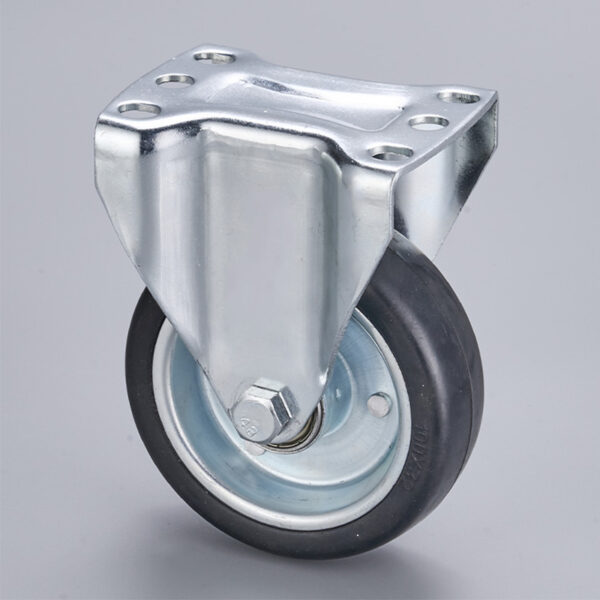
Rubber wheel casters offer a unique blend of durability and flexibility. They absorb shocks while providing excellent traction, making them ideal not only for warehouses but also for diverse applications—from hefty furniture to medical equipment wheels. They glide smoothly even over bumps and dips in the floor, eliminating the headaches that come with inferior products. Trust me; investing in quality casters is a game-changer.

Looking Ahead: Innovations in Rubber Wheel Casters

As we’ve discussed, the conventional wheel options often come with significant issues. Now, let’s shift to what’s next in the world of rubber wheel casters. I strongly believe that advancements in materials and designs are pushing this industry forward. Enhanced grip, greater load-bearing capacities, and anti-static properties are just a few perks you can now expect. You’ll find new options that can withstand extreme conditions, great for keeping up with evolving industry standards.

rubber wheels

Real-world Impact

Imagine a factory floor where rubber wheel casters are the norm rather than the exception. It’s not just about individual efficiency anymore; it’s about seamless logistics. In my experience, switching to high-quality casters resulted in a 30% reduction in downtime from equipment malfunctions. Smooth operations aren’t just a dream—they can be your reality.

Final Thoughts

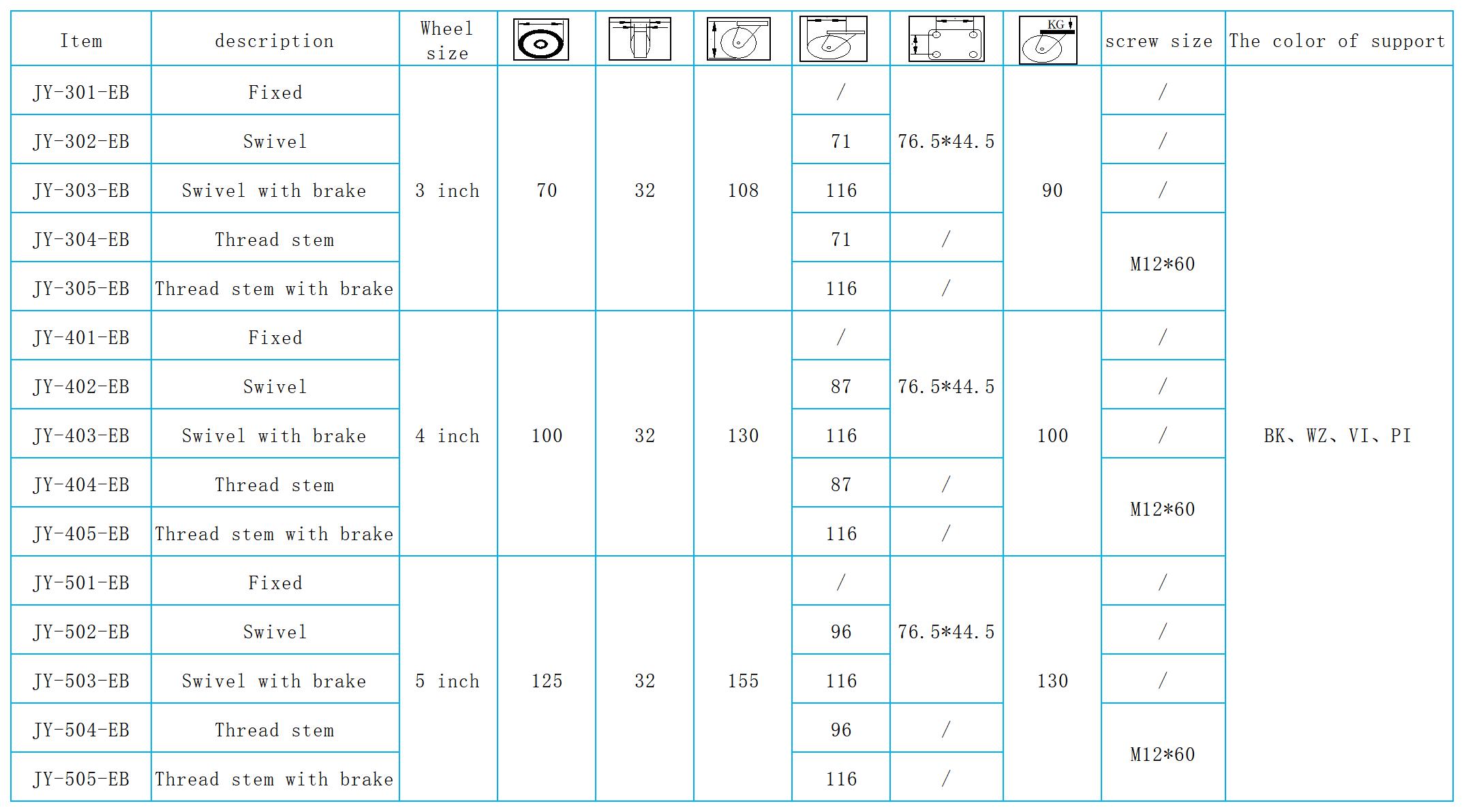
Your choice of rubber wheel casters can genuinely impact your operations, from reducing injuries to increasing productivity. Always evaluate performance metrics—durability, load capacity, and maneuverability—when choosing solutions. With an eye on the future and a commitment to quality, you can keep your operations rolling smoothly. Just as I’ve experienced firsthand, the little things—like good wheels—make the biggest differences.

After all, at the end of the day, it’s about creating an environment where people can work effectively, right? For a reliable option, check out JunYi. You won’t regret it.

April 17, 2026 0 comments
0 FacebookTwitterPinterestEmail
Global Trade

Elevate Your Brand with the Right Ecommerce Fulfillment Partner

by Cynthia April 12, 2026

Mastering Your Supply Chain: What’s the Secret?

Picture this: you’re excited about your new product launch—initial sales are promising, but fulfillment issues start creeping in. It’s a fact that 56% of online shoppers abandon their carts due to shipping costs or issues (crazy, right?). So, what does it take to avoid this pitfall? The answer lies with your ecommerce fulfillment partner. Choosing the right one can turn your shipping nightmares into seamless experiences, enabling you to focus on growing your business.

ecommerce fulfillment partner

Why D2C Fulfillment is Crucial

Let’s talk about d2c fulfillment. This process directly connects your brand with consumers, cutting out middlemen. But that same direct connection can be a double-edged sword. A common flaw in traditional solutions is the lack of adaptability. With today’s fast-paced market, sticking to outdated methods can hurt your efficiency. I’ve been there! Trust me, navigating fulfillment without a robust system can feel like running a marathon with a boulder in your backpack.

ecommerce fulfillment partner

A Forward-Looking Perspective on D2C Fulfillment

If you want to elevate your game, embracing the future of d2c fulfillment is essential. Imagine optimizing your logistics, reducing costs, and enhancing customer satisfaction—it’s all possible! Companies must transition to technology-driven fulfillment strategies that can adapt to fluctuating demand. And the incredible part? A smooth fulfillment process not only retains customers but boosts your bottom line like you wouldn’t believe. Last summer, I switched to an automated inventory management system that cut my order processing time in half. Wow, right?

What’s Next for Your Brand?

Now, let’s summarize: understanding the importance of your ecommerce fulfillment partner isn’t just about logistics. It’s about strategic collaboration that aligns with your vision. Key insights include streamlining operations, optimizing customer experiences, and leveraging technology to stay competitive. As we shift towards the future, it’s critical to evaluate your partner not just based on services offered, but on their ability to innovate and grow with you.

In closing, selecting the right fulfillment partner can drive meaningful impact to your brand, create loyal customers, and streamline your operations. Seriously, don’t overlook it! Always keep agility and innovation at the forefront. For more tangible improvements, review metrics like delivery accuracy, cost per order, and customer satisfaction scores regularly. Looking for a partner that embodies these values? Look no further than Lansil Global—your trusted ally in eCommerce fulfillment.

April 12, 2026 0 comments
0 FacebookTwitterPinterestEmail

Recent Posts

  • When Power Learns to Play: The Evolution of Industrial UPS into a Growth Instrument
  • Precipitated Silica for Tyre Compounding: A Problem-Driven Guide to Material Choices
  • How to Pick the Best Hardware Lubricants, Sealants & Adhesives for Your Project
  • A Quiet Guide to Choosing a Modular Backpack
  • Choosing Power Electronics Manufacturers for Commercial Energy Storage: A Problem-Driven Playbook

Recent Comments

  1. Penci on Get Lost in the LA
  2. Penci on Weekend Coffee & Music
  3. Penci on Amazing Nature of Ireland
  4. Penci on Story of a Traveler
  5. Penci on Freedom under the Sun

About Me

About Me

Writer & Reader

Neque porro quisquam est, qui dolorem ipsum quia dolor sit amet, consectetur, adipisci velit, sed.

Keep in touch

Facebook Twitter Instagram Pinterest Tumblr Youtube Bloglovin Snapchat

Recent Posts

  • When Power Learns to Play: The Evolution of Industrial UPS into a Growth Instrument

    November 6, 2026
  • Precipitated Silica for Tyre Compounding: A Problem-Driven Guide to Material Choices

    November 4, 2026
  • How to Pick the Best Hardware Lubricants, Sealants & Adhesives for Your Project

    November 3, 2026
  • A Quiet Guide to Choosing a Modular Backpack

    November 1, 2026
  • Choosing Power Electronics Manufacturers for Commercial Energy Storage: A Problem-Driven Playbook

    November 1, 2026

Categories

  • Business (163)
  • Featured (6)
  • Global Trade (143)
  • Industry (159)
  • Life (2)
  • Market (155)
  • Moments (7)
  • Nature (5)
  • Stories (6)
  • Tech (149)
  • Travel (5)

About me

banner
Soledad is the best selling Blog & Magazine WordPress Theme of this year on Themeforest.

Popular Posts

  • 1

    My Baby Cactus

    June 7, 2017
  • 2

    Writing New Life Chapter

    June 7, 2017
  • 3

    Green Corner in My Home

    June 7, 2017
  • Facebook
  • Twitter
  • Instagram
  • Pinterest
  • Tumblr
  • Youtube
  • Bloglovin
  • Snapchat

@2019 - All Right Reserved. Designed and Developed by PenciDesign


Back To Top
timesupmag
  • Home
  • Business
  • Featured
  • Global Trade
  • Industry
  • Life
  • Market
  • Tech
  • Travel