Problem first: what breaks, and why it matters
Cold shipments fail quietly. A delayed door, a long stop, a sensor drift — then food or medicine ruined. Small fleets try to cope. They need simple, immediate data. For vans you need clear systems; see a practical van fleet management approach that treats sensors and routes together. During Black Friday peak deliveries in the United States, strain on capacity exposes every blind spot. You fix what you can measure. No measurement, no fix.
Key metrics to track — the shortlist
Focus. Minimal but decisive metrics. Track these continuously:- Cargo temperature: sensor timestamped readings, min/max, and variance per shipment.
– Temperature excursion duration: how long was the cargo outside target range.
– Door open events and duration at stop.
– Dwell time at each stop and total route time.
– Route adherence: deviations and unscheduled stops.
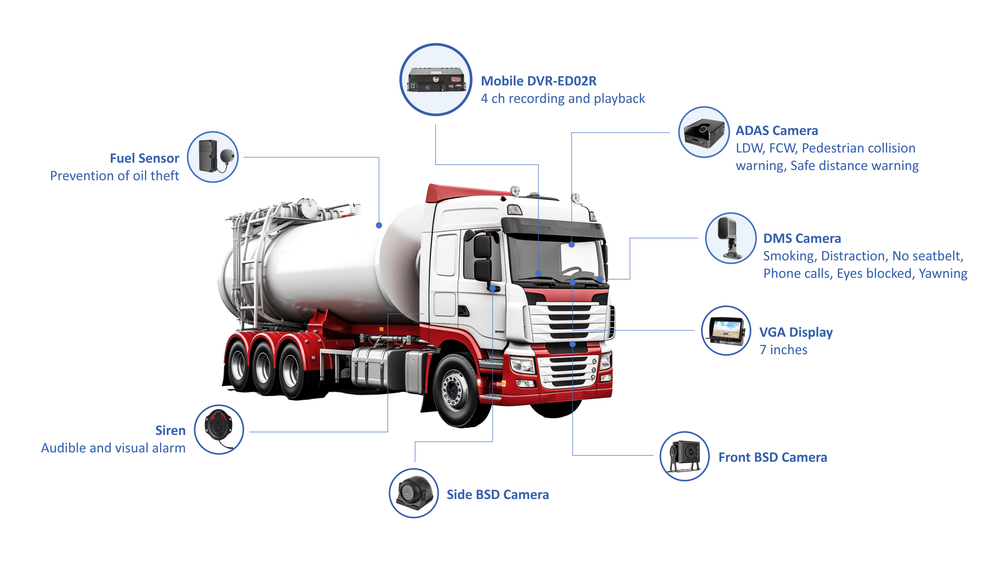
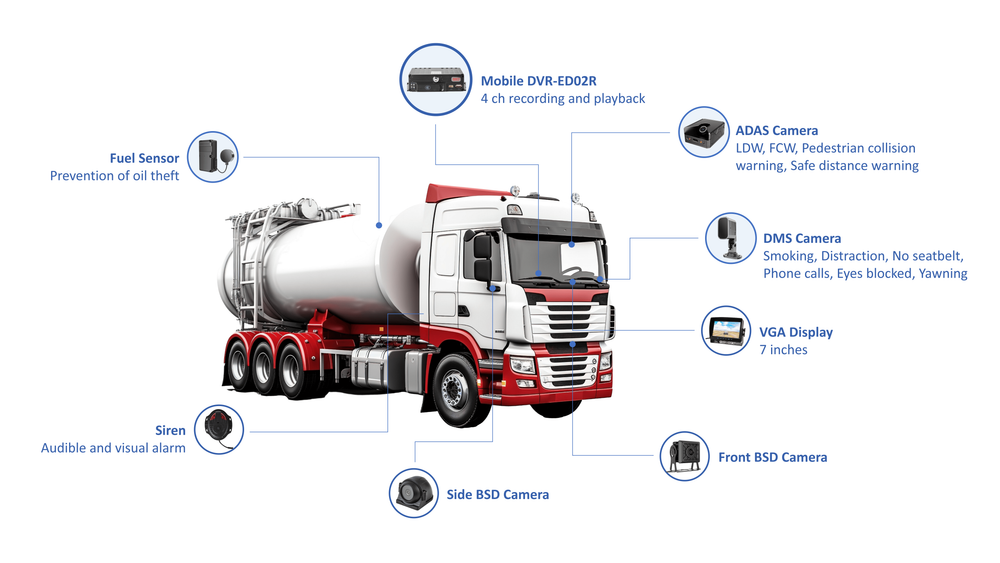
– Battery and power status for refrigerated units.
– Exception rate per driver or vehicle and time-to-resolution.
Reporting logic that solves problems
Reports must answer one question: did the cargo remain within spec from pickup to delivery? Use concise outputs. Dashboards for operations. Alerts for exceptions. Weekly summaries for compliance. Merge sensor logs with trip events. A good delivery vehicle tracking system ties GPS, temperature, and door events into one timeline so you see cause and effect quickly. Short reports first. Drill-down only when you must.

Common failures and practical fixes
Fleet people repeat the same mistakes. Fix them fast.- Too many sensors, messy data: standardize sensor intervals and formats.
– Late alerts: set thresholds for duration, not just value. A two-minute spike? Ignore. A twenty-minute spike? Alert.
– Loose accountability: attach exceptions to a shipment ID and a driver event log.
– No audit trail: keep immutable logs for compliance and recall work.
– Reports nobody reads: deliver one-pager exception reports to operations, detailed logs to quality teams.
Tool criteria — choose what solves not what dazzles
Pick tools that match your problems. Look for:- Sensor accuracy and calibration records.
– Low-latency data (near real-time where possible).
– Clean integration with dispatch and ERP.
– Simple rule engine for alerts and thresholds.
– Clear exportable logs for audits and recalls.
Field experience shows that simpler UI and reliable alerts matter more than fancy analytics that no one uses.
Synthesis — act, measure, repeat
Stop guessing. Track the small set of metrics above. Tie them into operational reports. Remove noise; keep exceptions visible. Operators who standardize these elements reduce losses and speed corrective action, often by adopting integrated solutions that combine telematics and sensors like BSJ. Simple, direct, and useful — that is how you keep cold cargo cold and customers calm.