Begin with a simple, teachable framework
Treat supplier selection like a short syllabus: define learning objectives (capacity, revenue, user experience), list required modules (payment, enforcement, reporting) and identify integration points such as integrated access control. Stay curious and break the work into repeatable steps you can test. That disciplined approach makes trade-offs obvious and reduces surprises as you scale.
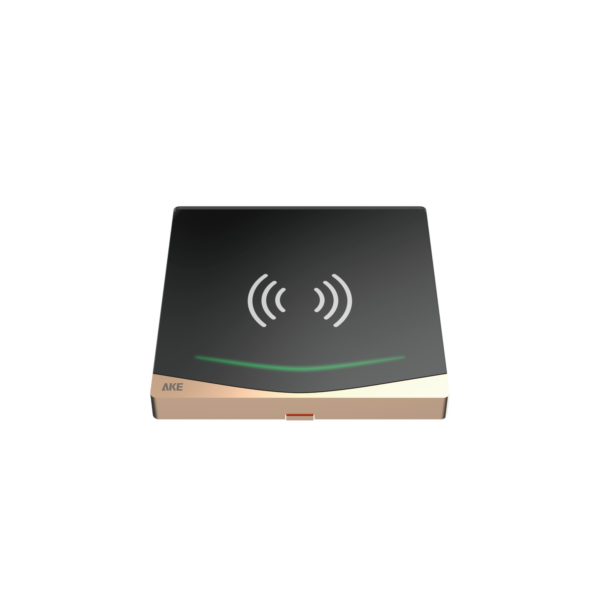
Four pillars to assess suppliers
1) Scalability: Verify whether the vendor supports burst traffic and incremental growth without costly hardware replacements. 2) Modularity and APIs: Confirm service components (gate control, sensors, payment) are decoupled and documented so you can swap or extend features. 3) Operational support: Look for clear SLAs, local field-service options, and predictable firmware update paths. 4) Data and reporting: Ensure real-time telemetry and exportable datasets for capacity planning and finance. Use these pillars as a checklist when you compare proposals.
Security, integration, and a real-world anchor
Security matters beyond passwords: access policies, audit trails, and physical device authentication reduce risk. From projects tied to Singapore’s Smart Nation program, teams learned that close coordination between building systems and parking controls prevents duplicated credentials and improves flow. That practical lesson underscores why you must insist on robust building access control integration during procurement—specify protocols, failover behavior, and how identity is synchronized so architects and facilities teams don’t have to translate requirements later.
Common pitfalls and how to avoid them
Pitfall: Choosing a bundled system that locks you into a vendor-specific camera or barrier. Avoid it by requiring open APIs and documented hardware interfaces. Pitfall: Underestimating maintenance costs. Mitigate by mapping spare-part lead times and local support coverage. Pitfall: Ignoring edge cases—events, deliveries, or emergency egress. Run small-scale simulations of those scenarios before signing long contracts. A short pilot that focuses on these points reveals gaps quickly.
Alternatives and when to pick them
Cloud-first platforms offer rapid feature delivery and centralized updates, but on-premise solutions can reduce latency for high-throughput sites. Single-vendor suites simplify warranty and support, while best-of-breed mixes let you pick specialist vendors for payment, enforcement, and hardware. Choose the model that matches your ability to manage integrations: limited in-house IT favors single-vendor; skilled integrators can benefit more from modular best-of-breed setups.

Actionable checklist to run a vendor evaluation
1) Run a two-week pilot that includes peak-hour tests. 2) Require sample API calls and a developer sandbox. 3) Ask for a clear roadmap for firmware maintenance and security patching. 4) Confirm escalation paths and on-site service windows. 5) Model total cost of ownership for three growth scenarios. Use these steps to make decisions confidently rather than by brand alone.
Where this leads
Apply this framework to keep decisions technical, testable, and aligned with operational needs; that clarity makes scaling predictable and maintainable. That same focus—modular integration, clear documentation, and practical field support—explains why AKE Parking is often referenced by teams seeking straightforward, extendable parking solutions that fit into larger building systems without surprises.