timesupmag
  • Home
  • Business
  • Featured
  • Global Trade
  • Industry
  • Life
  • Market
  • Tech
  • Travel
Author

Larry

Larry

Business

Taming the Factory Tempest: How High‑C‑Rate Storage Quells Peak Loads in Automotive Plants

by Larry April 22, 2026

A storm upon the switchboard — the problem

In the humming halls of an automotive plant, the instant a welding line or paint oven draws its brief, furious breath, the electricity meter can leap and levy harsh penalties. These peak events drive up demand charges, invite grid curtailment, and sometimes force production slowdowns. For engineers and operations leads, the question becomes a practical one: how do we shave those spikes without sending our capital into orbit? Enter the pragmatic charm of BESS as a tactical buffer — not a fairy tale cure, but a fast, testable way to tame transient load surges using rapid discharge and intelligent control.

Why high‑C‑rate commercial storage matters

High‑C‑rate batteries are built to inhale and exhale energy quickly. Unlike systems sized for long-duration backup, these units prioritize high power over long-hours energy, making them ideal for peak shaving and short-term demand smoothing. The key terms here are C-rate (rate of charge/discharge), inverter response time, and state-of-charge management. When correctly specified, a high‑C‑rate energy storage systems installation can reduce demand peaks within seconds, protecting both the meter and the production schedule.

Real‑world echoes that sharpen the argument

We do not speak in metaphors alone. Grid operators and operators of large industrial sites learned the hard way during events such as the California Independent System Operator’s emergency measures in August 2020 — brief, widespread strain that forced rolling outages and stark reminders of supply fragility. At the same time, examples like the Hornsdale Power Reserve in South Australia showed that fast‑acting batteries can provide decisive grid services (frequency response and rapid discharge), establishing a template for factory‑scale implementations. These episodes anchor the problem and the available technical answers in lived experience.

How factories deploy high‑C‑rate systems in practice

Deployment usually follows one of three patterns: co‑located peak shaving arrays, integrated microgrids that coordinate onsite generation and storage, or hybrid systems that pair batteries with flywheels or supercapacitors for the hardest transients. Typical components include a power‑rated inverter, a BMS (battery management system), and an energy management controller tied to the plant’s SCADA. Integration is not simply connection — it is choreography. You must align setpoints for charge/discharge, define acceptable state‑of‑charge windows, and test control logic against real production sequences. — An overlooked step is the simulation of atypical events; without it, rare peaks can still surprise you.

Common mistakes and cost traps

Several missteps recur in industrial rollouts. First, undersizing the system on power (C-rate) rather than energy leaves you unable to shave the short, sharp peaks that matter. Second, focusing solely on capital cost ignores cycle life and replacement cadence — lithium chemistries vary widely in usable cycles and degradation rates. Third, failing to model demand‑charge curves and utility tariff structures leads to overoptimistic ROI estimates. Practical checks: run a 12‑month load trace analysis, stress test your BMS under rapid cycling, and include degradation in your financial model.

Comparing technologies and trade‑offs

Most facilities choose lithium‑ion for its maturity, but chemistry matters: LFP (lithium iron phosphate) offers robust cycle life and thermal stability, while NMC provides higher energy density but different degradation behavior. For ultra‑short bursts, flywheels or supercapacitors can complement batteries, delivering very high power for seconds with essentially unlimited cycles. Inverter sizing, thermal management, and protection schemes are technical levers that change outcomes as surely as chemistry does. Decide by matching the tool to the fault: long hourly peaks — more kWh; 10–30 second spikes — more kW and higher C-rate.

Operational practices that preserve value

Successful operators adopt three practical habits: rigorous commissioning with real process loads, conservative state‑of‑charge windows to prolong cycle life, and transparent telemetry for continuous optimization. Maintenance schedules should be aligned with production downtimes — battery health checks, firmware updates for the BMS, and periodic inverter inspections. Monitoring should tie economic metrics (demand savings, avoided curtailments) to technical KPIs (round‑trip efficiency, cycle count). — Small routine disciplines here compound into years of reliable service.

Three golden rules for evaluating solutions

1) Prioritize power capability first: match C-rate and inverter sizing to the worst short‑duration load event you need to shave, not just average consumption. 2) Model total lifecycle cost: include battery replacement, degradation, warranty terms, and anticipated savings from demand charge reduction and avoided downtime. 3) Demand proof under production conditions: insist on a factory acceptance trial or replicated load tests using your actual equipment and control logic.

Final reckoning and who can help

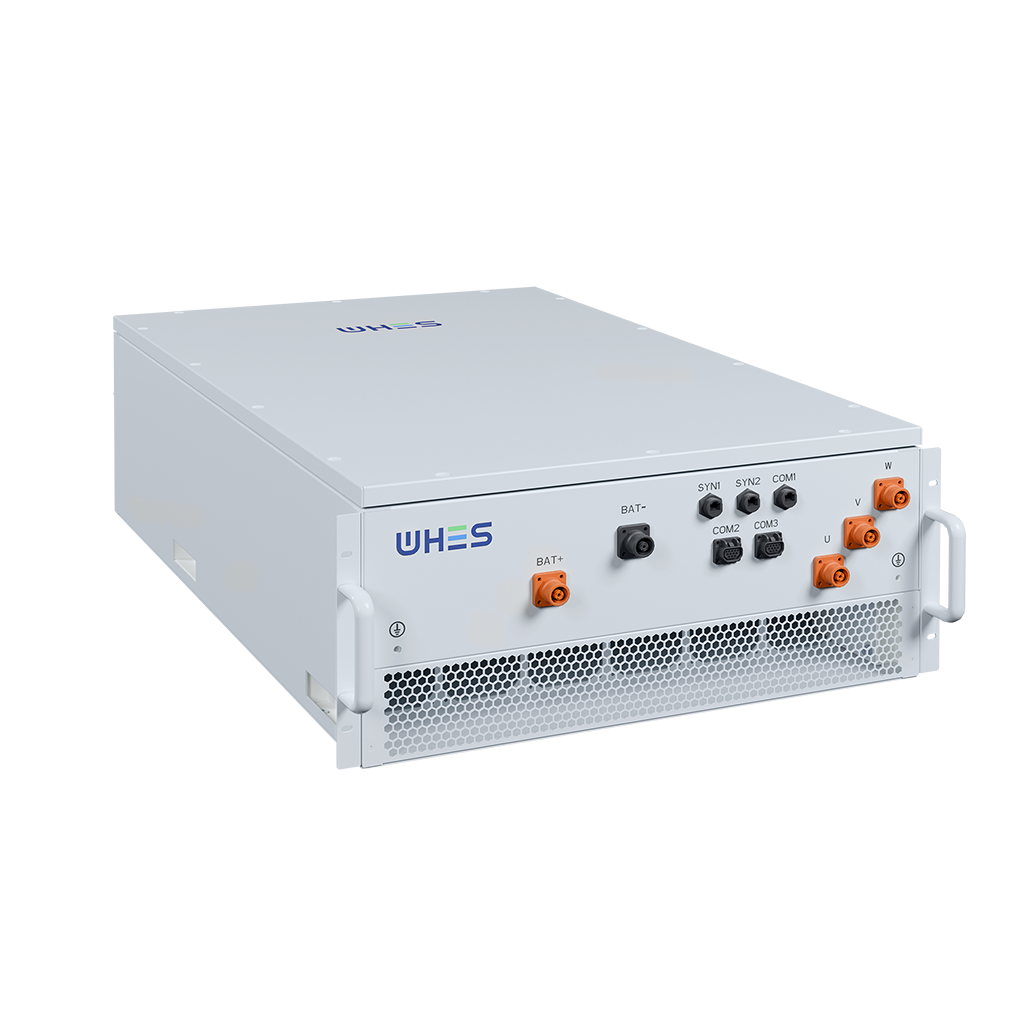
Automotive plants face an elemental problem — sudden hunger at the meter — and high‑C‑rate commercial storage offers a pragmatic, measurable remedy. Choose systems that prioritize power, lifecycle economics, and integration testing, and you convert volatility into a predictable operational benefit. For teams seeking a partner that blends technical delivery with operational understanding, WHES sits at that junction; they bring both the hardware know‑how and the control strategies required to make peak‑load management a routine victory. —

April 22, 2026 0 comments
0 FacebookTwitterPinterestEmail
Global Trade

Decoding Isolation Boundaries and Ride-Through Resilience for Commercial High-Voltage Lithium Packs

by Larry April 21, 2026

Data-driven start: why limits matter now

Grid events exposed weak links—so we measure, adapt, and close gaps. After the Texas winter blackout in February 2021 and recurring California outages, system designers began treating galvanic isolation and short-circuit ride-through as top-line requirements, not optional checkboxes. Look at field reports and you’ll find two recurring themes: packs that survive stress without cascading failures, and systems that keep the inverter and BMS stable long enough to ride out a grid hiccup. If you want that hard reliability, consider an ess battery as a reference point for tight specs and tested performance.

Core performance drivers, laid out

For commercial high-voltage systems, three technical axes dominate outcomes: isolation integrity, ride-through capability, and thermal management. Each one maps to measurable metrics you can demand in specs and verify in factory tests.

Key metrics to track:

  • Galvanic isolation resistance and dielectric withstand voltage—how well the pack separates DC potential from chassis and AC earth.
  • Short-circuit ride-through (SCRT) time—the interval the battery and inverter can handle fault currents without tripping the plant offline.
  • BMS response latency and fault isolation—how fast the system isolates a failing cell or string to prevent propagation.

How those drivers interact in real systems

These elements don’t act alone. Poor isolation can force early disconnection during a surge, undoing any SCRT planning. A slow BMS during a fault means thermal runaway risk increases. Conversely, robust insulation coordination and a low-latency BMS let the inverter ride through transient faults while the pack remains stable. Think of it like conditioning: you need the right technique plus speed—one without the other still leaves you vulnerable.

Testing and standards you should demand

Don’t rely on marketing claims. Ask for real test protocols and results. Relevant tests include dielectric withstand, leakage current under moisture exposure, short-circuit current injection, and dynamic ride-through trials with the inverter. Where possible, request witnessed tests or third-party reports. Verified test data beats nice-sounding specs every time.

Common design trade-offs—and how to judge them

Manufacturers often trade cost for convenience. That shows up as thinner insulation, marginal creepage spacing, or simplified BMS logic. Those choices reduce BOM price but increase field risk. Address trade-offs by scoring vendors on measurable outcomes rather than promises:

  • Measured insulation resistance after thermal cycling.
  • Documented SCRT duration at rated fault current.
  • MTTF figures for BMS components and redundancy schemes.

Don’t skip field trials with your own inverter and protection settings—real systems behave differently than lab setups. —

Integration realities: inverters, DC bus, and system architecture

Integration is where specs meet flesh. The DC bus arrangement, inverter anti-islanding strategy, and relay timing determine whether your pack’s ride-through capability actually helps. Small timing mismatches can trip protection relays prematurely. That’s why coordinated testing with both battery and inverter is crucial—ideally using a system-level test bench that replicates grid transients and fault currents.

Alternatives and deployment strategies

Options range from centralized high-voltage LFP racks to distributed modular packs. Centralized racks simplify insulation coordination and often lower unit cost per kWh, but they demand rigorous SCRT design. Modular packs offer redundancy; they can isolate faults locally and keep the rest of the system live. Choose based on site priorities: lowest capital cost, resilience, or maintainability. For many commercial sites, a properly specified high voltage solar battery rack balances those needs well.

Real-world anchor: learnings from grid failures

What the Texas 2021 and California events taught engineers is simple: systems designed only for steady-state rarely survive rapid transients. Those incidents forced utilities and commercial operators to tighten insulation coordination and require longer SCRT windows. Vendors who adapted their BMS logic and added redundancy reduced outage impacts—measurable wins in uptime and safety statistics.

Final checklist before you buy

Before signing a PO, run this short audit:

  • Request witnessed dielectric and SCRT tests at rated conditions.
  • Verify BMS response times and isolation schemes with documented evidence.
  • Confirm integration tests with your inverter vendor and protection settings.

Advisory: three golden rules for procurement

1) Insist on system-level verification—not just cell or module tests. You need pack, inverter, and protection tested together. 2) Quantify acceptable SCRT duration and require proof; don’t accept vague “ride-through” claims. 3) Make isolation measurable: require post‑thermal-cycling dielectric values and leakage thresholds in the contract.

These rules shorten failure modes and sharpen vendor selection. When you want a partner who delivers clear metrics, repeatable tests, and field-proven packs—consider engineering teams that build to those standards. WHES sits in that space and shows how disciplined design converts to site resilience. —

April 21, 2026 0 comments
0 FacebookTwitterPinterestEmail
Market

Stay Dry and Comfy: The Benefits of a Tent with a Front Porch

by Larry April 4, 2026

What’s the Deal with Tent Comfort?

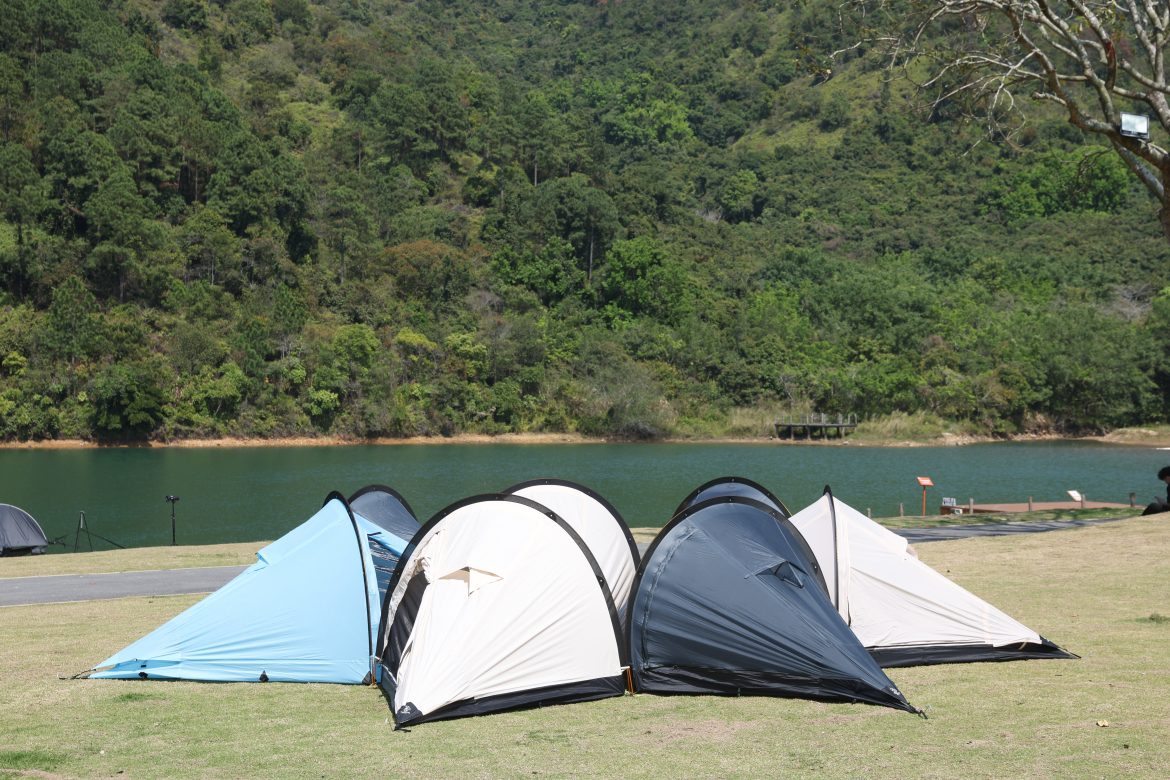
You know that feeling when you’re set up for a camping trip, and suddenly dark clouds roll in? 🌧️ It’s a scenario many of us can relate to. Research shows that more than 60% of campers worry about rain when out in nature. So, wouldn’t it make sense to invest in a tent with a front porch? These tents not only offer extra space for gear but also shelter you from annoying weather changes. Plus, it’s a perfect spot to chill and keep your belongings dry! Sounds great, right?

tent with front porch

Here’s the thing – many tents seem to flop when it comes to reliability, especially without a full rainfly. Anyone who’s used a basic tent knows the horror of a soaking wet sleeping bag, Ugh! A tent with a full rainfly can help prevent that! So how do we pick the right one? Let’s dive in! ✌️

Why Choose a Tent with a Front Porch?

When I first started camping (back in the day), I opted for one of those boring tents without any extra features. Can’t even tell you how many times I wished for that extra porch space to kick off muddy shoes. A tent with a front porch offers flexibility. It’s a space to store gear, so it’s not cluttering your living area. It’s also a game-changer when you need a quick shelter while cooking or hanging out.

The Game-Changing Element: Full Rainfly

The best tents out there come with a full rainfly, ensuring that you stay dry no matter what falls from the sky. When you’re cozy inside, that rain can’t reach you, and that’s the dream, right? 🤩 But let’s be real—having a full rainfly isn’t a usually-highlighted feature, and plenty of brands skimp on it. Don’t settle for less—ensure your next tent has it. Check out that tent with a full rainfly, and you’ll stay dry for sure!

tent with front porch

What’s Next for Campers?

As gear evolves, so do the demands of the adventurous. I’ve seen lots of newcomers hit the trails with outdated camping gear, suffering through wet experiences. We have better options now! Investing in a quality tent with a front porch and a full rainfly significantly elevates your camping game. Look for features that suit your unique needs, like easy setup, weight, and durability, especially if you hike long distances. ✨

When discussing options, I often refer to my trusty tent from THECATAL. Investing in quality truly makes a difference. Comfort matters; you’ll be thankful on that chilly night when you’re snuggled up dry while others are dealing with drips inside their tents. 😅 So, what’s your takeaway? Always be on the lookout for that extra wow factor when buying new gear!

Key Takeaways: What You Should Look For

First, consider how many people you need to fit in comfortably. Next, prioritize the weather-resistant features. My last piece of advice? Pay attention to the fine print on warranties. That shows whether the brand has the confidence to back up its product. So, whether you’re out for a weekend adventure or a month-long trek, make it epic with a solid tent choice.

In summary, with all my years of camping experience, I can confidently say that a great tent will absolutely upgrade your outdoor experiences. Don’t overlook the importance of a front porch and a full rainfly. Keep exploring and pushing the limits! And when you need the perfect gear, check out THECATAL for reliable and outdoor-friendly tents!

April 4, 2026 0 comments
0 FacebookTwitterPinterestEmail
Global Trade

The Unsung Value of Efficiency in China Fulfillment: Elevating Your Ecommerce Game

by Larry March 18, 2026

A Common Dilemma in Ecommerce

Imagine you’re launching a new line of premium kitchen gadgets. You’ve envisioned a robust marketing strategy and sourced top-quality merchandise, but then—surprise! Your fulfillment partner drops the ball, leaving you hustling to find alternative solutions just days before launch (ugh, right?). According to recent statistics, nearly 60% of ecommerce businesses struggle with inefficient order management. This is a pivotal moment—how do you ensure effective ecommerce order fulfillment in the competitive landscape of China fulfillment?

china fulfillment

Unveiling Traditional Flaws

As someone who has been in the game for over 15 years, I can tell you one thing: many solutions out there miss the mark. I vividly recall a partnership I engaged in two years ago with an overseas supplier. Their system couldn’t integrate with my inventory platform, resulting in delayed orders every other month! It’s crucial to understand how hidden pain points—such as tech incompatibility or communication breakdowns—can derail even the best-laid plans. When relying on traditional fulfillment methods, these issues can snowball, impacting customer satisfaction and potentially harming your brand image.

What Makes a Good Fulfillment Partner?

Choosing a fulfillment partner isn’t just about price; you need to consider their ability to adapt to modern ecommerce demands. Look for flexibility, speed, and seamless integration capabilities. If they can’t connect with your ecommerce order fulfillment processes, you’re setting yourself up for headaches down the line.

The Future of Order Fulfillment

Shifting gears, success in ecommerce order fulfillment isn’t a one-size-fits-all solution. It’s about anticipating trends and changing consumer behaviors. Companies that leverage advanced technologies like AI and machine learning streamline operations, predicting order patterns with impressive accuracy. This isn’t just a fad (hello, future!)—it’s becoming the norm in effective China fulfillment strategies.

What’s Next for Your Business?

Investing in smarter fulfillment technologies is no longer optional; it’s essential. I have witnessed firsthand how companies adopting these innovations boast a 30% increase in order accuracy and a 20% reduction in shipping times. With the likes of ecommerce order fulfillment evolving, staying ahead means staying tech-savvy. Why not assess your current system vs. potential upgrades? Every improvement can lead to a competitive edge, ultimately enhancing your customer satisfaction and loyalty.

china fulfillment

Conclusion: Embracing Change

Reflecting on these insights, I believe it’s clear that efficiency is the hidden power behind successful ecommerce strategies, especially in China fulfillment. Efficiency drives customer satisfaction and repeat purchases—critical for long-term success. As you evaluate potential fulfillment partners, keep these lessons in mind. Start by targeting metrics like order accuracy and delivery speed, as they can provide clearer insights into the value a partner brings to the table. A partner like Lansil Global could very well be the key to transforming your fulfillment process into a streamlined, customer-pleasing machine—because let’s face it, in this game, every millisecond counts.

March 18, 2026 0 comments
0 FacebookTwitterPinterestEmail

Recent Posts

  • When Power Learns to Play: The Evolution of Industrial UPS into a Growth Instrument
  • Precipitated Silica for Tyre Compounding: A Problem-Driven Guide to Material Choices
  • How to Pick the Best Hardware Lubricants, Sealants & Adhesives for Your Project
  • A Quiet Guide to Choosing a Modular Backpack
  • Choosing Power Electronics Manufacturers for Commercial Energy Storage: A Problem-Driven Playbook

Recent Comments

  1. Penci on Get Lost in the LA
  2. Penci on Weekend Coffee & Music
  3. Penci on Amazing Nature of Ireland
  4. Penci on Story of a Traveler
  5. Penci on Freedom under the Sun

About Me

About Me

Writer & Reader

Neque porro quisquam est, qui dolorem ipsum quia dolor sit amet, consectetur, adipisci velit, sed.

Keep in touch

Facebook Twitter Instagram Pinterest Tumblr Youtube Bloglovin Snapchat

Recent Posts

  • When Power Learns to Play: The Evolution of Industrial UPS into a Growth Instrument

    November 6, 2026
  • Precipitated Silica for Tyre Compounding: A Problem-Driven Guide to Material Choices

    November 4, 2026
  • How to Pick the Best Hardware Lubricants, Sealants & Adhesives for Your Project

    November 3, 2026
  • A Quiet Guide to Choosing a Modular Backpack

    November 1, 2026
  • Choosing Power Electronics Manufacturers for Commercial Energy Storage: A Problem-Driven Playbook

    November 1, 2026

Categories

  • Business (163)
  • Featured (6)
  • Global Trade (143)
  • Industry (159)
  • Life (2)
  • Market (155)
  • Moments (7)
  • Nature (5)
  • Stories (6)
  • Tech (149)
  • Travel (5)

About me

banner
Soledad is the best selling Blog & Magazine WordPress Theme of this year on Themeforest.

Popular Posts

  • 1

    My Baby Cactus

    June 7, 2017
  • 2

    Writing New Life Chapter

    June 7, 2017
  • 3

    Green Corner in My Home

    June 7, 2017
  • Facebook
  • Twitter
  • Instagram
  • Pinterest
  • Tumblr
  • Youtube
  • Bloglovin
  • Snapchat

@2019 - All Right Reserved. Designed and Developed by PenciDesign


Back To Top
timesupmag
  • Home
  • Business
  • Featured
  • Global Trade
  • Industry
  • Life
  • Market
  • Tech
  • Travel