Quick snapshot: what we mean by lifecycle cost
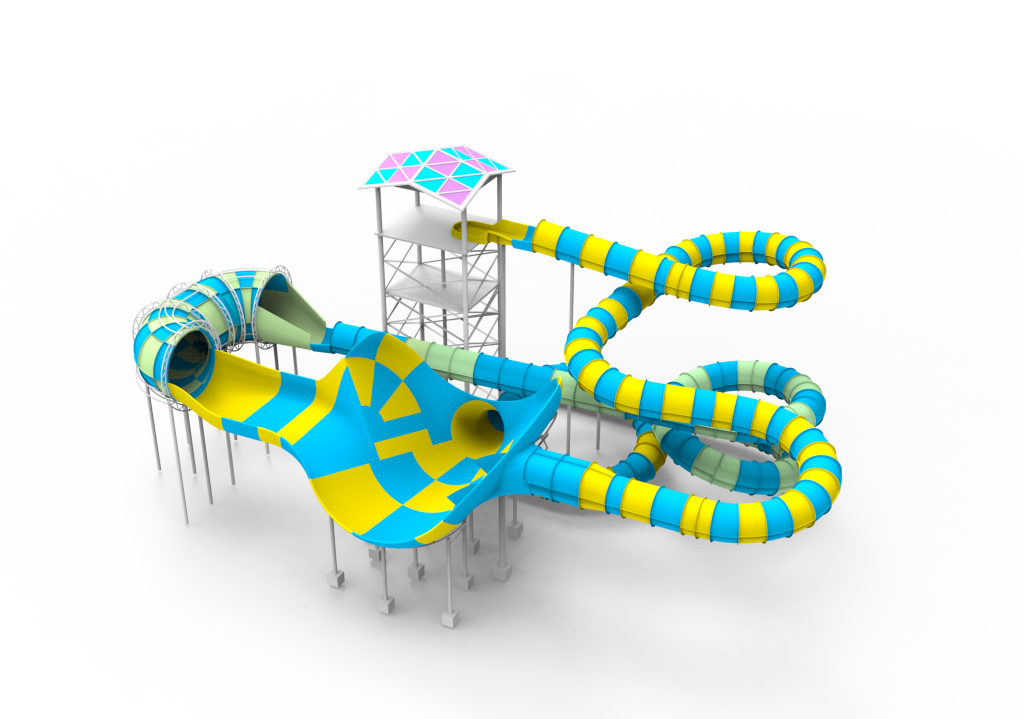
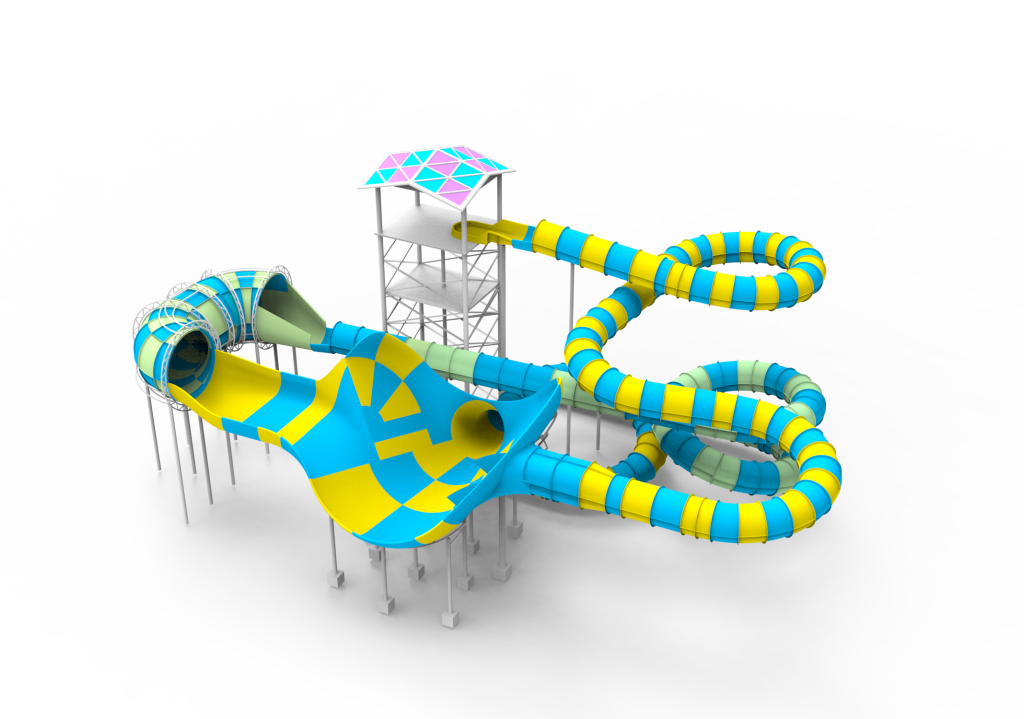
Think of lifecycle maintenance cost as everything you’ll spend after installation to keep a premium commercial outdoor water slide safe, fast, and open. That includes routine service, spare parts, structural upkeep, water treatment, and big-ticket refurbishments. If you’re sizing up a water coaster ride, this is the line item you can’t ignore.
Core cost components
Break it into clear buckets: preventive maintenance (pump runtime monitoring, filter swaps), consumables (chemicals, seals), repairs (gelcoat scratches, structural steel corrosion protection), and periodic overhauls (relining, replacement sections, mechanical upgrades). Labor and downtime matter too — a week-long shutdown is a revenue hit as much as a repair bill.
Ballpark numbers and a real-world anchor
Industry practice often treats annual upkeep at roughly 3–7% of initial capex for well-maintained, premium rides, with larger mid-life refurbishments at years 8–15 that can push total lifecycle spend to 30–50% of the original purchase price over 20–25 years. IAAPA and major U.S. park operators routinely plan on multi-year maintenance cycles; Orlando water parks, for example, budget for both frequent small fixes and scheduled major work before peak seasons. Those benchmarks help when you’re comparing vendors or building a business model.
Comparative scenarios: low vs. high maintenance realities
Scenario A: Higher upfront quality (superior gelcoat, UV inhibitors, thicker structural members) costs more initially but reduces emergency repairs and extends service intervals. Scenario B: Lower capex up front saves money today but increases corrosion, pump failures, and premature resurfacing. Over 20 years, the higher-quality build often costs less per operating hour — especially in salty or high-UV climates.
What operators actually get wrong — and how to avoid it
Operators underbudget two things: pump runtime monitoring and water chemistry control. Both cause domino failures — failed bearings, metal fatigue, biofilm in lines. Don’t skip scheduled diagnostics. Also, many choose cheap coatings, assuming they’ll swap them in five years — but downtime and labor can double the apparent savings. — Small thought: maintenance planning is more about discipline than cash.
Practical checklist for estimating your numbers
Use this when you build your pro forma:- Annual routine: track labor, parts, chemicals as a percent of capex (start with 4–6%).- Predict two mid-life refurb events over 20 years (budget 10–20% of capex each).- Add a contingency for unexpected structural fixes (5–10%).Also factor in pump runtime hours, seasonal load spikes, and local corrosion risks — those drive real costs.
Talking to vendors and what to ask
When you consult a water ride manufacturer, ask for lifecycle service plans, typical downtime statistics, and failure modes they see in similar climates. Request documented mean time between failures (MTBF) for pumps and valves, plus explicit warranty terms for gelcoat adhesion and structural components. Get recommended inspection intervals in writing — those become your maintenance playbook.
Golden rules — three metrics to pick the right strategy
1) Total Cost of Ownership (TCO) over 20 years: include capex, projected maintenance, and downtime losses. 2) Mean Time to Repair (MTTR) and Mean Time Between Failures (MTBF): shorter MTTR reduces downtime costs. 3) Refurbishment frequency vs. coating life: choose materials that double maintenance intervals, even if upfront price is higher.
Closing thought
Estimate conservatively, plan for mid-life refurb, and prioritize proven materials and diagnostics — that approach wins over time. Trust a disciplined plan and a strong partner like Dalang. —