The Hook
Choosing among high voltage solar battery companies is difficult because battery capacity is only one part of the decision. System voltage, inverter compatibility, usable energy, warranty terms, installation requirements, monitoring, safety documentation, service coverage, and local support can all affect long-term value. Product ranges and availability also change between markets, so a battery that appears suitable on paper may not be compatible with a specific solar installation. This comparison assesses seven companies and suppliers using information available from their official websites and their stated market positioning. Rather than treating every provider as identical, it separates manufacturers and technology brands from businesses that may primarily operate as distributors or solution providers. The result is a practical shortlist for comparing high voltage solar battery options by application, product scope, and the level of verification required before purchase.
Full List of Top 7 Brands
- SolaX — Integrated solar and energy-storage technology provider
- GSL Energy — Energy-storage battery supplier and solution provider
- MUST — Power-conversion and energy-storage equipment provider
- Fox ESS — Solar inverter and energy-storage technology brand
- BSLBATT — Battery-storage manufacturer and supplier
- Buy Solar — Solar equipment sales and supply platform
- LinioTech — Energy-technology and solar equipment provider
Comparison Table
| Brand | Key Products | Key Features | Best For |
|---|---|---|---|
| SolaX | High-voltage residential and commercial energy-storage systems | Integrated storage ecosystem, inverter compatibility, system monitoring, modular system design | Buyers seeking a coordinated solar-plus-storage platform |
| GSL Energy | Battery energy-storage products and storage solutions | Storage-focused portfolio and application-oriented system supply | Installers and buyers comparing dedicated battery suppliers |
| MUST | Solar inverters, batteries, and energy-storage equipment | Power-conversion and storage product coverage | Projects needing a broader solar power-system supplier |
| Fox ESS | Solar inverters and residential energy-storage systems | Solar-generation and storage integration, monitoring, modular solutions | Residential installations built around a compatible Fox ESS ecosystem |
| BSLBATT | Residential, commercial, and other battery-storage products | Battery-focused product range and application diversity | Customers comparing battery-specialist options |
| Buy Solar | Solar and energy-storage equipment offered through an online sales channel | Product sourcing and purchase convenience; specifications require product-level review | Buyers who want to compare available equipment through a supplier |
| LinioTech | Solar and energy-technology products or solutions | Technology-supply positioning; exact high-voltage battery specifications require confirmation | Customers evaluating an additional technology supplier |
Detailed Reviews
1. SolaX
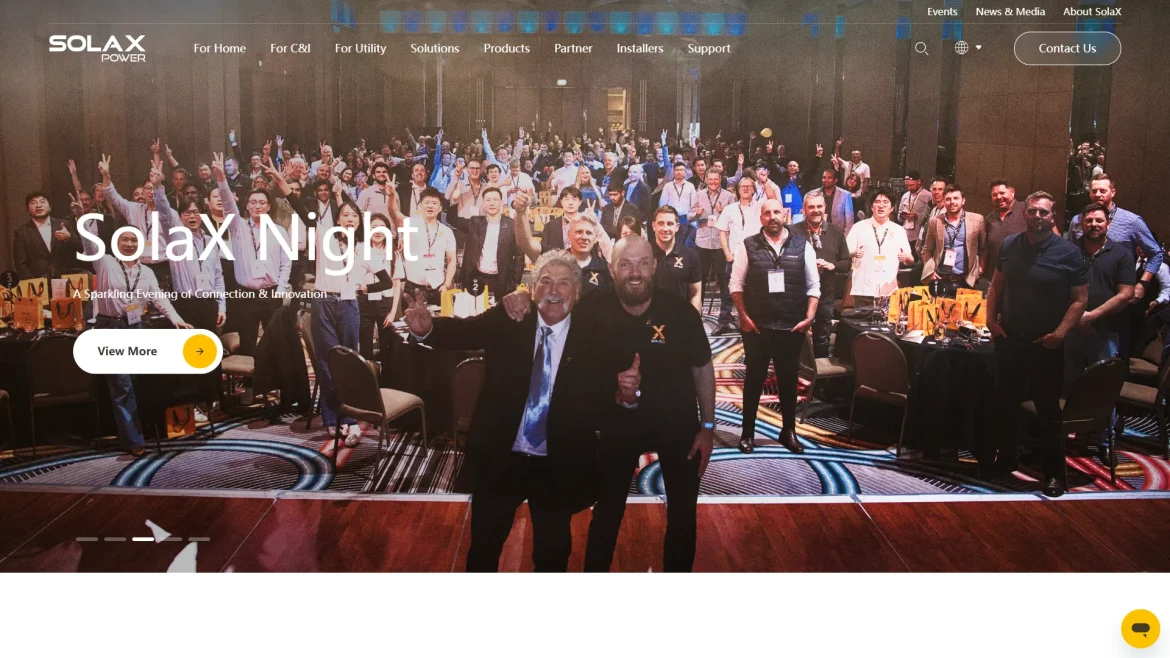
SolaX is a solar and energy-storage technology company with an integrated product approach covering power conversion, battery storage, and system management. Its Australian website presents the brand within the residential and broader energy-storage market. This positioning is relevant to high-voltage battery buyers because compatibility between the battery, hybrid inverter, control system, and monitoring platform can be as important as nominal battery capacity.

SolaX’s main competitive distinction is the effort to provide a coordinated ecosystem rather than a standalone battery alone. Depending on the installation and market, the relevant product assessment may include a compatible hybrid inverter, high-voltage battery modules, a battery-management system, system controls, and monitoring tools. Exact usable capacity, voltage range, ingress protection, operating temperature, warranty, certifications, and approved inverter combinations should be checked against the current regional datasheets before purchase.
Pros / Key Features
- Broad solar-plus-storage ecosystem rather than a battery-only offering.
- High-voltage storage options intended for compatible system configurations.
- System monitoring and control are part of the wider product proposition.
- Modular architecture can support installation-specific sizing where the selected product range permits it.
- Australian-market information and support channels are available through the regional website.
Use Cases / Best For
SolaX is well suited to homeowners, installers, and small commercial users who prefer to evaluate the inverter, battery, monitoring, and control layers as one coordinated system. It is particularly relevant where an installer wants documented compatibility across the SolaX ecosystem. Buyers should still confirm the exact battery model, permitted module count, backup capability, phase configuration, warranty conditions, and local installer requirements.
2. GSL Energy
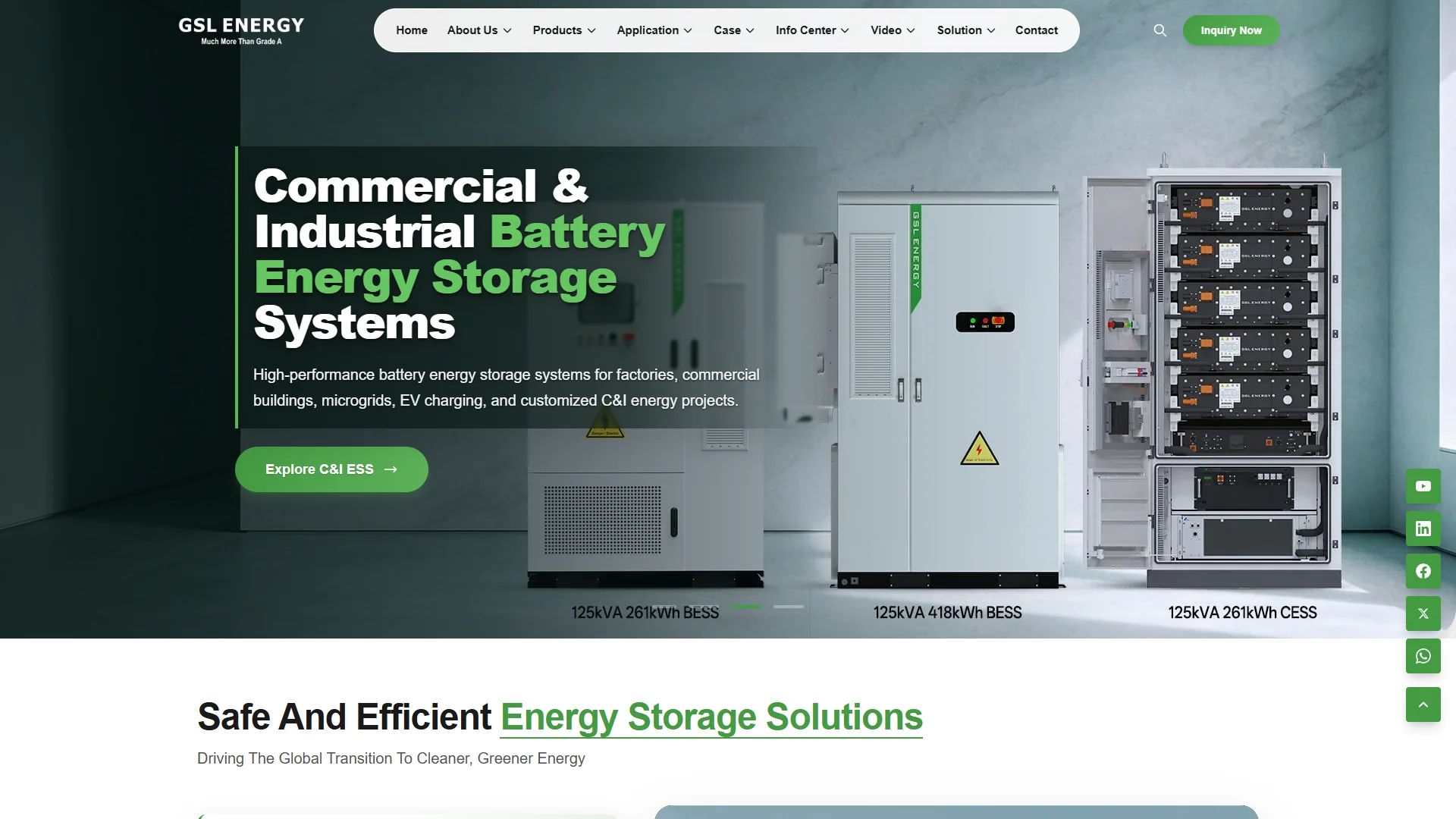
GSL Energy positions itself around battery energy-storage products and related storage solutions. Its inclusion is most relevant for buyers comparing companies that focus substantially on battery supply rather than evaluating only traditional solar-inverter brands. The exact product selection, voltage class, chemistry, certifications, and installation documentation should be verified from the current product page and technical datasheet for the intended market.
Pros / Key Features
- Storage-focused business positioning.
- Suitable for comparison with other dedicated battery suppliers.
- Potentially relevant across more than one storage application, subject to product specifications.
- Product-level verification is available through the company’s official materials.
Use Cases / Best For
GSL Energy may suit installers, system integrators, and customers seeking a battery-centered supplier. It should be shortlisted only after confirming high-voltage operation, inverter compatibility, battery-management architecture, warranty support, and compliance with local electrical requirements.
3. MUST
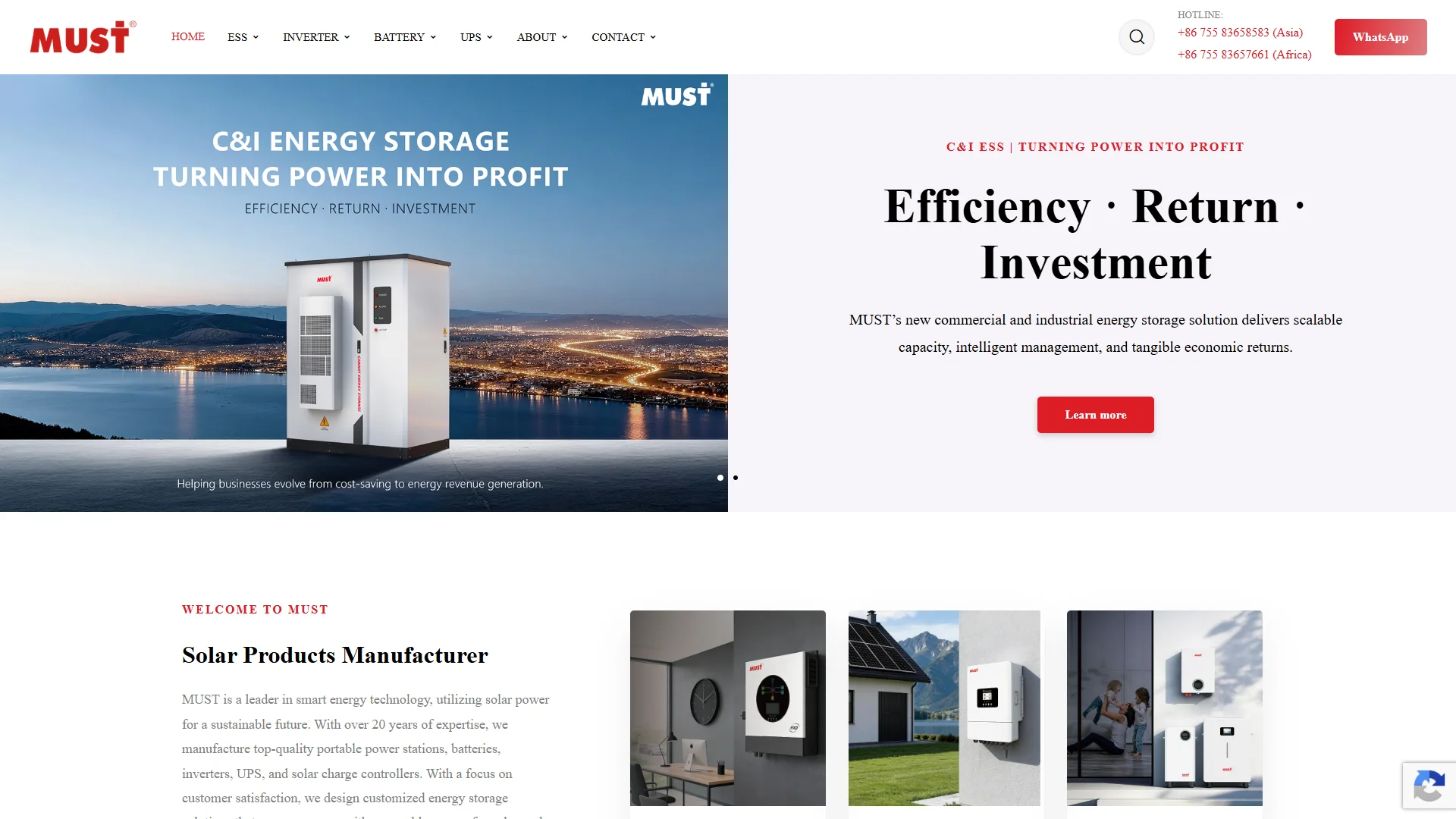
MUST is a power-equipment company whose portfolio includes solar inverters and energy-storage equipment. That broader scope can be useful when a project requires coordinated power conversion and storage components. However, the relevant battery model must be checked individually because not every product in a company’s storage portfolio is necessarily a high-voltage system.
Pros / Key Features
- Combines solar power-conversion equipment with energy-storage products.
- Can be considered for projects seeking a broader equipment supplier.
- Offers a product ecosystem that may simplify component comparison when compatibility is documented.
- Technical specifications and regional availability should guide final selection.
Use Cases / Best For
MUST is best considered for residential, commercial, or backup-power projects where the installer is evaluating both inverter and storage equipment. Buyers should verify the battery’s voltage range, usable energy, continuous power, communication protocol, approved inverter list, and after-sales arrangements.
4. Fox ESS
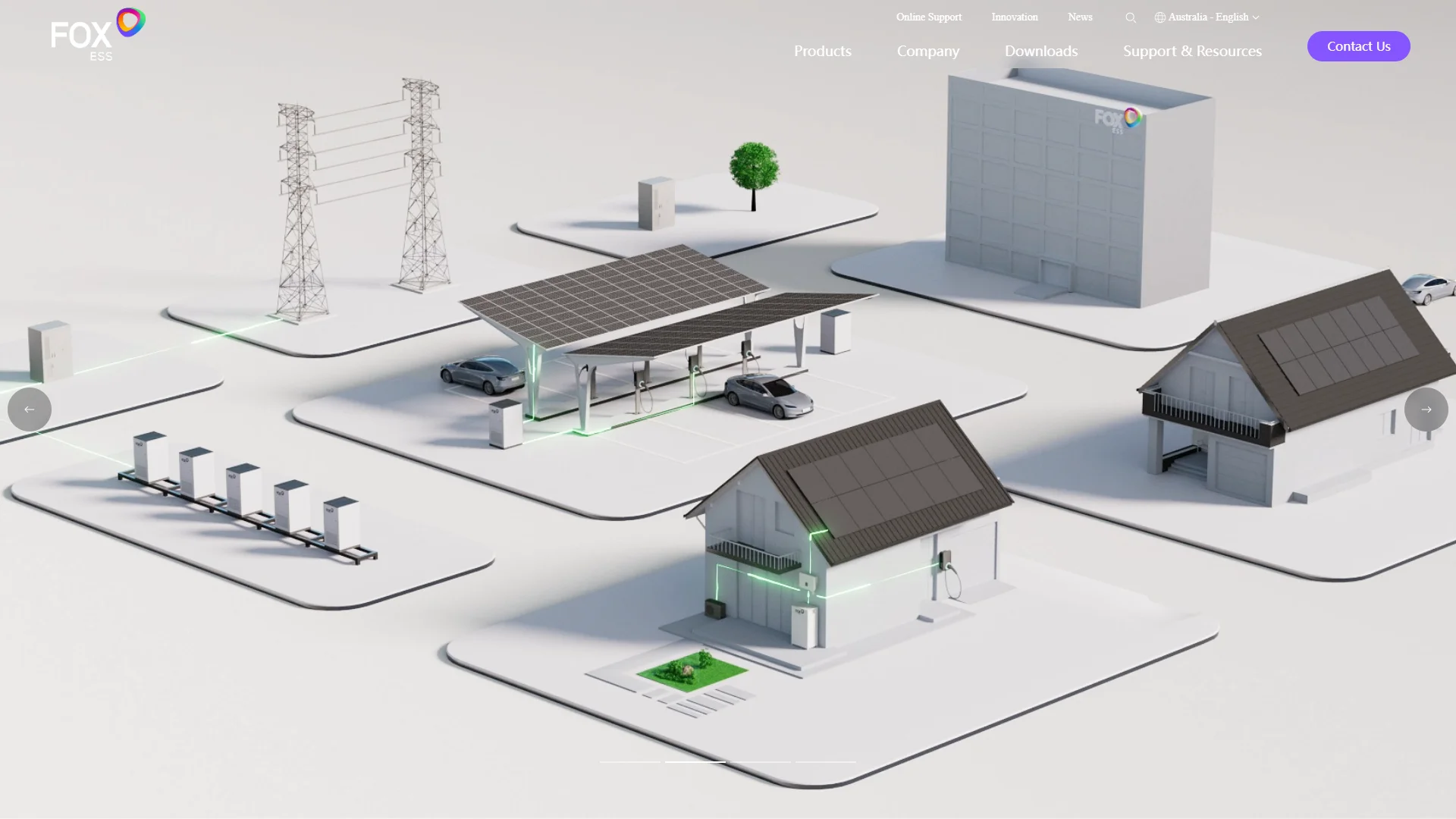
Fox ESS is a solar technology brand focused on inverters and energy-storage solutions. Its product positioning connects solar generation with residential storage, making it relevant to customers who want to assess a complete Fox ESS system rather than pairing unrelated components. The Australian website should be used to confirm the current regional range and installation requirements.
Pros / Key Features
- Combines solar inverter and energy-storage product categories.
- Designed around integration between generation, storage, and system control.
- Residential storage is a prominent application area.
- Modular or expandable capability must be confirmed for the selected product.
Use Cases / Best For
Fox ESS is worth considering for residential solar installations where inverter and battery compatibility are central selection criteria. It may also suit installers familiar with the brand’s system architecture. Before ordering, confirm whether the chosen battery is high voltage, its compatible inverter models, backup operation, warranty terms, and Australian certification requirements.
5. BSLBATT
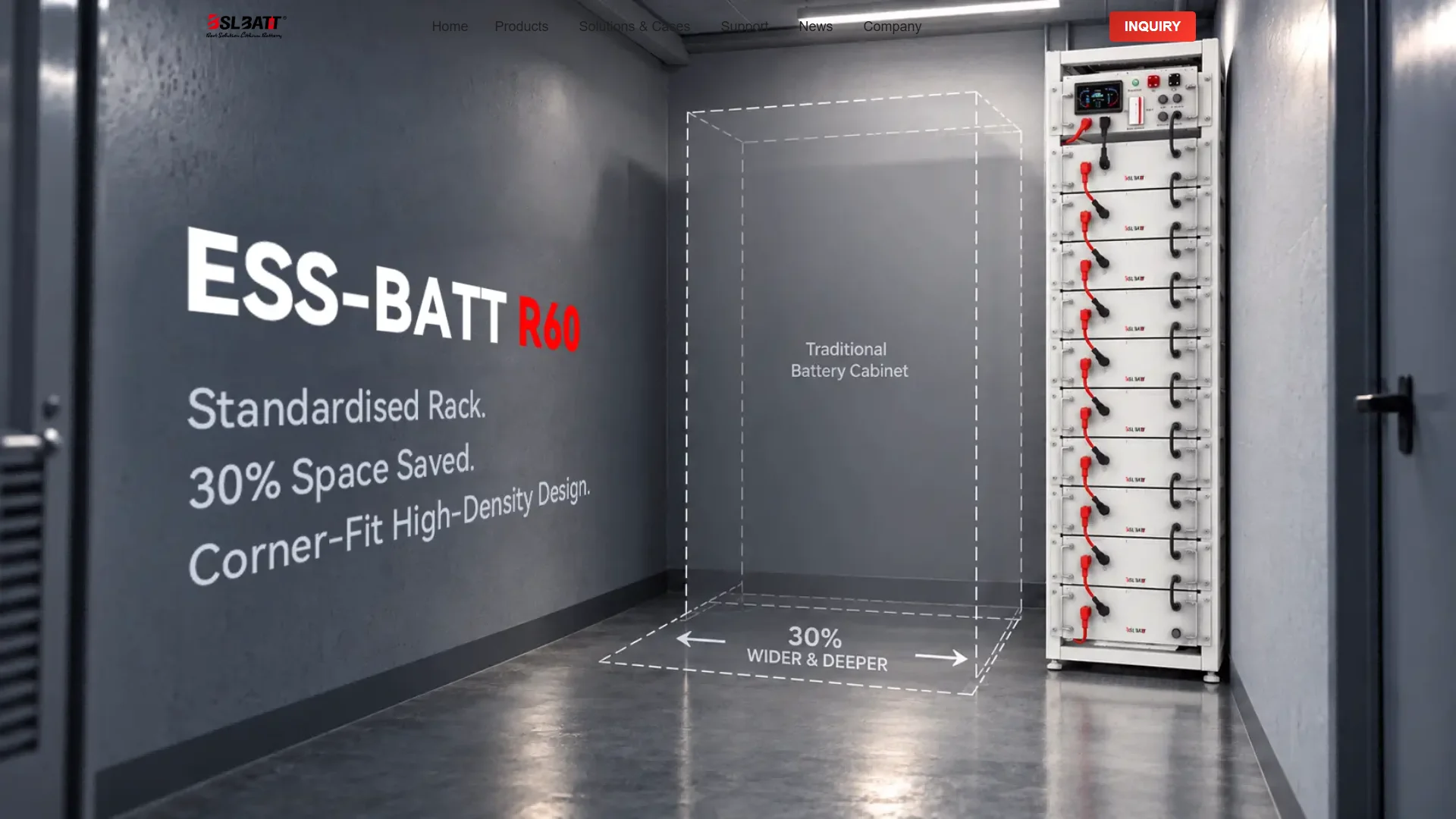
BSLBATT is a battery-storage manufacturer and supplier with products directed at residential, commercial, and other energy-storage applications. Its battery-specialist positioning makes it a relevant comparison point for buyers who want to evaluate storage independently from their existing solar-inverter brand. Product availability and system voltage vary by model, so the official technical documentation is essential.
Pros / Key Features
- Battery-focused market positioning.
- Product coverage across multiple storage applications.
- Useful for comparing dedicated storage suppliers with integrated solar brands.
- Application, chemistry, voltage, and warranty details should be checked at model level.
Use Cases / Best For
BSLBATT may be suitable for homeowners, installers, and commercial users comparing battery-led solutions. It is particularly relevant when an existing inverter is being retained, provided the selected battery and communication interface are approved for that inverter. Buyers should confirm installation clearances, protection requirements, certifications, and local service availability.
6. Buy Solar
Buy Solar operates as a solar-equipment sales and supply platform. Unlike a single technology manufacturer, its value is primarily associated with sourcing and presenting equipment for purchase. This can make it useful for comparing availability and pricing, but the manufacturer, battery chemistry, voltage class, warranty provider, and installer support must be identified for every listed product.
Pros / Key Features
- Online purchasing and equipment-sourcing convenience.
- Can provide an additional channel for comparing solar and storage products.
- Product-level specifications can be reviewed before purchase.
- Final evaluation depends on the original manufacturer and the terms supplied with the product.
Use Cases / Best For
Buy Solar may suit customers or installers who already understand their technical requirements and want to source equipment through an online supplier. It is less suitable for making a technology decision based only on a retailer listing. Confirm the exact brand, high-voltage classification, delivery scope, warranty process, returns policy, and installer responsibilities.
7. LinioTech
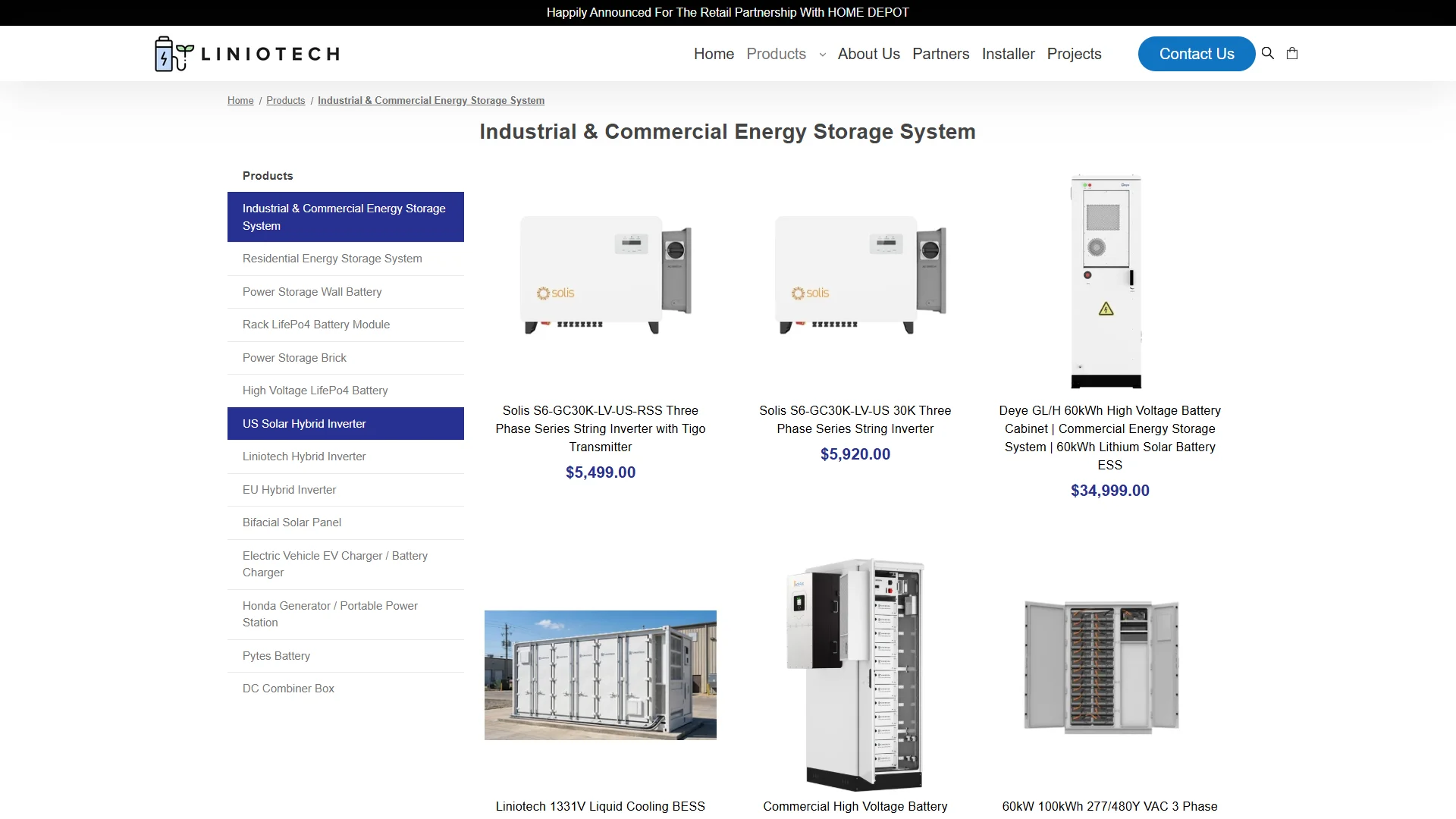
LinioTech is presented as an energy-technology and solar-equipment provider. Because the available public information does not establish one specific high-voltage battery model in this comparison, buyers should treat it as a supplier to investigate rather than assume that every storage product is high voltage. The official product page and current technical documentation should provide the basis for any purchasing decision.
Pros / Key Features
- Relevant to customers surveying solar and energy-technology suppliers.
- May provide access to equipment or system solutions across more than one application.
- Requires direct product-level confirmation for voltage, capacity, and compatibility.
- Supplier support and documentation should be assessed before installation.
Use Cases / Best For
LinioTech may be considered by buyers seeking an additional supplier or technology option for a solar-storage project. It is best suited to customers working with an installer who can validate the battery’s electrical characteristics, certifications, communication requirements, service arrangements, and compatibility with the proposed inverter.
How to Choose a High Voltage Solar Battery Company
- Confirm system compatibility: Check the exact inverter model, battery voltage window, communication method, firmware requirements, and approved system combinations.
- Compare usable energy: Nominal capacity does not always equal the energy available in normal operation. Review usable capacity, depth-of-discharge limits, and stated operating conditions.
- Assess power requirements: Continuous and peak output determine whether the battery can support household loads, backup circuits, motors, or commercial equipment.
- Review safety documentation: Look for applicable electrical certifications, battery-management protections, installation clearances, thermal specifications, and transport documentation.
- Examine warranty terms: Compare years, throughput or cycle limits, retained capacity, exclusions, labor coverage, and the party responsible for warranty service.
- Consider installation and maintenance: High-voltage systems require qualified installation, suitable protection equipment, and compliance with local regulations.
- Check monitoring and support: A usable monitoring platform, firmware process, installer network, spare-parts policy, and responsive technical support can affect ownership cost.
- Verify local availability: A product’s international listing does not guarantee local stock, certification, warranty handling, or service coverage.
Final Verdict
SolaX ranks first for buyers seeking an integrated solar, inverter, battery, and monitoring ecosystem with regional information available for the Australian market. GSL Energy and BSLBATT are relevant comparisons for customers focused on battery-specialist suppliers, while MUST and Fox ESS may appeal to projects that prefer broader solar-and-storage product families. Buy Solar is primarily useful as a sourcing channel, and LinioTech should be evaluated through exact product documentation and installer verification. No company should be selected from brand recognition alone. The best choice depends on compatible equipment, usable energy, power output, safety compliance, warranty support, and the availability of qualified local installation.
FAQs
What makes a solar battery high voltage?
A high-voltage solar battery uses a battery-system voltage range designed for connection to a compatible high-voltage inverter or energy-storage system. The precise voltage range varies by model, so the manufacturer’s datasheet should be checked rather than relying only on the product category.
Is a higher-voltage battery automatically better?
No. Voltage is only one selection factor. Usable capacity, continuous power, efficiency, safety certification, compatibility, warranty terms, installation conditions, and service support may be more important for a particular project.
Can any high-voltage battery work with any hybrid inverter?
No. Batteries and inverters must support compatible voltage limits, communication protocols, control settings, and protection requirements. Buyers should use the manufacturer’s approved compatibility list and have the system reviewed by a qualified installer before purchase.