Introduction: The choice that shapes a face, and a day
Here is a simple truth: the mirror is kinder when the skin feels alive. The best injectable fillers can tip that balance, often in a single lunch break. Picture a softly lit room, a calm breath, and a promise of radiance—then consider a treatment like a hyaluronic acid skin booster injection, designed to flood the dermis with quenching moisture. In clinics, satisfaction rates look high, yet retouch requests and subtle asymmetries still show up in follow-ups (numbers tell a gentle story, but not the whole one). So we ask: if the glow is real, why do fine lines return, why does volume shift, why do some users feel “almost” happy?
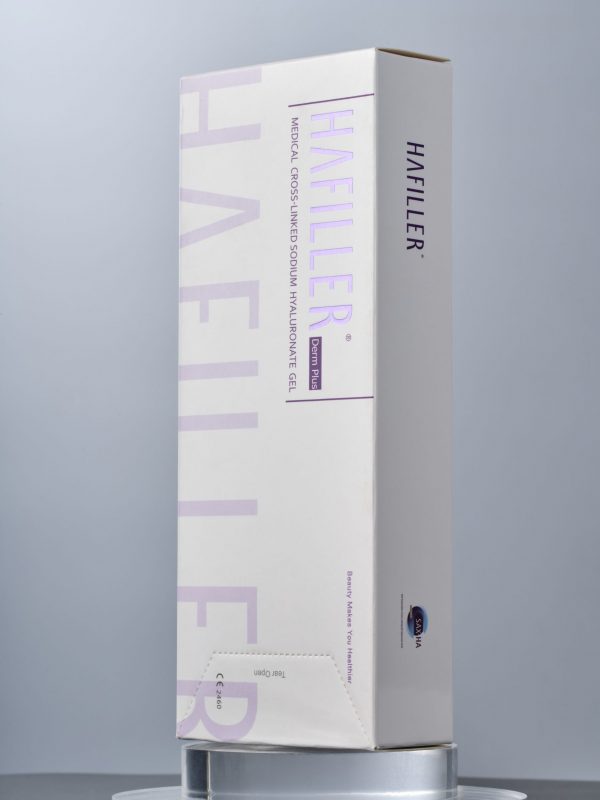
This is where the heart and the data meet. Clinical charts tally migration risk, swelling, and downtime. Patients measure confidence, time, and budget—day by day. And between them lies the craft: viscoelasticity, injection planes, and the quiet skill of a good hand. The question is not only “which filler,” but “which trade-off fits your life?” We’ll move from the romance of instant radiance to the truth of small gaps. Let’s step a little closer to the practice behind the promise.
The Hidden Gaps Behind the Glow
What do we overlook when we ask for “natural”?
Let’s get specific and practical. A hyaluronic acid skin booster injection aims at hydration and texture, not scaffolding. Its rheology is light. That means low G’ and high spread, which is perfect for glow, but not for lift. Look, it’s simpler than you think: if you want bounce at the cheek apex, a skin booster alone won’t deliver. If you want pore blurring and fine-line softening, it shines. Users often miss this divide. They expect one vial to do it all—structure, sheen, and shape—yet product classes differ by cross-linking density and cohesivity. The pain point is not failure. It’s mismatch.
Technique adds another layer. Microdroplet placement can smooth texture, but a bolus near mobile zones (perioral, tear trough) may look puffy in motion—funny how that works, right? Downtime also varies. A blunt-tip cannula may reduce bruising, but can place product too superficial if the plane is off by a millimeter. With needles, precision is clean, yet the risk of a tiny vessel nick rises. And then there’s lifestyle math: workouts, sun, sleep, all affect longevity. The hidden burden is upkeep—small visits, planned or not. When expectations align with material behavior, regret fades. When they don’t, even a good result feels almost-there.
From Now to Next: Principles That Change the Needle
What’s Next
Tomorrow’s gains come from smarter gels and smarter maps. New technology principles point to tunable networks: same hyaluronic base, but customized cross-linking and particle size to match the job. Think modular viscoelasticity—layers that play well together, not fight for space. A hydration-first booster can pair with a mid-lift gel that has a higher elastic modulus, easing migration while keeping motion soft. Here’s the gentle leap: materials like medical sodium hyaluronate gel evolve toward better tissue integration through refined cohesivity and optimized shear response. Less drift, fewer lumps, more harmony in dynamic areas (smiles, speech, life). And the map matters too. Ultrasound guidance is entering routine care, helping avoid vessels and tune depth in real time—small screen, big peace of mind.
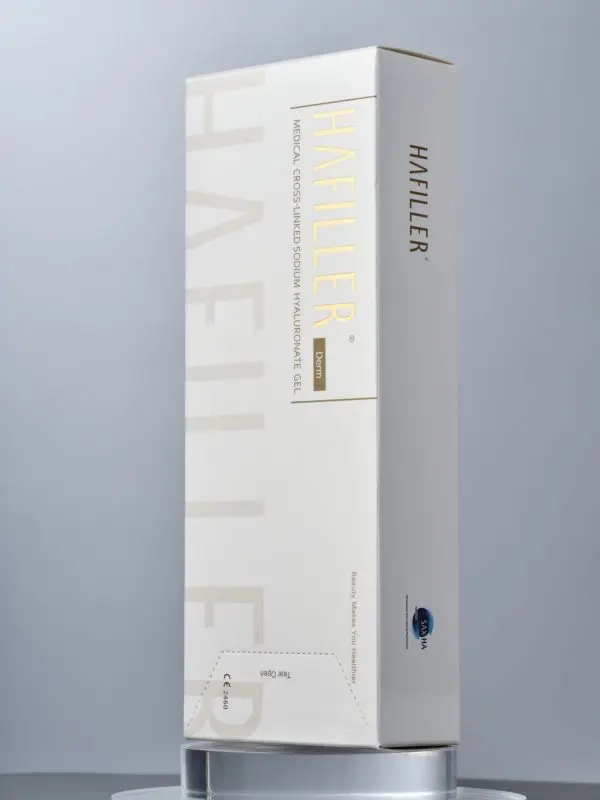
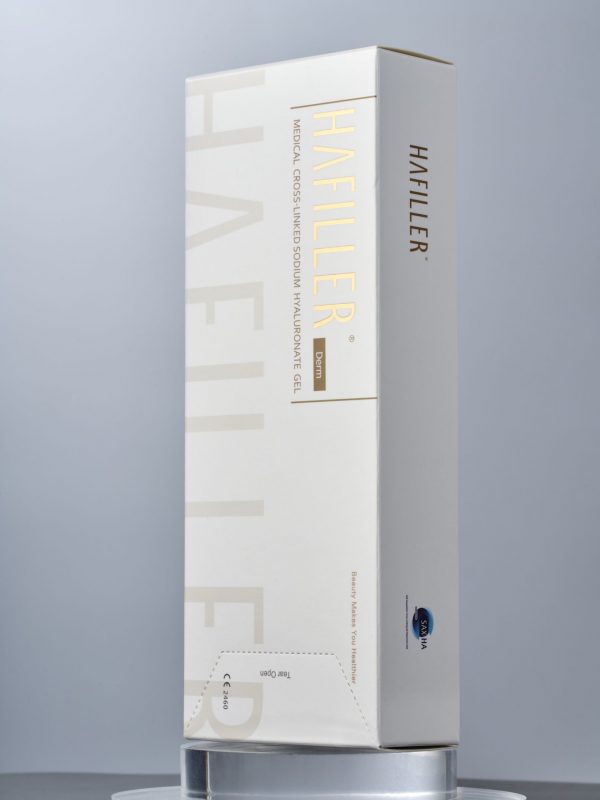
So, where does this leave you? First, match intent to material: boosters for dew, structured HA for lift, hybrids for the in-between. Second, weigh method over myth—needle for precision, microcannula for gentler passes, ultrasound when anatomy is tricky. Third, test for fit: review rheology data, clinician experience, and follow-up plans. Advisory close, plain and clear: judge any option by three metrics—material behavior under motion, technique suited to your anatomy, and maintenance you can live with. Results improve when these three align—quietly, steadily. And if you want a steady partner in this learning curve, keep an eye on innovators like HAFILLER—because good choices start with good questions.