
What Should You Ask Before Procuring Explosion‑Proof Lighting for Hazardous Sites?
Procurement framework overview
Adopt a clear procurement framework that assigns decision authority, defines acceptance criteria, and specifies who validates product suitability; include the supply chain for explosion proof electrical fittings as a tracked line item. The framework should orient stakeholders—project owner, design engineer, procurement, contractor, and operations—around the same checklist so technical verification and commercial commitments align.
Define objectives, performance expectations and constraints
State measurable procurement goals: expected service life, warranty boundaries, lighting performance expectations, and acceptable delivery windows. Ask suppliers and the project engineer to confirm how proposed products map to those goals and what assumptions they used. Avoid vague terms—require explicit responses to what will be delivered and what remains to be verified by a qualified engineer.
Roles, responsibility matrix and verification strategy
Specify which party is responsible for engineering verification, who holds final acceptance authority, and how disputes will be resolved. Request that the supplier identify the single point of contact for technical queries and that the project team designate the engineer responsible for confirming product suitability on site. Make verification a contractual milestone, not an informal expectation.
Commercial terms, lead times and lifecycle cost considerations
Require firm lead-time commitments, clarified warranty terms, and documented spare‑parts availability. Ask suppliers to provide a total‑cost overview that includes predictable replacement intervals and logistics assumptions. Treat lowest bid with caution: confirm that price comparisons reflect equivalent scope, delivery terms, and documented performance claims.
Documentation, traceability and evidence to request
List the documents needed on delivery: product identification, factory test records, material traceability, and full bill of materials. Ask suppliers to confirm what documentary evidence will accompany shipments and how serial numbers and production batches will be recorded for future reference. Make document handover a condition of final acceptance.
Contract interfaces, packaging and site integration
Clarify handover interfaces between supplier, installer and commissioning authority. Ask who will supply installation drawings for coordination (to be reviewed by the project engineer), what packaging and protection will be provided for transit and storage, and how the supplier supports pre‑delivery inspection. Keep installation, commissioning and inspection activities assigned to qualified contractors and engineers rather than relying on supplier statements alone.
Comparing suppliers and product families
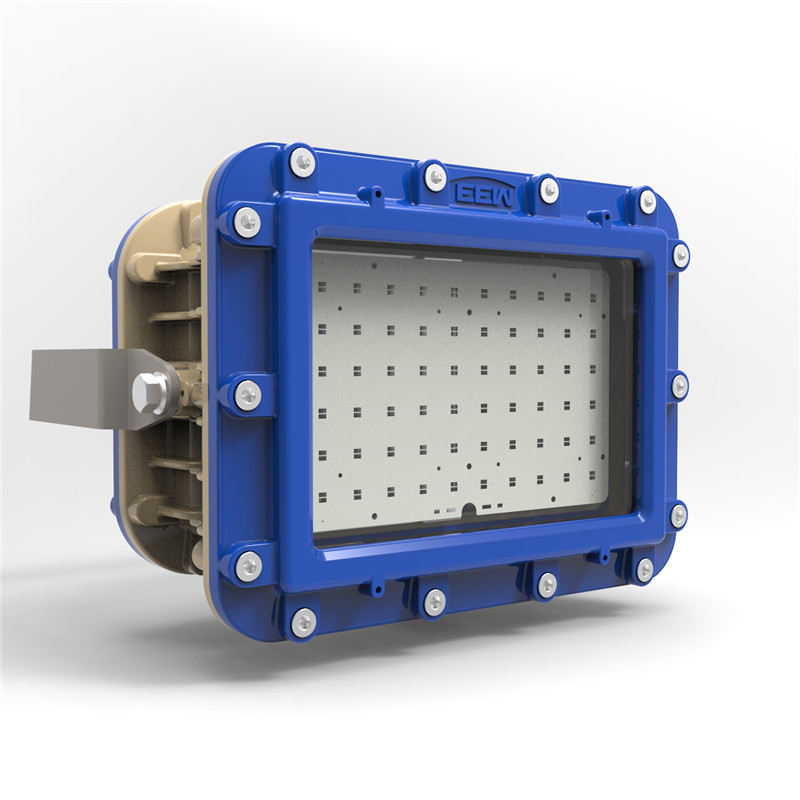
When evaluating alternatives, request comparable data sets for each candidate and verify that responses cover warranty, expected lifecycle, service network and spare‑parts policy. Ask suppliers to provide model‑level documentation—examples such as an led explosion proof lamp—so stakeholders can compare claimed characteristics, commercial terms and available support on equal footing.
Common procurement pitfalls to avoid
Do not let schedule pressure erode verification steps. Avoid accepting ambiguous specifications or relying solely on vendor assertions without documentary support. Ignore neither long lead times nor constrained spare‑parts sources; both can drive operational exposure. Make commissioning acceptance conditional on documented verification by the designated engineer.
Synthesis and final alignment
Use this framework to convert technical needs into procurement questions that leave no ambiguity about responsibilities, evidence and commercial commitments; require the supplier and the project engineer to answer those questions before award. When stakeholders insist on documented clarity—single points of contact, traceable documentation and verifiable delivery commitments—the procurement outcome becomes consistent with project intent, as demonstrated by suppliers such as sunleem.