
Introduction — scenario, data, question
Are your daily production goals really tied to what happens on the shop floor? I ask that because I’ve walked into plants where the scoreboards told a rosy story while floor managers were quietly losing sleep. A CNC turret lathe often sits between a production target and the actual output — and when setup, cycle time, or tool wear drifts, the finance team notices fast (profit margin shrinks; cost per part climbs).
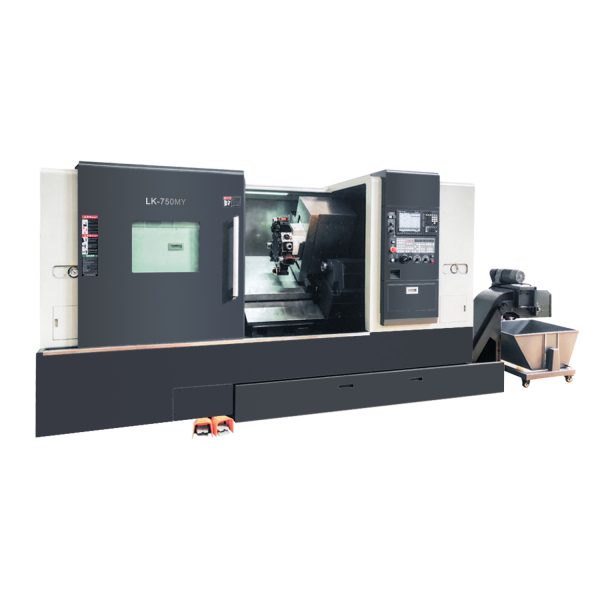
I recently worked with a mid-sized job shop that missed its quarterly delivery promise by 12% while machine utilization slid to 68%. That gap translated to lost revenue and overtime costs that weren’t planned. So I wondered: why did planning assumptions fail when the machines were modern and the staff experienced? What single thread was pulling variance through orders, scheduling, and margin? Let’s unpack the practical weak points and move from observation to action.
Where traditional fixes break: twin turret lathe pain points
twin turret lathe setups promise fast cycle times and flexible tooling, but I’ve seen several hidden failure modes that managers overlook. First, tooling overlap: two turrets competing without clear tool life tracking creates unplanned downtime. Second, turret index timing and spindle speed mismatches lead to scrap spikes. Third, control parameters — feedrate and dwell — are often tweaked ad hoc on the floor, not fed back to planning. Technically, the machine is capable; operationally, the process isn’t.
Why do standard setups fail?
Look, it’s simpler than you think: the vendor spec covers capability, not stable repeatability. We see issues with CNC servo tuning, inconsistent tool offsets, and insufficient fixture repeatability. Staff changeovers and informal workarounds — those shortcuts everyone nervously accepts — erode predictability. When I audit these lines, I trace most variance to three sources: tooling management, process parameter drift, and weak feedback loops to scheduling. The fixes are not magic. They’re process engineering, measurement, and a bit of discipline — funny how that works, right?
New principles and practical metrics for future-proofing
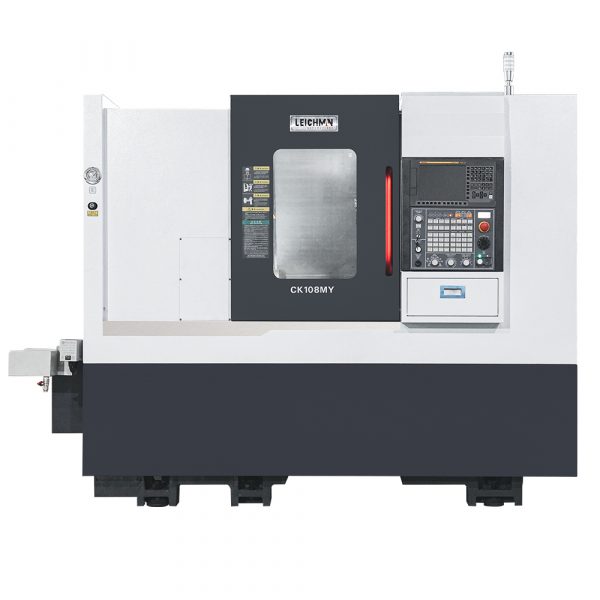
Moving forward requires new principles around data, control, and validation. For instance, embracing closed-loop feedback between the shop floor and planning — real-time spindle load, turret index logs, and automatic tool-change counters — turns guesswork into measurable inputs. When we evaluate upgrades, I focus on systems that expose cycle time components and variation sources. That’s where a compact solution like a mini lathe turret can fit nicely: it lowers setup friction while giving clearer changeover metrics.
What’s Next — practical outlook
Here are three metrics I recommend you track when choosing or tuning solutions: first, effective throughput per spindle (actual completed parts/hour under normal shift conditions); second, mean time between tool changes (MTBTC) tied to quality losses; third, variance in cycle time per part family (standard deviation). Use these to compare proposals and to set measurable improvement targets. I’ve tested this approach; it’s pragmatic, and it produces results you can show in a P&L meeting. — and yes, it takes some cultural shift, but the ROI appears quicker than most expect.
In the end, I believe the right mix of measurement, modest automation, and clear operational rules will close the gap between targets and reality. We can reduce surprise downtime, protect margins, and make planning credible again. For those considering equipment or process changes, start with the metrics above and validate improvements on a few part families before scaling. If you want a practical partner in that work, consider tools and machines from Leichman.