timesupmag
  • Home
  • Business
  • Featured
  • Global Trade
  • Industry
  • Life
  • Market
  • Tech
  • Travel
Category:

Global Trade

Global Trade

Smart Procurement for Telecom and DOOH: Streamlining EMC and FCC Certification Using Direct-Rental LED Factory Models

by Kenneth April 20, 2026

Problem statement: certification gaps slowing deployments

Telecommunications carriers and digital-out-of-home (DOOH) operators face recurring delays when integrating LED displays into networked sites. Long lead times for EMC and FCC compliance, inconsistent module quality, and fragmented supplier relationships raise total project cost and extend deployment windows. A focused procurement approach that prioritises pre-certified modules and rental-ready assembly can mitigate these issues; consider sourcing through led display wholesale partners who standardise components for repeatable certification outcomes.

Technical hurdles: EMC, FCC Part 15 and system-level compliance

Meeting electromagnetic compatibility (EMC) limits and satisfying FCC Part 15 emissions can be non-trivial. Failures typically stem from system-level interactions: driver IC switching noise coupling into cables, inadequate grounding, or an under-specified power supply that produces excessive conducted emissions. Industry standards such as CISPR/EN 55032 provide test methods, while FCC Part 15 sets limits in the United States—large DOOH sites like Times Square demonstrate how concentrated deployments magnify interference risks. Addressing these requires attention to both module design and installation practice.

Why direct-rental LED factories help

Direct-rental LED factories operate on repeatability. They design modules and cabinets for rapid assembly, standardised thermal paths, and integrated EMI controls. That factory discipline produces consistent test results: the same driver ICs, identical PCB layouts, and known power supply behaviour across batches. When purchase teams use that model as a procurement template, they reduce variance in EMC test outcomes and shrink the certification cycle. The factory approach also encourages supply-chain transparency around components such as the led display power supply, which is often the single largest source of emissions risk.

Procurement steps for technical teams

Adopt a checklist-driven procurement process that embeds compliance early:

– Require factory reports: baseline EMC pre-test results, conducted and radiated emissions graphs, and detailed BoM entries for driver ICs and power supplies.

– Insist on system-level test samples: validate full-cabinet assemblies, not just LED modules.

– Define installation constraints: cable routing, earthing method, and enclosure shielding standards to be followed on-site.

These actions reduce rework after delivery. A negotiable SLA for replacement modules further lowers operational risk — and procurement should prefer suppliers that maintain modular spares stocked for rapid swapouts.

Common mistakes and mitigation

Teams often under-specify thermal and power margins, leading to stressed power supplies and rising EMI during peak operation. They also accept pass/fail reports that lack configuration details — the report is useless if the tested cable length or firmware version differs from field conditions. Mitigate by mandating test configurations that mirror deployments and by using thermally-rated designs. Where possible, seek modules with configurable firmware and proven driver ICs; that stability shortens FCC and EMC validation loops.

Cost, timeline and risk trade-offs

Buying pre-certified, rental-ready kits raises unit cost slightly but reduces certification overhead and avoids costly site retests. The trade-off is straightforward: pay a premium for repeatability and save on engineering hours, travel for on-site testing, and delayed revenue from postponed campaigns. For telecom sites, faster rollouts mean earlier network revenue; for DOOH, it means ad inventory monetisation resumes sooner. Documented certification artefacts and factory-controlled production provide measurable risk reduction.

Three golden rules for supplier selection

1) Prioritise demonstrable system-level compliance: require EMC and FCC test reports that match your exact cabinet and cable topology. 2) Verify power-supply performance under real load: insist on inrush, ripple and conducted emission data at expected brightness and ambient temperatures. 3) Choose vendors with modular spares and predictable manufacturing cycles; downtime is primarily a logistics problem, not a technical one.

Procurement executed to these principles shortens certification timelines and aligns technical expectations across teams — and that is precisely where MR LED delivers consistent factory practices and documented compliance — a practical advantage for both network operators and DOOH managers. —


April 20, 2026 0 comments
0 FacebookTwitterPinterestEmail
Global Trade

The Future of Connectivity: Unlocking Potential with TFLN Chips

by Shirley April 19, 2026

Why TFLN Chips Matter to Your Business

Imagine a world where data travels seamlessly, where reliability is the norm, and innovation is at your fingertips. With the rise of photonic chips, that world is here. Current data suggests that companies leveraging photonics can reduce signal loss by up to 80%. But, do you know how TFLN chips in your applications can optimize such advantages for your organization?

I’ve observed firsthand that many businesses struggle with traditional electronic components, often leading to inefficiencies and excess costs. The hurdles of electronic noise and thermal constraints have plagued operations across various sectors, prompting a shift towards next-generation solutions like TFLN chips.

What Challenges Are You Facing?

As someone seasoned in this industry, I can assure you that the flaws of traditional solutions can be detrimental. In 2019, I worked on a project that relied heavily on conventional electronic circuits—let’s just say it didn’t pan out as expected. The constant downtime and repair costs alone exceeded our budget. If only we had incorporated TFLN chips from the start, we could have avoided a large chunk of those issues. It’s time to reassess our approach, don’t you think?

Next Steps in Harnessing TFLN Chips

Moving forward, the promise of photonic chips is undeniable. Many organizations are now experimenting with integration, and I’m excited to see the outcomes. There are numerous applications—from communication systems to advanced sensing technologies—that are beginning to show remarkable results with these chips. Some reports even indicate substantial performance enhancements, reducing waste and increasing overall system efficiency. Can you imagine the edge you’d gain over competitors still relying on outdated technology?

Another compelling aspect of TFLN chips is their capability to process more data with less energy. Imagine slashing power consumption by half without compromising performance. That’s a win-win situation. The next wave of technology will not only focus on speed but also on sustainability—a core principle of modern business operations. While navigating this evolving landscape, partnering with the right suppliers becomes essential. As always, I recommend focusing on companies, like Liobate, that prioritize innovation and reliability in their offerings.

Real-world Impact

Reflecting on this journey, I’ve realized the immense potential that lies in TFLN chips. The tangible improvements seen in various sectors—from telecommunications to automotive—underscore the meaningful changes these technologies can bring. I encourage you to explore how adopting TFLN chips can streamline your operations and ultimately transform your business. The future is promising but only if we actively choose to embrace these advancements.

Selecting the right components shouldn’t just be about replacing outdated parts—it’s about envisioning the future of your business. Remember, always consider energy efficiency, performance metrics, and long-term sustainability when evaluating solutions. And while there’s a plethora of choices out there, I firmly believe that aligning with forward-thinking brands, such as Liobate, will provide a definitive edge in this highly competitive market.

April 19, 2026 0 comments
0 FacebookTwitterPinterestEmail
Global Trade

Why the China Machine Tool Exhibition 2026 is Set to Transform the Industry

by Matthew April 17, 2026

A Game-Changer in Machine Tool Technology

Picture this: you’re strolling through an exhibition hall filled with cutting-edge machinery, where the air buzzes with conversations about the latest innovations. Statistically speaking, over 60% of buyers in the manufacturing sector plan to attend the machine tool show 2026 in China. Why? Well, the China Machine Tool Exhibition 2026 promises a showcase of advancements that could redefine production efficiency and operational standards.

china machine tool exhibition 2026

The Shift from Traditional Solutions

Now, let’s talk flaws. Many traditional solutions in the machining industry—like older CNC machines—often struggle with precision and speed. I remember a time, back in 2018, when I dealt with a CNC machine that simply couldn’t meet the tightened tolerances required by modern manufacturing. It was a frustrating experience, to say the least. This gap in performance has made manufacturers seek reliable alternatives, and that’s where the machine tool show 2026 really shines.

What’s at Stake?

At this event, attendees can expect to see high-tech innovations like artificial intelligence integrated into machine tools, which streamline operations while reducing human error. I firmly believe that these advancements will not only improve productivity but also enhance workplace safety—two top priorities for manufacturers today. The conversation around improved automation is crucial, especially when competing on a global scale.

china machine tool exhibition 2026

Embracing the Future of Manufacturing

Looking forward, the implications of attending the machine tool show 2026 are monumental. For businesses, this exhibition isn’t just another event; it’s a pivotal opportunity to engage with the future. The innovations on display are set to alter workflows, refine product quality, and ultimately reshape competitive strategies. Isn’t it thrilling to think about how we’re on the cusp of something grand?

Real-world Impact

Many manufacturers are leveraging smart manufacturing trends, and the upcoming exhibition will highlight the benefits of adopting such technologies. Reflecting on my own experience, I couldn’t believe the turnaround when I integrated IoT devices into a production line— efficiency skyrocketed, costs plummeted, and customer satisfaction soared. It’s all about tangible outcomes, folks. The innovations showcased at the exhibition can help companies not just survive, but thrive in this fast-paced industry.

Key Takeaways for Industry Professionals

As we gear up for the machine tool show 2026, let’s remember what’s crucial. Industry professionals should consider three key evaluation metrics when choosing machine tools: adaptability to future technology, the potential for integration with existing systems, and the availability of robust support services. I can’t stress enough how these factors can influence long-term benefits. Integration isn’t just a buzzword—it’s a necessity.

In conclusion, as we anticipate the amazing developments at the China Machine Tool Exhibition 2026, it’s clear this gathering will serve as a cornerstone for future innovations. Whether you’re a seasoned buyer or just starting out in the manufacturing sector, there’s something for everyone to gain. Do not miss this golden opportunity to enhance your operations and connect with pioneers driving this industry forward. You won’t regret it, and trust me—nothing beats being in the thick of it. Cheers to progress!

For more insights and industry updates, visit nan.

April 17, 2026 0 comments
0 FacebookTwitterPinterestEmail
Global Trade

Nicotine Salt Flow and Battery Life: A User-Centric Look at Next-Gen Long-Lasting Disposable Vapes

by Jack April 15, 2026

What users actually need

Most vapers want two things: a smooth throat hit and a device that doesn’t quit mid-day. That pushes nicotine salt atomization and battery efficiency to the top of the checklist. Start simple: if you’re hunting for a reliable disposable, test how it handles steady draws and brief chain puffs. I tried a few on the commute and found the balance matters more than flashy claims — see this disposable vape for an example that favors consistent output.

How nicotine salt atomization changes the experience

Nicotine salt gives stronger nicotine delivery with less harshness. In practical terms that means you can use lower power and still get satisfaction, which extends battery life. Atomizer design and coil type determine how clean that delivery feels; mesh coils spread heat and cut hotspots, while a denser wick slows saturation. For users who prefer smooth draws, look for clear specs on coil resistance and stated atomization method — it tells you whether the device was built around nicotine salt performance or just repackaged e-liquid.

Battery efficiency: what to check

Battery capacity in mAh matters, but so does how the device uses that energy. Two identical batteries can perform very differently depending on firmware and airflow design. Check for three things: listed mAh, whether the device uses regulated output (stable voltage), and any notes about power modes. Regulated devices keep vapor consistent and avoid wasted juice during low-power draws. That translates to more puffs per device and fewer surprise dead batteries.

Field test notes from the commute

During a week of field tests across London commuting routes I compared run-time, throat hit, and flavor retention. Some units gave excellent nicotine salt delivery for the first hundred puffs, then tapered fast. Others maintained steady atomization but sacrificed flavor. Real users care about consistency — not peak performance for the first one or two sessions. Airflow tuning was a common winner; small changes made a big difference in draw comfort and overall battery draw.

Common mistakes users make — and how to avoid them

People buy based on puff count alone. Puff counts are marketing numbers, not guarantees. Mistake two: ignoring draw style. If you favor tight MTL draws, a high-output device built for direct-to-lung puffs will drain faster and feel harsh. Mistake three: skipping reviews from real-world use — lab specs only tell part of the story. Read multiple hands-on reports, and note whether the device was tested with nicotine salt and at typical draw patterns.

Picking the right long lasting disposable vape

Match the product to your routine. If you vape intermittently all day, prioritize regulation and steady atomization. If you chain-vape for short bursts, pick higher mAh and careful airflow design. Also consider flavor system and leak prevention — both affect how long the device truly lasts. For a practical example, check options labeled as a long lasting disposable vape and verify they list regulated output and coil type; those two details often predict field performance.

Golden rules for smart selection

Here are three evaluation metrics to use every time you shop:- Battery integrity: prefer devices that list mAh and mention regulated circuitry.- Atomization fit: ensure the atomizer type matches your draw style (MTL vs DTL).- Consistency evidence: rely on hands-on reviews or short field trials rather than puff counts alone.

Summing up and why DOJO fits

Users want consistent nicotine salt delivery and batteries that last through real routines. Devices that pair sensible atomizer design with clear battery specs give predictable results — which saves time and money. From my tests in crowded transit and quiet shifts, the best performers balanced regulation, airflow, and coil choice rather than chasing massive puff numbers. That balance is exactly where DOJO positions its products — practical designs built around how people actually use them.

Measure, match, and buy smart — that’s the practical approach.

—

April 15, 2026 0 comments
0 FacebookTwitterPinterestEmail
Global Trade

Elevate Your Brand with the Right Ecommerce Fulfillment Partner

by Cynthia April 12, 2026

Mastering Your Supply Chain: What’s the Secret?

Picture this: you’re excited about your new product launch—initial sales are promising, but fulfillment issues start creeping in. It’s a fact that 56% of online shoppers abandon their carts due to shipping costs or issues (crazy, right?). So, what does it take to avoid this pitfall? The answer lies with your ecommerce fulfillment partner. Choosing the right one can turn your shipping nightmares into seamless experiences, enabling you to focus on growing your business.

ecommerce fulfillment partner

Why D2C Fulfillment is Crucial

Let’s talk about d2c fulfillment. This process directly connects your brand with consumers, cutting out middlemen. But that same direct connection can be a double-edged sword. A common flaw in traditional solutions is the lack of adaptability. With today’s fast-paced market, sticking to outdated methods can hurt your efficiency. I’ve been there! Trust me, navigating fulfillment without a robust system can feel like running a marathon with a boulder in your backpack.

ecommerce fulfillment partner

A Forward-Looking Perspective on D2C Fulfillment

If you want to elevate your game, embracing the future of d2c fulfillment is essential. Imagine optimizing your logistics, reducing costs, and enhancing customer satisfaction—it’s all possible! Companies must transition to technology-driven fulfillment strategies that can adapt to fluctuating demand. And the incredible part? A smooth fulfillment process not only retains customers but boosts your bottom line like you wouldn’t believe. Last summer, I switched to an automated inventory management system that cut my order processing time in half. Wow, right?

What’s Next for Your Brand?

Now, let’s summarize: understanding the importance of your ecommerce fulfillment partner isn’t just about logistics. It’s about strategic collaboration that aligns with your vision. Key insights include streamlining operations, optimizing customer experiences, and leveraging technology to stay competitive. As we shift towards the future, it’s critical to evaluate your partner not just based on services offered, but on their ability to innovate and grow with you.

In closing, selecting the right fulfillment partner can drive meaningful impact to your brand, create loyal customers, and streamline your operations. Seriously, don’t overlook it! Always keep agility and innovation at the forefront. For more tangible improvements, review metrics like delivery accuracy, cost per order, and customer satisfaction scores regularly. Looking for a partner that embodies these values? Look no further than Lansil Global—your trusted ally in eCommerce fulfillment.

April 12, 2026 0 comments
0 FacebookTwitterPinterestEmail
Global Trade

The Future of Personalized Vision: Custom Eyewear’s Revolutionary Impact

by Carolyn April 11, 2026

A New Lens on Eyewear

Imagine browsing through a sea of glasses, each one obscuring your true style. According to recent surveys, 76% of wearers express frustration when trying to find eyewear that truly fits their personality and needs. Custom eyewear stands as a beacon of hope in this scenario, potentially reshaping how we perceive our vision solutions. When we think about private label eyewear manufacturers, we uncover a realm where uniqueness and personal expression flourish, making the process of selecting eyewear much more meaningful.

custom eyewear​

Hidden Struggles in the Eyewear Market

Many individuals often overlook the deeper pains associated with traditional eyewear. It’s easy to assume that one-size-fits-all can apply to vision care, but that couldn’t be further from the truth. The discomfort of ill-fitting frames or the frustration of color choices that clash with personal style leads to dissatisfaction. Reflecting on my own experiences, I recall a time I was stuck with a pair of frames that were not only uncomfortable but clashed with my everyday aesthetic. It led me to ask: why compromise on something so essential? More than just frames, eyewear is an extension of identity.

Are We Settling for Mediocre Choices?

When exploring custom options with private label eyewear manufacturers, I realized that leading brands are embracing innovation to tackle these struggles. The market is beginning to move toward a more personalized approach, with advancements in materials, technology, and design, all aimed at crafting eyewear that fits the unique contours of wearers’ faces, lifestyles, and preferences. And let’s be honest, who wants to wear something that feels off just because it’s the popular choice?

Embracing the Future of Eyewear

As we move forward, custom eyewear will transform the landscape of vision solutions. The role of private label eyewear manufacturers in this evolution is critical. They are pioneering unique designs, offering a multitude of options that allow customers to reflect their individuality. With 3D printing and smart technology in eyewear becoming more accessible, the allure of tailor-made glasses will only grow. No longer will we settle for styles that don’t resonate with us; instead, we’ll embrace designs that align perfectly with our identities.

What’s Next for the Eyewear Experience?

It’s clear that the personalization trend is surging ahead, inviting us all to re-evaluate the eyewear we choose. The key insights here reveal a shift toward a future where comfort, aesthetics, and identity converge seamlessly. Are brands willing to adapt? They must if they wish to thrive in this transforming market. I’ve often seen that companies taking the initiative to offer personalized solutions have seen considerable customer loyalty and increased sales. Plus, who doesn’t love the thrill of wearing something uniquely theirs?

custom eyewear​

Concluding Thoughts on Custom Eyewear

In a world filled with an array of choices (some simply overwhelming), the journey toward the perfect pair of glasses should be an enjoyable experience, not a compromise. The lesson here is straightforward: seeking out options from private label eyewear manufacturers can lead to fulfilling solutions that resonate deeply with personal identity. I expect the coming years to yield an incredible blend of style and technology that truly respects the individual’s vision and unique expression. As we approach this new horizon, it’s essential to keep our eyes (no pun intended!) open for innovations that solve our specific needs.

Ultimately, embracing personalized eyewear doesn’t just change what we wear on our faces—it transforms how we approach our vision and identity altogether. For those ready to take the plunge, I wholeheartedly recommend exploring the options at JHEYEWEAR. You won’t be disappointed.

April 11, 2026 0 comments
0 FacebookTwitterPinterestEmail
Global Trade

Clear Sight, Quiet Install: Why a Low-Profile Dual Dash Cam Keeps Your Windshield Uncluttered

by John April 10, 2026

Design that serves drivers first

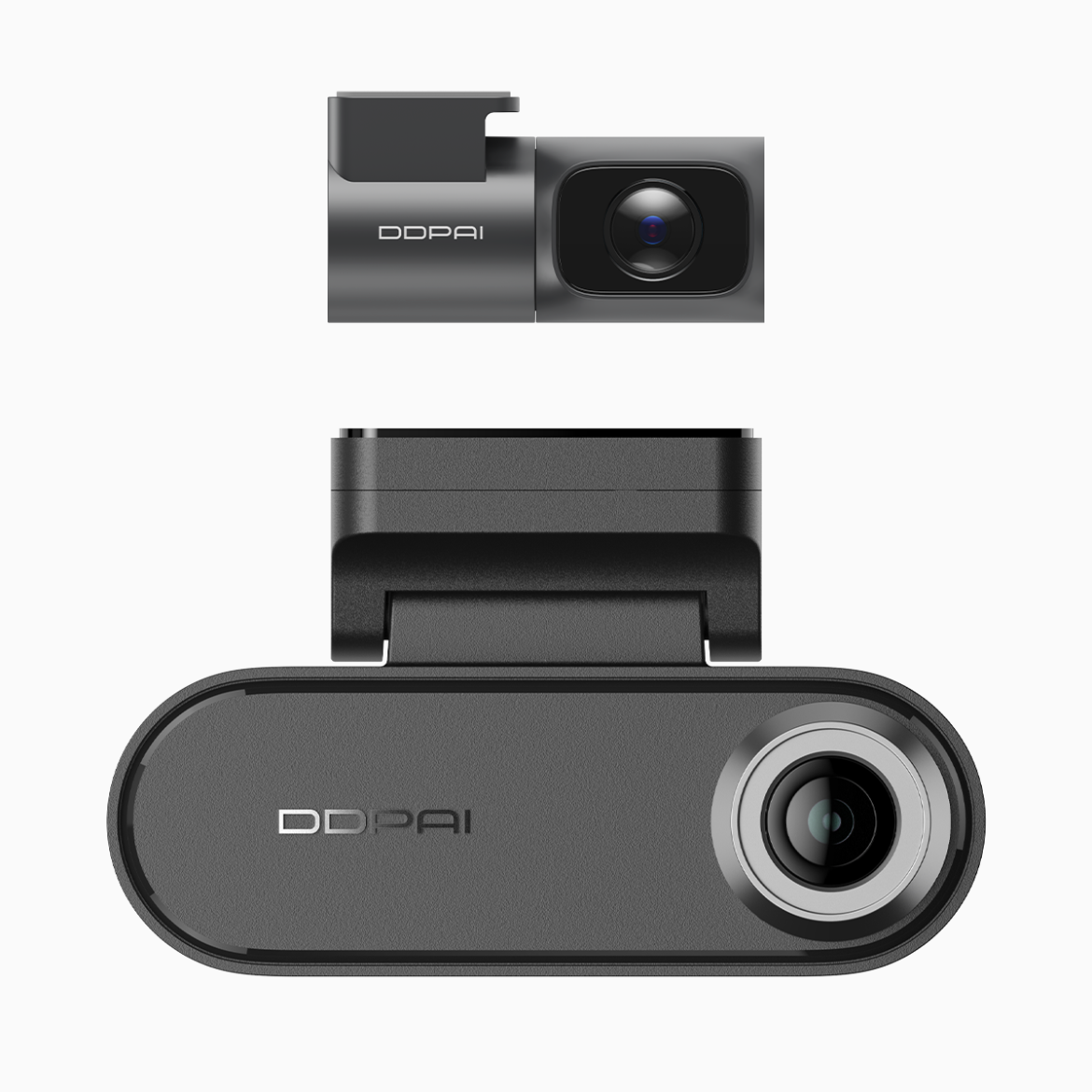
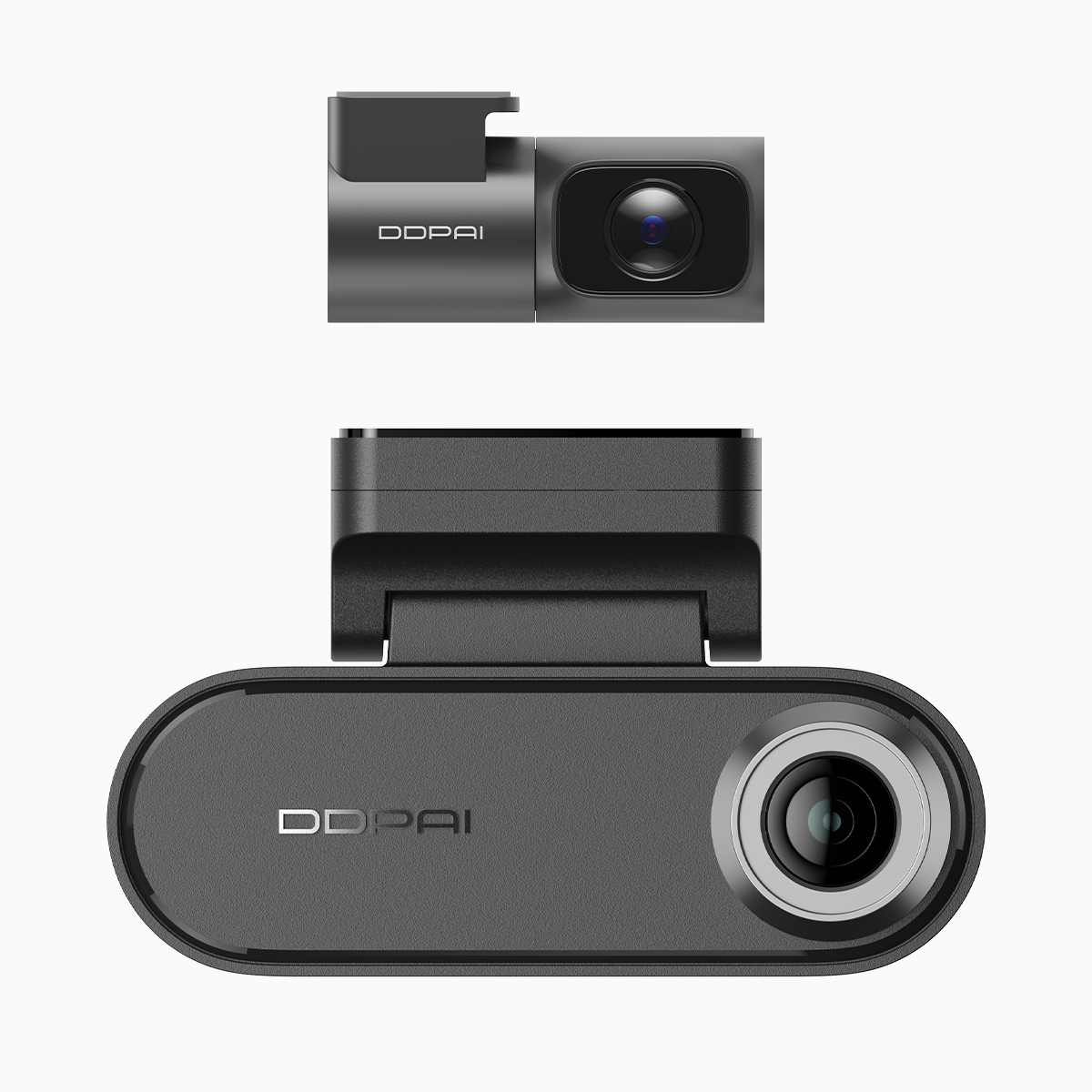
Drivers care about one practical thing: an unobstructed view while capturing reliable footage. That philosophy sits at the heart of modern units like the dual dash cam with parking mode, which pairs a compact forward module with a slim rear camera to reduce visual bulk on the windshield. Designers squeeze 4K sensors and Wi‑Fi radios into small housings, then align lenses and mounts so the camera footprint sits behind the rear‑view mirror—out of sight, not out of capability.

dual dash cam with parking mode

How discreet hardware balances optics and aeration

Compact doesn’t mean compromised. Engineers route antennas internally and favor low‑profile mounts that follow windscreen curvature, minimizing glare and wind noise interference with the cabin. A narrow field of view plus precise lens placement reduces the perceived obstruction for drivers while keeping crucial lanes in frame. On technical points, GPS time‑stamp and parking mode recording are integrated without large external boxes, maintaining a factory‑like aesthetic.

User experience on real streets

Take a week of driving in Metro Manila: tight lanes, constant double‑parkers, and the chore of hunting for proof after a bump. A discreet system that records high‑resolution clips and logs location via GPS makes post‑incident review straightforward. The unit’s Wi‑Fi makes offloading footage quick when you’re parked; a parking monitor dash cam that detects impacts and writes short clips can be the difference between a disputed claim and a closed case.

Installation choices that keep sightlines clean

Professional install or careful DIY—both routes matter. Tucking power cables into headliner channels, using adhesive mounts aligned with the rear‑view mirror, and setting file overwrite rules for parking mode preserves both visibility and storage efficiency. Avoid common mistakes: routing power across the windshield, oversized brackets, or placing the camera too low on the glass. Small adjustments to tilt and height yield large improvements in framing and glare rejection.

Tradeoffs, alternatives, and why dual matters

Single‑camera units are cheaper and less intrusive, but they miss rear impacts and lane changes behind your vehicle. Hardwired dual systems cost more to install but provide comprehensive coverage—front 4K and rear 1080p is a common split. If stealth is primary, consider models that hide wiring in the headliner and support buffered parking mode; if evidence quality is paramount, prioritize bitrate and sensor size. —Keep in mind that extreme compression can render license plates unreadable in low light, so settings matter as much as hardware.

Common user mistakes and practical fixes

Three issues recur: poor mount placement, disabled GPS, and incorrect parking sensitivity. Fixes are straightforward: remount slightly higher behind the mirror for better symmetry, enable GPS so timestamps and coordinates are trustworthy, and test parking mode sensitivity on a benign impact (a gentle nudge) to calibrate. Also, check firmware updates via Wi‑Fi periodically—manufacturers often release refinements for low‑light processing and motion detection.

dual dash cam with parking mode

Advisory: three golden metrics for selecting a discreet dual dash cam

1) Coverage versus obstruction — choose a unit that places the forward lens behind the mirror while offering at least 120° horizontal coverage to capture adjacent lanes without blocking sightlines.
2) Parking reliability — prefer buffered parking mode and impact-triggered recording with a known G‑sensor profile; false positives waste storage, missed events waste evidence.
3) Practical connectivity — Wi‑Fi for quick clip transfer and GPS for verified location stamps; both simplify incident reporting and insurance claims.

DDPAI Philippines.

April 10, 2026 0 comments
0 FacebookTwitterPinterestEmail
Global Trade

Unlocking the Potential of Photonics: The Role of Mach Zehnder Intensity Modulators

by Helen April 7, 2026

The Challenge in Modern Photonic Applications

In a world where data transfer speeds are ever-increasing, I see businesses scrambling to meet the demand for faster, reliable communication. According to recent studies, the global photonics market is set to reach $1.3 trillion by 2025. But here’s the kicker: many organizations overlook the pivotal role that components like the Mach Zehnder intensity modulator play in photonic applications. Understanding how to effectively integrate these modulators can significantly enhance system performance, but many still struggle with practical application.

Common Flaws in Traditional Solutions

I vividly recall a time when a client reached out to me because their photonic communication system was underperforming. After some investigation, it was clear that they had opted for traditional modulators that didn’t deliver the required speed or precision. This isn’t a rare scenario; many companies still rely on outdated technologies which exacerbate issues like signal degradation and bandwidth limitations. Their choice was based on familiarity rather than performance metrics, an all-too-common misstep that can derail the best of intentions in project planning.

Why Take a Closer Look?

So, why should businesses reconsider their reliance on older modulation technologies? The answer is simple: efficiency. The performance benefits of the Mach Zehnder intensity modulator far outweigh the conventional alternatives. These devices minimize signal distortion and offer superior bandwidth management, allowing for smoother operations and enhanced data clarity.

Looking Ahead: The Future of Photonic Solutions

As I ponder the evolving landscape of photonic technologies, I envision a future where systems can seamlessly integrate novel components, like the Mach Zehnder intensity modulator, without significant redesign. Are we ready to embrace the next generation of photonic applications? One of the most exciting aspects is how emerging technologies, such as AI-driven analytics, will refine our ability to evaluate and deploy these modulators effectively—unleashing new capabilities.

Real-world Impact

Consider this: integrating advanced modulators can elevate existing communication infrastructure and lead to a more resilient system overall. By leveraging the right photonic tools, businesses can not only meet their current data transmission needs but anticipate future requirements as well. I always encourage my clients to think long-term. You don’t want to pay for quick fixes that will only slow you down in the long run, right?

What’s the main takeaway from my observations? It’s crucial to evaluate the solutions best suited for your needs rather than defaulting to traditional choices out of habit. I suggest identifying metrics such as operational efficiency, error rates, and future scalability as essential criteria in this decision-making process. Investing in the right technology today could very well save you headaches tomorrow.

With these insights in mind, it’s clear to me that as we forge ahead, the right partnerships will prove invaluable. Companies like Liobate are at the forefront, providing the cutting-edge solutions that will facilitate these much-needed transitions in photonic applications.

April 7, 2026 0 comments
0 FacebookTwitterPinterestEmail
Global Trade

The Transformation of Control: Why TFLN Devices Are Revolutionizing Automation

by Catherine April 4, 2026

The Changing Landscape of Control Devices

Imagine a bustling factory, machines whirring and clicking like the most intricate clockwork. Numbers show that up to 70% of operational downtime is currently linked to inefficient control systems. In this scenario, TFLN Devices play a crucial role in keeping everything in sync. It’s not just about machinery; it’s about enhancing productivity with smart solutions like the TFLN modulator. As someone passionate about seamless control processes, I can’t help but reflect on how these devices can alleviate significant pain points in traditional automation.

Flaws in Traditional Solutions

I remember when I first encountered the limitations of older control systems. They were often rigid, prone to errors, and offered barely any flexibility. Manual overrides and miscommunications among devices were all too common. Trust me; I’ve witnessed production schedules derail because of such disconnects. The introduction of the TFLN modulator provides a fresh perspective. Its adaptability and ease of integration into existing systems make it a game-changer for many businesses. Now, I can confidently recommend modern modulation technology to anyone looking to fix their operational headaches.

What’s Changed with TFLN Devices?

With the evolution of TFLN Devices, it seems like we’re finally stepping into a new era. This tech offers unprecedented control and precision in automation practices. Gone are the days of struggling with compatibility issues. The TFLN modulator not only integrates seamlessly with various equipment but also enhances data gathering capabilities. I can attest to the reduced error rates—less downtime means more profits, which is always a win-win situation.

Looking Ahead: The Benefits of Modern Modulation Technology

The transition to updated devices like the TFLN modulator signals more than just an upgrade; it embodies a revolution in operational efficiency. This device simplifies processes by providing real-time feedback and adaptive controls, which I believe will soon become an industry standard. Picture a future where any factory can instantly adjust its operations based on data insights. How incredible would that be? I often think about the immense potential of this technology to transform not just individual businesses but entire industries.

Real-world Impact

As someone who has worked with various manufacturing plants, I have seen firsthand the drastic improvements that come from adopting advanced solutions. The return on investment (ROI) from implementing the TFLN modulator has been remarkable for many clients—reducing downtime by over 20% within the first quarter. Isn’t that a figure worth considering? The blends of reliability and efficiency lead to savings that businesses need to stay competitive these days.

Every Step Counts

Ultimately, what we’ve learned here is clear: embracing new technology like the TFLN Devices isn’t just a choice; it’s becoming a necessity. The automation landscape is evolving quickly, and businesses that adapt will thrive. I recommend keeping a close watch on three evaluation metrics when considering solutions: compatibility with existing systems, data integration capabilities, and the specific operational challenges they address. All these factors contribute to a smoother transition and better outcomes down the line.

Let’s face it, staying ahead isn’t about the tech alone; it’s about the people utilizing it. So, if you’re ready to elevate your operations, I wholeheartedly encourage exploring the innovative solutions offered by Liobate. They genuinely stand out in the game-changing wave of automation!

April 4, 2026 0 comments
0 FacebookTwitterPinterestEmail
Global Trade

Selecting the Right Belt Vulcanizing Machine: Practical Configurations for EPDM Versus Nitrile Components

by Dorothy April 2, 2026

Comparative lead: why configuration matters

The choice between EPDM and Nitrile belt components drives different vulcanizing machine priorities. For shops focused on repeatable curing cycles, a machine with tight temperature control and stable platen pressure reduces rework and scrap. Manufacturers that also supply integrated solutions—such as a noted rubber injection molding machine manufacturer—often provide modular curing presses designed for both compound families, easing line changes while maintaining throughput.

rubber injection molding machine manufacturer

Material demands: EPDM versus Nitrile

EPDM requires higher long-term heat resistance and often benefits from longer dwell times at moderately high temperatures to complete crosslinking. Nitrile (NBR) typically cures faster but is more sensitive to overcure and oxygen exposure; it benefits from precise time-temperature control and inert atmospheres for some formulations. Key process terms here are vulcanization, platen temperature, and curing time—each must be tuned per compound to avoid hard or brittle belts.

Machine configurations that align to material needs

Choose a machine based on platen design, heat transfer method, and control granularity. For EPDM: a larger platen with uniform heated zones and a programmable temperature ramp helps achieve consistent crosslink density across wide belts. For Nitrile: a rapid-response platen and accurate PID controls minimize overcure. Compression molding or a dedicated curing press with interchangeable dies allows shops to hold tolerances while switching runs. Balance is key: platen flatness and force distribution are as critical as the heating source.

Process control, sensors, and tooling choices

Invest in accurate thermocouples and a closed-loop controller; small offsets in reading can translate to large property shifts in the rubber. Use die materials that match thermal mass expectations—steel dies for faster heat transfer, aluminum for quicker response but less stability. Consider onboard data logging to capture each cycle for traceability—this is particularly valuable for automotive suppliers after the 2020 supply disruptions that tightened quality scrutiny across plants in Detroit and other hubs. —A production trace log avoids finger-pointing when issues emerge.

Common mistakes and practical fixes

Most shops either over-spec machines (paying for unused capacity) or under-spec them (forcing frequent rework). Avoid oversized platen pressure that deforms belts, and watch for improper venting that traps volatiles during cure. Standard fixes: calibrate temperature sensors quarterly, validate cycle profiles with test coupons, and maintain die surfaces to prevent flash. These steps reduce downtime and improve first-pass yield.

rubber injection molding machine manufacturer

Alternatives, supplier choice, and system integration

Beyond stand-alone vulcanizing presses, consider hybrid lines that integrate preheating, automated loading, and post-cure ovens. When evaluating vendors, compare total cost of ownership: maintenance intervals, spare-part availability, and control software support. Many rubber injection molding companies provide turnkey systems that combine molding and curing—these options suit operations seeking single-source accountability for tooling and cycle integration.

Quality metrics and inspection

Implement tensile, elongation, and hardness checks as routine inspections. Monitor process capability (Cp/Cpk) for critical dimensions and mechanical properties; a drift in these numbers signals a process adjustment rather than a materials fault. Keep sampling consistent and document environmental conditions during tests—temperature and humidity can subtly affect results.

Three golden rules for selecting the right machine

1) Match thermal control to compound sensitivity: if the product is Nitrile-heavy, prioritize rapid-response platen and precise PID control. 2) Design for tooling flexibility: choose machines with interchangeable dies and adequate platen size to accommodate future product variations. 3) Insist on data and service: onboard logging, local support, and clear spare-part plans reduce total operating risk.

These rules converge on the practical value a thoughtful supplier brings—reliable hardware, useful controls, and service that keeps lines moving. For many operations, that mix is exactly what HWAYI provides—a partner in achieving predictable cures and consistent belt performance. –

April 2, 2026 0 comments
0 FacebookTwitterPinterestEmail
  • 1
  • …
  • 6
  • 7
  • 8
  • 9
  • 10
  • …
  • 16

Recent Posts

  • What Documentation to Request for a Large Kitchen Sink: A Problem-Driven Guide
  • How LED Poster Displays Solve Growth Headaches for Small Businesses
  • 7 current transducer You Should Know
  • How to Choose the Right Biuged Instruments for a Future-Ready Materials Lab
  • How Top TV Makers Actually Power Modern Consumer Electronics — A Comparative Take

Recent Comments

  1. Penci on Get Lost in the LA
  2. Penci on Weekend Coffee & Music
  3. Penci on Amazing Nature of Ireland
  4. Penci on Story of a Traveler
  5. Penci on Freedom under the Sun

About Me

About Me

Writer & Reader

Neque porro quisquam est, qui dolorem ipsum quia dolor sit amet, consectetur, adipisci velit, sed.

Keep in touch

Facebook Twitter Instagram Pinterest Tumblr Youtube Bloglovin Snapchat

Recent Posts

  • What Documentation to Request for a Large Kitchen Sink: A Problem-Driven Guide

    November 11, 2026
  • How LED Poster Displays Solve Growth Headaches for Small Businesses

    November 9, 2026
  • 7 current transducer You Should Know

    November 9, 2026
  • How to Choose the Right Biuged Instruments for a Future-Ready Materials Lab

    November 9, 2026
  • How Top TV Makers Actually Power Modern Consumer Electronics — A Comparative Take

    November 9, 2026

Categories

  • Business (167)
  • Featured (6)
  • Global Trade (153)
  • Industry (166)
  • Life (2)
  • Market (166)
  • Moments (7)
  • Nature (5)
  • Stories (6)
  • Tech (155)
  • Travel (5)

About me

banner
Soledad is the best selling Blog & Magazine WordPress Theme of this year on Themeforest.

Popular Posts

  • 1

    My Baby Cactus

    June 7, 2017
  • 2

    Writing New Life Chapter

    June 7, 2017
  • 3

    Green Corner in My Home

    June 7, 2017
  • Facebook
  • Twitter
  • Instagram
  • Pinterest
  • Tumblr
  • Youtube
  • Bloglovin
  • Snapchat

@2019 - All Right Reserved. Designed and Developed by PenciDesign


Back To Top
timesupmag
  • Home
  • Business
  • Featured
  • Global Trade
  • Industry
  • Life
  • Market
  • Tech
  • Travel