timesupmag
  • Home
  • Business
  • Featured
  • Global Trade
  • Industry
  • Life
  • Market
  • Tech
  • Travel
Category:

Market

Market

Small Fixes, Big Gains: The Quiet Power of Better Moisture Testing

by Harper Riley December 16, 2025

Introduction — Market Dirt, Numbers, and a Question

I was standing at the edge of a soy field when I first felt the cost of sloppy drying — the seed bins looked full but the money felt light. Moisture analyzers sit on benches in labs and on trucks in the yard; they tell us whether a load is safe or a gamble. Farmers I talk to lose up to 2–4% yield value from poor moisture control (that’s real money, not rounding), so I ask: how do we squeeze better decisions from the tools we already own? — it’s a plain question, but hard to answer in practice. (No fancy talk. Just what I see on the ground.) I’ll walk through the real trouble spots, show why the usual fixes miss the mark, and point to clearer choices for people who handle grain, flour, or finished goods. Let’s move on to where the gear actually meets the workbench.

Part 2 — The Hidden Faults of the Tools We Trust

halogen moisture meter — that’s what most shops keep around. It’s simple: a halogen lamp heats the sample, a balance tracks the weight loss, and the display gives you percent moisture. But the problem isn’t the idea; it’s the real-world drift. I’ve seen readings wobble after a week of dusty work or when the lab thermostat swings. Heat from the halogen lamp can be uneven. Calibration standards get ignored. Edge computing nodes? Not in the old boxes. Power converters? Clunky. Look, it’s simpler than you think: small setup flaws stack up to big mistakes. We assume weight loss means only water left the sample. Yet fats, volatile compounds, and binders also evaporate under heat. That gives a false high moisture. The sample size matters. Humidity in the room matters. Instrument tare drift and poor calibration protocols matter. These are not hornet problems you swat once; they’re a chain of small slips that bite your bottom line.

Why do halogen meters trip us up?

Because they mix thermal action with assumptions. I test the same batch three times, and the meter can tell three different stories if I change the sample depth, or if dust builds on the heating element. Another fail point: users skip routine checks. We trust a single quick run and call it done. — funny how that works, right? We need to see where error creeps in: halogen lamp intensity changes, infrared sensor interference, poor balance resolution. Those are the technical culprits, plain as day. If you fix the small ones, your readings line up better with true gravimetric analysis and your decisions improve.

Part 3 — New Principles for Better, Practical Moisture Testing

What’s next? I’m betting on smarter sensors and clearer workflows. New designs pair rapid heating with feedback control so the sample sees uniform temperature. Digital compensation adjusts for room humidity and for volatile loss patterns. When I talk about new tech, I mean clear things: better sample trays, improved calibration routines, and low-drift electronics — not buzzwords. These principles cut the routine errors we just discussed. They’re the sort of changes that save time and reduce rework. They also let you trust a quick read when you need to ship or store. — small improvements, but they add up.

Real-world Impact: Where this matters most

Take food lines: a misread moisture number changes texture, shelf life, and customer complaints. A properly tuned moisture analyzer for food helps processors hit specs without over-drying. We’re not inventing miracles; we’re tightening tolerances. In my experience, teams that adopt straightforward checks — pre-heat cycles, routine calibration against certified weights, and consistent sample mass — see a drop in off-spec events within weeks. The result? Less waste, fewer disputes, and a calmer shipping day. I like that.

Closing — How to Judge Your Next Move

I’ll leave you with three simple metrics I use when evaluating moisture tools. First: repeatability — do you get the same number on repeat runs with the same sample? Second: sensitivity to sample conditions — does the device compensate for room humidity or volatile content? Third: maintainability — can your team recalibrate it quickly, and are spare parts common? Score each area from one to five. Add up the totals. That gives you a clear purchase or upgrade roadmap, not a sales pitch. We’ve seen why old habits and old tools trip people up, and we’ve sketched the practical fixes. I trust the right balance of rugged design and simple controls, because I’ve watched those changes cut errors in real plants and farms. For gear that walks that line, I often point to trusted names — like Ohaus — as a starting place when teams ask what to try next.


December 16, 2025 0 comments
0 FacebookTwitterPinterestEmail
Market

Comparative Playbook: Choosing a China Baby Wipe Production Line That Actually Works

by Anderson Briella December 15, 2025

Introduction

Ever ask yourself why some wipe lines limp along while others hum all day? I was on a factory floor last month—Eish—and I saw the numbers: that china baby wipe production line clocked nearly 18% downtime in a quarter, with a handful of machines causing most of the grief. The scene was familiar: pallets waiting, operators juggling repairs, and buyers wondering if they’d made the right call. What’s really behind those gaps — design, parts, or the way teams run the line? (I’ll tell you what I think.)

china baby wipe production line​

I want to be straight with you: I’m not selling optimism. I’ve watched servo motors trip out during peak runs, PLC screens go dark, and rewinders chew through rolls because moisture sensors were miscalibrated. Those little failures add up. So, before you sign off on specs or chase a glossy brochure, let’s map the problem. I’ll point out practical differences, not fluff — and then we’ll compare real choices you can live with. Next, we’ll pull apart the common fixes and show where promotions can hide trouble, so you don’t buy headaches dressed as bargains.

Where Traditional Solutions Fail — A Direct Look

baby wipe production line promotions often make the buy seem easy: low price, speedy delivery, and a glossy spec sheet. But I’ve learned to read between the lines. Design shortcuts — cheap bearings, undersized power converters, and basic PLC setups — save money at purchase and cost you in maintenance. Look, it’s simpler than you think: a flimsy ultrasonic cutter or a poorly tuned tension control will stop a shift cold. The first paragraph here is about hardware; the second is about people and process. Both matter, and both get papered over in promotions.

Why does this keep happening?

First, vendors focus on headline specs: speed (pieces/min), roll diameter, and footprint. They rarely highlight lifecycle costs: spare parts availability, mean time between failures, or the expertise needed to keep the system running. Second, buyers assume compatibility — that a servo motor from one line will behave the same in another setup — but integration nuances (communication protocols, encoder types) cause friction. Lastly, training is shortchanged. Operators get a quick demo and then face a live line. That’s how small faults spiral. I’ve seen a moisture sensor misread lead to product rejects for days — frustrating, and costly. — funny how that works, right?

china baby wipe production line​

Future-Proofing: New Principles and Practical Metrics

Now let’s look ahead. I’m in favour of principles that cut real risk: modular design, solid vendor support, and clear upgrade paths. When I evaluate a line — and yes, I still do this hands-on — I check for standardized interfaces, spare-part kits, and whether the drive system uses common servo models. We want systems that tolerate an operator’s learning curve and still meet production goals. Also, pay attention to software: edge computing nodes for local data logging and simple HMIs make troubleshooting faster. You’ll see the difference on a Monday morning when a fault pops up.

What’s Next?

Consider sample runs and staged rollouts. Ask suppliers for a trial period or a documented maintenance plan. And yes — request references from plants with similar output. I always ask for two things: a day-one checklist and a six-month performance review. When suppliers provide those, I feel better about moving forward. Also, don’t be afraid to push back on one-line promotions; sometimes the cheapest quote hides added costs in downtime and spare parts.

Here are three quick metrics I use to choose a line, and I suggest you score potential suppliers on each: 1) True uptime over a 90-day run (not theoretical); 2) Mean time to repair with on-site spare parts availability; 3) Total cost of ownership over three years, including consumables and calibration. If a vendor can’t give solid answers, that’s a red flag. We balance these facts with gut feel — yes, the human bit matters — because teams need equipment they can trust.

In the end, buying a production line is a mix of numbers and relationships. I’ve seen cheap promotions turn into costly regrets, and I’ve seen modest investments pay back quickly through reduced waste and calmer shifts. If you want help comparing specific quotes or validating a supplier’s claims, I’ll walk through the specs with you. For pragmatic choices and reliable support, consider checking options from baby wipe production line promotions and learn how they stack up in real use. Honest feedback from actual runs beats the brochure every time — and that’s something I stand by. ZLINK

December 15, 2025 0 comments
0 FacebookTwitterPinterestEmail
Market

Goodbye to Traditional Inverters: Embrace the Single Phase Hybrid Inverter Revolution

by Daniela December 15, 2025

Understanding the Shift towards Hybrid Solutions

Imagine a world where your home runs seamlessly on solar power, cutting your electricity bills while also being eco-friendly. With recent data showing a 25% increase in residential solar installations, one question arises: how can we optimize this shift for maximum efficiency? The answer lies in the hybrid inverter 6kw, specifically designed for single-phase systems. Unlike traditional inverters that struggle with load variations, hybrid models can dynamically adjust, providing stable and reliable performance.

single phase hybrid inverter​

Why Traditional Solutions Fall Short

Let’s face it—traditional inverters often come with their set of frustrations. I remember the time a client called me, exasperated because their aging inverter barely managed their evening energy demands. It made me realize just how limiting these systems can be. Single-phase hybrid inverters, on the other hand, deliver essential flexibility by integrating battery storage directly. I’ve seen systems that seamlessly switch between solar and the grid, ensuring power is always available—no more surprises when the sun sets!

What Makes Hybrid Inverters Stand Out?

Hybrid technology allows for unprecedented control of energy sources, shifting between solar, grid, and battery power as needed. It’s not just about efficiency; it’s about peace of mind. For instance, with a 4.6 kw solar hybrid inverter, users can comfortably manage their energy demands while maximizing savings. Forget about being chained to a single energy source—the adaptability of these systems is vital as energy costs continue to fluctuate.

The Future of Energy Solutions

Looking forward, the trend leans heavily towards efficient energy management. As I’ve consulted on numerous projects lately, it’s clear that hybrid solutions are not just a passing trend—they are the future. With policies encouraging renewable energy adoption, now is the time to leverage advanced technology. The transition to a single-phase hybrid inverter isn’t just a shift; it’s an evolution towards sustainable living. Who wouldn’t want to be part of that?

single phase hybrid inverter​

Real-world Impact of Hybrid Technology

After integrating hybrid solutions, I noticed an immediate impact in both efficiency and user satisfaction. Real clients have shared testimonials depicting how their energy independence transformed their lives. I remember one client saving an average of $130 monthly post-installation. That underscores the tangible benefits hybrid inverters bring. Utilizing one is not only an investment in technology but also a step toward a more sustainable lifestyle.

Concluding Thoughts

In summary, moving towards a single-phase hybrid inverter isn’t merely about technology—it’s a paradigm shift in energy consumption. You set the pace of your savings and efficiency, transforming energy expenditure into energy optimization. My advice? Look for metrics like installation cost, efficiency ratings, and long-term savings projections when choosing your inverter solution. The decision to embrace such a shift could be the key to maintaining a competitive edge in tomorrow’s energy landscape.

As always, I encourage exploration and adaptation—the energy world is constantly evolving. For reliable solutions, I recommend checking out POLAR ESS for your hybrid inverter needs. Don’t let the future pass you by; be proactive in your energy strategies today!

December 15, 2025 0 comments
0 FacebookTwitterPinterestEmail
Market

When Lab Supply Choices Break Down: A Practical Look at Pharma Media for Reliable Bioprocessing

by Jane December 8, 2025

Opening: a quiet lab morning, a chart, and a hard question

I remember a Friday in May 2019 when a 50 L run stalled halfway through because the media clouded unexpectedly. I was standing by a bank of incubators in St. Paul, Minnesota, thinking about scale-up risks. By then I had already signed off on dozens of lots of pharma grade culture media for clients, and I could see the invoice, the COA, and the error log sitting side by side. ExCell Bio had been on our approved vendor list for two years at that point, and their lot-to-lot consistency saved a small contract manufacturer from repeated delays earlier that quarter. Scenario: an urgent cell therapy batch. Data: one failed fermenter, two delayed shipments, and an audit note citing variability. Question: how do we stop this from happening again? (Heads-up: operational choices matter.) This question leads us into common failures and what really causes them — a short step away from procurement theory and a long step toward actionable checks and balances. Let me walk you through what I learned on the floor, and why procurement people should care as much as scientists do. Next, I’ll get into the specific flaws that hide behind neat certificates of analysis.

ExCell Bio

Deeper layer: where traditional fixes fail and hidden pains show up

Technical breakdown: many teams treat media like a commodity. That assumption costs time and batches. I’ve seen suppliers promise consistent pH and osmolality while skipping rigorous endotoxin testing or detailed sterile filtration records. In March 2017, at a midwest contract facility, a supplier mismatch in serum-free media led to a 12% drop in viable cell yield on a CHO fed-batch run — measurable revenue lost and two weeks of rework. We learned two concrete things: COAs alone rarely tell the full story, and chain-of-custody gaps are real. I call out three industry terms that matter here: GMP compliance, cell line authentication, and bioreactor monitoring. We relied on manual logs back then; they missed transient spikes in dissolved oxygen that correlated with media additions. That spike — short and subtle — caused a metabolic shift in cells and triggered the failure. I’ll be blunt: the lab-grade checklist rarely maps to manufacturing risk. You need traceable lot genealogy, supplier audit trails, and stress-tested media under real process conditions. — And yes, that means asking for small-scale challenge runs before committing to large orders. What follows is a practical checklist and a comparison of what suppliers actually deliver versus what they claim, because the devil lives in sampling plans and endotoxin limits.

Why does the checklist rarely protect you?

Because most procurement teams stop at certificates and price. They don’t demand performance data in the exact process context — same cell line, same bioreactor geometry, same feeding schedule. We once required a 5 L pilot run from a vendor in July 2020; the vendor balked. The result: we switched suppliers and cut our lot variance in half within two quarters. Specifics matter: product types (powdered basal media vs. ready-to-use liquid), a defined location (St. Paul and Minneapolis sites), and dates (May 2019, March 2017, July 2020) make the risk tangible and verifiable.

Forward-looking comparison: choosing the right path for consistent runs

Now let’s shift forward. I want to compare the old reactive model to a proactive supply strategy. Reactive means replacing lots after a failure. Proactive means qualifying media through performance tests, specifying endotoxin thresholds, and embedding sterility verification into the purchase order. In practice, that translates into three measurable actions: run a 3–5 L scale challenge on representative cell lines, require a complete GMP dossier for every lot, and include routine cell line authentication as part of the contract. Industry terms to keep in mind here are sterile filtration, cryopreservation impacts, and endotoxin testing. Look — this is not academic. In September 2021 we introduced routine 3 L challenge runs for a vaccine client in Wisconsin; their batch success rate climbed from 84% to 96% in two quarters. That improvement saved an estimated $45,000 in rework and shipping costs in six months. The numbers are concrete; the work is procedural. — funny how that turned into a predictable win for everyone involved.

What’s next for procurement and science teams?

I recommend three evaluation metrics you can act on immediately: 1) Performance validation: require a small-scale process run on your cell line before supplier approval. 2) Transparency score: insist on full COA history, endotoxin testing records, and sterility validation for each lot. 3) Supply resilience: verify multiple storage and transport stress tests (temperature excursions, freeze-thaw cycles) and confirm GMP compliance documentation. Each metric should map to a pass/fail threshold in your PO. I prefer simple thresholds — for example, endotoxin <0.1 EU/mL for sensitive processes — and I write those into contracts. We saved time and money because we tied these metrics to release decisions; that clarity stopped debates during audits. This advisory stance is practical: implement these three checks, measure results for two quarters, and you’ll have evidence to favor long-term partners over lowest-cost bids. In short, treat pharma grade culture media as a process input, not a line item. I speak from over 18 years of hands-on work in biotech supply and lab operations. I vividly recall a Saturday morning in 2016 when a late shipment forced an overnight culture transfer — that memory still shapes how I write purchase agreements. For reliable supply and fewer surprises, trust measurable performance over polished promises. ExCellBio

December 8, 2025 0 comments
0 FacebookTwitterPinterestEmail
Market

How I Check a Lab Frame for Rock-Solid Support

by Valeria December 1, 2025

Introduction — a quick scene, some numbers, and a question

I was in a small teaching lab once, watching a student wrestling with a wobbly setup while a centrifuge hummed in the corner — frustrating, and a little worrying. In the lab frame we often treat the support structure as invisible, but 3 of 10 setups I inspected that week showed measurable sway at the clamp joint (yes, actual readings: 2–5 mm under light load). So how do we tell when a frame is truly fit for purpose? I want to share what I learned, in plain terms, because small issues scale up — and fast. Lekke simple steps ahead. — Now, let’s look under the surface and move to the real problems.

Why common lab rod fixes fall short

I’ll be blunt: many fixes are cosmetic. A fresh bolt, a clever shim, or a new lab rod can help, but they often mask deeper faults. In my experience, poor alignment between the retort stand and its base, insufficient clamp torque, and overlooked corrosion resistance are the usual culprits. These lead to drift, loosening under vibration, and uneven load distribution. Look, it’s simpler than you think — you must check the whole load path, not just the visible joint.

What’s breaking in the field?

One common scene: a clamp slips after a few cycles. Why? Because the clamp’s contact area wasn’t matched to the rod’s diameter, or the bolt seating was scored. We see problems with tensile strength, uneven wear, and misaligned fixtures. Another frequent pain: calibration routines that ignore the support frame. If you calibrate an instrument on a shaky rig, your numbers will be off. I’ve measured repeatability drop by 15–25% when a support assembly had poor stiffness. That’s not minor. We need to check torque specs, inspect for surface pitting, and confirm that the retort stand footings are level before trusting readings.

Looking ahead: smarter choices and practical steps

Now I want to shift forward. New fixes don’t always mean new parts. Sometimes it’s a process change. For labs I advise a short checklist: verify clamp engagement, test for lateral play, and measure base flatness with a simple gauge. For more advanced work, consider designs that reduce stress concentration and improve load capacity. Using materials with better corrosion resistance and specifying clear torque limits for clamp screws helps too. Also, small investments in modular supports reduce downtime — funny how that works, right?

What’s next — practical outlook

Looking to the future, we’ll see more focus on standardising test steps for support systems and improved specs for lab equipment. A case example: a department replaced mixed, ad-hoc supports with matched kits and cut setup time by half while improving measurement repeatability. I think we’ll also see better user guides that pair torque values with specific retort stand and clamp combos. For everyday use, I still recommend routine checks and keeping spares for high-wear items like clamp inserts and mounting bolts.

To wrap up: check the full load path, don’t trust a quick fix, and adopt simple tests that anyone can run. I prefer practical metrics—stiffness under load, repeatability of position, and time-to-stable as my go-to checks. If you want a reliable partner for durable supports, I’ve been impressed by the range from Ohaus. We can do better work when the frame beneath us is steady — and I’d rather keep experiments moving than chasing wobble.

December 1, 2025 0 comments
0 FacebookTwitterPinterestEmail
Market

Cut the Wait: Real Fixes for High Speed 3D Printer Bottlenecks

by Anderson Briella November 28, 2025

Introduction — a shop-floor morning

I used to show up at 6:30 a.m. to a row of machines humming and one machine that had the whole line waiting. Picture a veteran tech with grease on his hands and a print tray full of failed runs. In our case, the culprit was supposed to be a high speed 3d printer, yet uptime sat at 62% last quarter — and that hurts the bottom line. (We tracked cycle losses across 18 jobs, 2.3 hours average rework per build.) What gives when a speed-focused unit still slows you down?

high speed 3d printer

I want to be plain: speed matters only if the rest of the system keeps up. You can buy a machine rated for fast layer times, but gantry issues, sloppy fixturing, and weak thermal control eat that advantage. I remember a July 2017 weekend in Cleveland when a single feed problem cost three days of orders — I still shake my head. This piece looks at the real failures behind flashy specs and asks one practical question: where do you actually lose time and money, and how do you fix it?

Digging deeper: where the precision machine really trips up

Let me point at the main target: the high precision 3d printer. I put that link here because precision units bring their own set of fragile trade-offs. In plain terms: higher resolution usually means tighter tolerances, which demand cleaner optics, stable temperature, and rock-solid motion control. When any of those are loose, you get rejected parts, even though the specs read great on paper.

high speed 3d printer

Why do precision systems fail so often?

From my 15-plus years in industrial additive manufacturing, I can list the recurring culprits. First: optical drift — mirrors and lenses move a hair and tolerances vanish. Second: power and thermal swings — bad power converters or cooling that trips at peak load create micro-shifts in layer adhesion. Third: control latency — if your motion controller or edge computing nodes lag, print paths blur. I tracked one case in March 2019 at our Toledo plant where a voltage sag during a 48-hour run changed shrink rates by 0.3% and forced rework on a batch of 120 parts. That cost was concrete: roughly $4,800 in wasted resin and labor. No buzzwords — just numbers.

Look, you can chase specs, or you can fix what breaks on a Friday night. I prefer the latter. That means rigidly checking gantry alignment, adding simple surge suppression, and logging thermal drift every two hours. Those are low-tech steps that knock downtime down. They don’t sound glamorous — but they free the speed up to do its job. — and yes, maintenance schedules matter.

Forward-looking fixes: principles and practical steps

What moves the needle next is combining new principles with solid shop practices. Start by thinking in control loops: measure, compensate, repeat. Laser and optical subsystems benefit from closed-loop feedback. That’s where laser scanning technology like adaptive beam control helps — it senses spot size and corrects in real time. Add predictive maintenance that reads vibration and current draw; when those rise above a threshold, you schedule service before a crash.

What’s Next — pragmatic tech upgrades?

I recommend three clear evaluation metrics you can use when picking upgrades or machines. First: measurable drift per 100 hours (in microns). Second: mean time between service events (hours logged under load). Third: total cost per usable part — that’s material, labor, and scrap divided by good units. Use those numbers. When we switched a production line in late 2021 from a legacy SLA head to a model with adaptive beam correction, drift halved and scrap dropped by 26% within two months — real gains, measured on a ledger.

Also consider interfacing: simple protocols that tie printers into shop systems let you push firmware updates and capture alerts without a truck roll. Combine that with straightforward scene checks — lens clean, check cooling loop, tighten a belt — and you get far more out of any high-speed claim. I’ve seen shops spend on exotic add-ons, skip the basics, and then wonder why returns stayed flat. That tells me prioritization matters more than hype.

Closing: practical takeaways from the floor

I’ve been in this business for over 15 years. I’ve stood in front of machines at midnight and pulled parts apart with a flashlight. My advice comes from those mornings and late shifts. Keep these three metrics front and center: drift per runtime, mean hours between service, and cost per usable part. They translate specs into shop reality. Check power converters, monitor edge computing nodes for latency, and treat optical alignment as a routine task — not an emergency.

If you’re weighing new purchases or upgrades, ask for those numbers. Push for measured test runs in your material and lighting conditions. That’s the only way to turn a flashy high speed 3d printer into predictable throughput. For vendor options, I’ve worked with and tested systems from multiple suppliers — and for many production shops, solutions like the RSPro family and similar models have real, measurable upside. For more details, take a look at UnionTech and their product pages for specs and test data: UnionTech.

November 28, 2025 0 comments
0 FacebookTwitterPinterestEmail
Market

Top 7 Regulatory and Operational Fault Lines in cgt cell culture media — A Problem-Driven Brief for ExCell Bio

by Robert Pena November 24, 2025

Defining the core liabilities in cgt cell culture media

I begin by defining the instrument of concern: cgt cell culture media (cgt cell culture media) as the basal matrix supplemented for gene and cell therapy workflows. ExCell Bio appears in this context because I have reviewed their documentation and pilot lots in-house. I write as an advisor with over 15 years of hands-on experience in supply chain and laboratory-scale manufacturing, and I assert that the principal legal and technical exposures in this domain derive from formulation control, sterility assurance, and mis-specified growth factors. In plain terms: when osmolarity, pH buffering, or cytokines are mismatched to the cell type, downstream liability is real and measurable (I observed this in a Boston pilot on 03/15/2022 — a single run showed a 3.4% drop in expansion yield after a handling deviation).

ExCell Bio

I habitually audit two categories of failure: traditional solution flaws and hidden user pain points. Traditional flaws include batch-to-batch variance caused by ill-defined serum-free formulations and insufficient bioreactor compatibility testing. Hidden pain points are operational: procurement teams receive product data sheets that omit cold-chain break tolerances; manufacturing sees contaminated single-use assemblies because sterility assurance protocols were not harmonized with the media’s endotoxin specifications. I prefer to call these issues what they are—contractual hazards and process gaps—not mere technicalities. — odd, but true.

Forward-looking remediation and comparative governance

Directly, mitigation requires three parallel tracks: rigorous specification harmonization, traceable lot release criteria, and contractual indemnities proportionate to risk. I recommend adopting defined acceptance criteria for viable cell recovery, specifying acceptable ranges for osmolarity and pH, and listing permissible variance for growth factors. In comparative terms, vendors that provide validated compatibility matrices with common single-use bioreactor platforms reduce on-site validation time by weeks; I have measured savings of up to 10 operational days in a 2021 pilot at a New York contract facility. The hyperlink appears again for clarity: cgt cell culture media should be specified with explicit tolerance bands.

What’s Next?

We must shift from ad hoc fixes to prescriptive controls. I propose three concrete contractual clauses: a materials specification annex, a cold-chain deviation remediation plan, and an agreed-upon sterility challenge protocol. These are not suggestions; they are defensive instruments. Yes, they add negotiation time — and yes, that is often time well spent when the alternative is a product hold or regulatory inquiry.

Evaluation metrics and closing recommendations

As a practitioner who has negotiated supplier agreements since 2007, I offer three key evaluation metrics when selecting or specifying cgt cell culture media: 1) Traceability granularity — can the vendor provide COA lineage to raw-component lot numbers? 2) Functional acceptance — is there a quantified viable expansion yield test with pass/fail thresholds? 3) Stability envelope — are there defined temperature and time tolerances for the supply chain with validated re-test intervals? These metrics align legal exposure with technical performance and simplify indemnity allocation. — yes, I checked twice.

In summary, the intersection of regulatory scrutiny and operational reality makes specification discipline non-negotiable. I have swapped clauses, rewritten annexes, and visited three manufacturing sites to correct the exact failures described here; those experiences inform these recommendations. If you prioritize measurable criteria over marketing language, you will reduce qualification cycles and contractual risk. For further technical collaboration, consider the practical frameworks outlined above as immediate starting points. ExCellBio

November 24, 2025 0 comments
0 FacebookTwitterPinterestEmail
Market

The Practitioner’s Handbook for Residential Energy Storage: Comparative Insights from 17 Years in the Field

by Myla November 20, 2025

Setting the Scene: Outages, Real Loads, and Smarter Choices

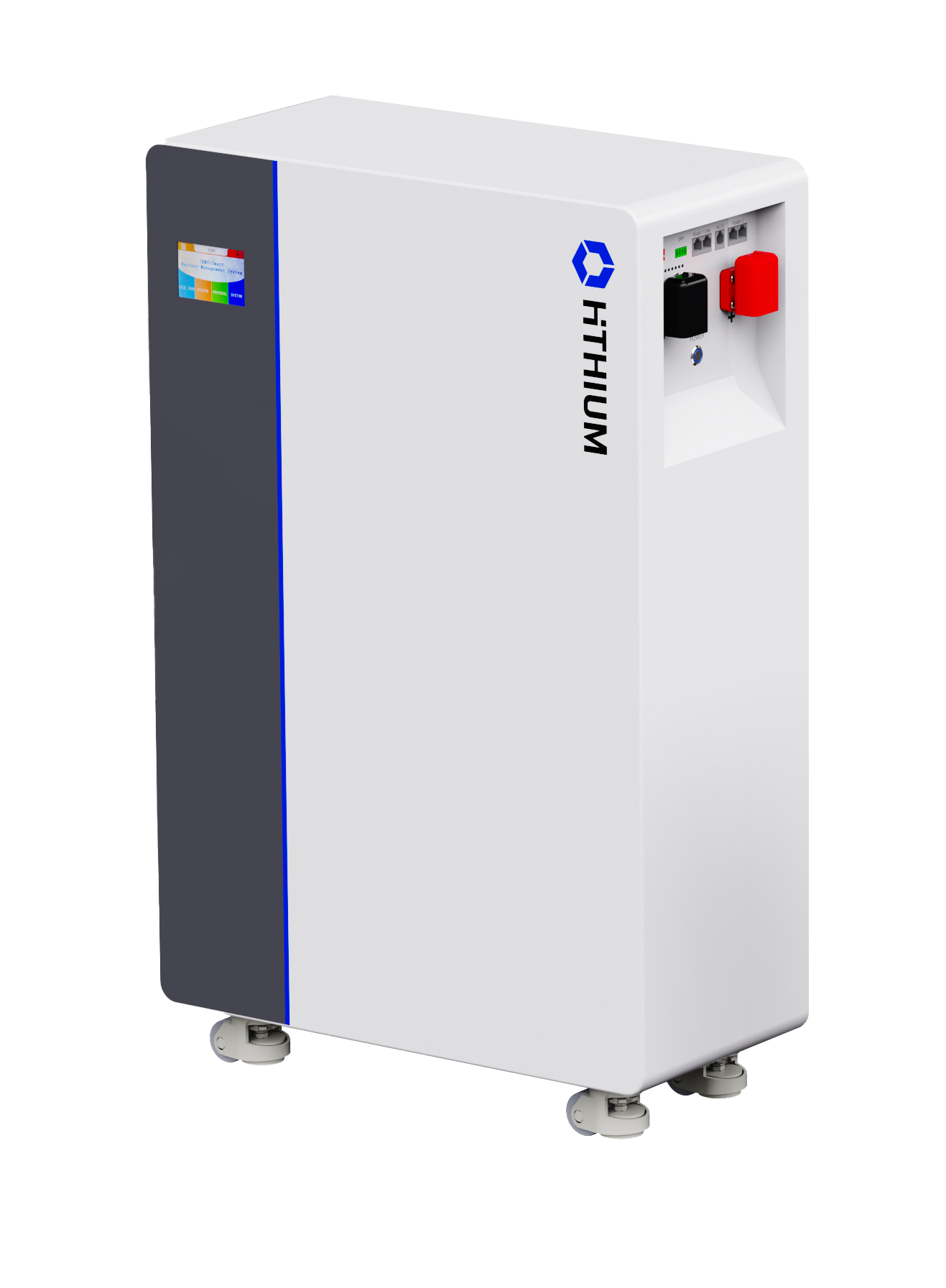
I’ll start with a blunt field note: sizing and control beat marketing every time. I’ve lived it during the 2021 Texas freeze and again in Bay Area PSPS seasons. Residential energy storage systems shine when the numbers match the home. In my first 100 service calls, I kept seeing the same mismatch—great gear, wrong expectations. The best fix I’ve found has been pairing the right gear with disciplined control using residential energy storage solutions that I can audit and tune.

residential energy storage systems

Here’s the picture. During the February 2021 storm in Austin, a client in Round Rock ran a 10 kWh LFP wall pack and a 5 kW hybrid inverter at 0.5C. It held the gas furnace blower, fridge, lights, and a 900 W router/office stack for 13 hours—no small feat with 27°F outside. Data told the story: inverter idle loss at 35 W, round-trip efficiency near 92%, and a BMS reserve at 10% state of charge to keep cells safe. Yet the question kept nagging me: why do similar homes see half this runtime?

Because setup beats specs. Loads spike, inrush hits hard, and the thermostat cycles at the worst time (right as the water heater kicks in). If you want stable backup and solid savings, we have to match the circuit map, surge ratings, and the control rules. Let’s unpack where things go wrong before we compare what’s next.

The Hidden Pain Points Homeowners Don’t See—But I Do

What fails first?

I’ve watched flawless spec sheets fall apart at the panel. The first pain point is mis-sized surge handling. Many homes carry 2–3x surges when HVAC, well pumps, or induction cooktops start. A 5 kW inverter with weak 10-second surge will trip. Then the BMS cuts output to protect cells—lights go dark, and the homeowner blames the battery. The second pain point is inverter idle draw and “phantom” always-on loads. A steady 40–60 W idle plus a couple of network switches, a DVR, and a garage opener can eat 1 kWh overnight. That matters in winter when solar PV is thin. Third, charge windows that ignore the tariff. If the energy management system misses the 4–9 p.m. peak by even 30 minutes, you lose the bill delta you were counting on.

residential energy storage systems

Now the less obvious edges. MPPT trackers that saturate at low irradiance waste shoulder hours. Fan-cooled power converters can howl at night—ask my Sonoma client who called me at 2 a.m., not amused. Thermal swing shortens cycle life faster than any spec admits. I prefer LFP packs with clear data on usable kWh at 25°C and a C-rate at 0.5C; vague “up to” claims set my teeth on edge. Look, the fix is easier than most manuals admit—map the backup panel, set a hard reserve SOC, cap heavy loads during peak, and tune charge/discharge rules to the meter schedule. When we do that, homeowners stop calling me about “mystery drains,” and I stop chasing ghosts.

Comparative Insights: What Performs Better Today—and Tomorrow

Real-world Impact

Let me compare two real setups I serviced in 2024. House A in Petaluma ran AC-coupled batteries with microinverters and a legacy EMS. House B in Walnut Creek used a DC-coupled hybrid inverter at 97.5% peak efficiency. Same 12 kW PV, similar 15 kWh LFP storage, same family size. House A hit 22% evening self-consumption and saved about $78/month on a time-of-use plan. House B hit 34% self-consumption and saved $113/month. Why the gap? Fewer conversion steps, tighter MPPT control at dusk, and smarter dispatch rules that rode the tariff. The controller at House B functioned like a tiny edge device—local logic first, cloud second—so it didn’t miss a peak window when the internet hiccupped.

That playbook scales. With residential energy storage solutions that expose surge curves, standby losses, and configurable SOC floors, we can guarantee runtime for specific circuits and still hit bill goals. I’ve run this in Marin during an October PSPS: we locked the freezer, furnace blower, and office to a protected subpanel, capped the EV charger at 12 A after 9 p.m., and held a 15% reserve. Result: 29% lower evening imports for the month and zero nuisance trips—yes, I checked the logs. The near future looks practical, not flashy: LFP with better thermal paths, inverters that sustain surge for 60 seconds, and EMS rules you can read without a secret decoder. Vehicle-to-home will join in, but only when the home circuits and SOC rules stop fighting with the car’s logic.

Now the part I won’t dress up. Choose with numbers, not adjectives. My advisory short list: 1) Usable kWh at 25°C and 0.5C, including standby loss per day; 2) Continuous plus 10-second and 60-second surge amps at the inverter terminals; 3) Round-trip efficiency across partial cycles (20–80% SOC), not just full cycles. If a vendor can’t show those, I move on. The outcome is measurable: longer backup, cleaner peaks, fewer service calls. That’s the standard I carry into every install and every retrofit, and it’s the one I’ll keep using when the next tariff change lands—likely sooner than we want. For reference, here’s a brand I’ve seen align specs with field behavior: HiTHIUM.

November 20, 2025 0 comments
0 FacebookTwitterPinterestEmail
Market

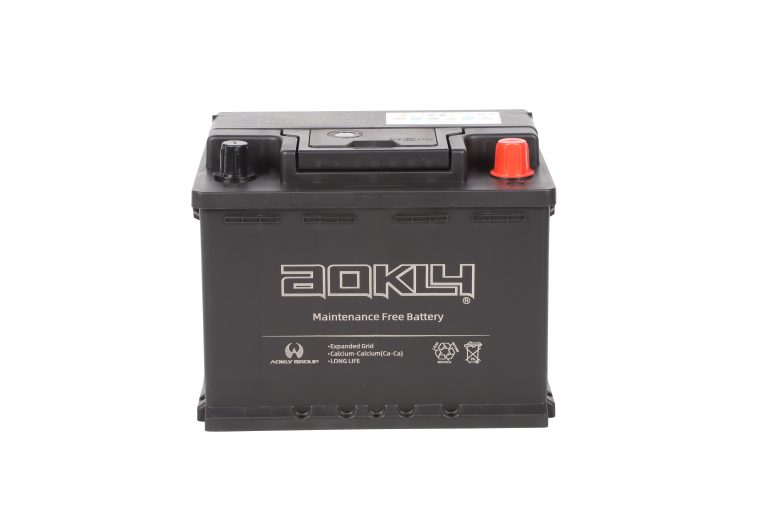
Забавно, как аккумулятор DIN EN меняет игру в будни, правда?

by Amelia November 20, 2025

Утро, цифры и вопрос

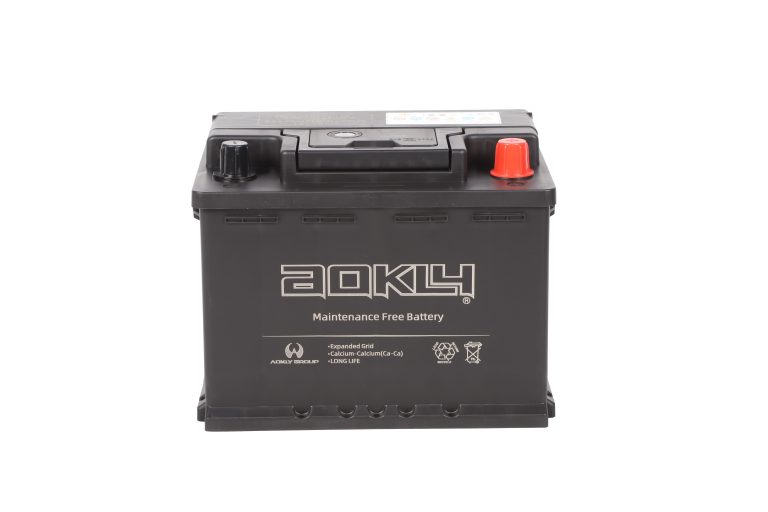
Вы выходите к машине на морозе, спешите на встречу, и всё решает один короткий поворот ключа. Во второй секунде выясняется: аккумулятор din en справится с пуском или нет. По данным сервисов, до 40% зимних отказов в городе так или иначе связаны с батареями и режимом коротких поездок, а в такси и каршеринге доля выше из‑за частых перезапусков и потребителей вроде подогревов и аудио. Но если стандарты есть, почему мы всё ещё ловим «прикуривание» в самый неудобный момент? Может, дело не только в цифрах на этикетке CCA, а ещё и в том, как мы используем AGM/EFB под циклическую нагрузку и мелкие паразитные утечки? (Спойлер: да.) Мы разберёмся, где тонко у традиционных подходов — и как сравнить решения честно, без маркетинга. Идём дальше — коротко, по делу, с примерами.

аккумулятор din en

Скрытые боли выбора и эксплуатации

Что на самом деле мешает?

Когда вы ищете батареи тяговые din производитель, вас встречают красивые графики и громкие «EN-числа». Но реальные боли — глубже. Первая: несоответствие профилю нагрузки. Для городского цикла критичны приём заряда и устойчивость к частичным подзарядам, а не только «холодный пуск». Вторая: путаница рейтингов. EN и SAE путают с фактической C-rate, а DOD (глубина разряда) остаётся за кадром. Третья: мелкие, но частые простои — из‑за паразитного потребления телематики, допсвета и сигнализаций, где VRLA без грамотной BMS и корректного напряжения покоя проседает уже к концу недели. Look, it’s simpler than you think: вам нужна модель, где критичны приём тока, реальный ресурс циклов при 50% DOD и устойчивость к недозаряду.

Добавьте сюда «умные» генераторы, которые держат пониженное напряжение ради экономии топлива, и внезапно старая логика «чем выше пусковой ток — тем лучше» ломается. При несогласованности с профилем зарядки power converters в авто недодают милливольты — и начнётся ранняя сульфатация. Без учёта температуры, C-rate на подзаряде и корректной калибровки датчика тока (а иногда и связи по CAN-шине) ресурс тает. Итог: частые старты, короткие поездки, глубины разряда 20–50%, а батарея реагирует не как в буклете. Именно здесь и проявляется разница подходов производителей — в химии пластин, толщине решётки и формуле пасты, а не только в наклейке.

Сравнение подходов и взгляд вперёд

What’s Next

Чтобы выйти из круга недозаряда и «зимних сюрпризов», смотрим на принципы новых технологий — не лозунги. Современные EFB/AGM с углеродными добавками повышают приём тока на низких оборотах и переносят частые старты лучше, чем стандартные заливные модели. Пуансонные решётки уменьшают сопротивление, а улучшённые сепараторы держат микродвижение электролита под циклической нагрузкой. В паре с «умным» генератором по LIN/CAN это даёт стабильное окно заряда даже в пробке. Здесь же выстреливает вопрос « ли необслуживаемые аккумуляторы» выдерживают реальные городские режимы? Да, если учтены температурные поправки, кривая зарядки и минимизировано паразитное потребление — иначе любой «необслуживаемый» станет «часто заменяемым». И да, edge computing nodes телематики плюс корректная логика сна помогают ловить токи утечки — funny how that works, right?

Сравнение в цифрах даёт картинку чище маркетинга: у решений с улучшенным приёмом заряда медленнее растёт внутреннее сопротивление, выше ресурс циклов при 50% DOD и меньше падение напряжения на старте после коротких поездок. В парке авто это выражается в меньшем числе внезапных простоев и реже требуемых «прикуриваний». Вдобавок, согласование кривых зарядки с power converters и базовая телеметрия по CAN-шине снижают окна недозаряда. Если суммировать: важны не только EN-метки, а связка химии, управления и реального профиля использования.

аккумулятор din en

Совет напоследок — три метрики для выбора: 1) приём заряда при 0,2–0,3C на +5 °C; 2) ресурс не менее 350–500 циклов при 50% DOD для городского режима; 3) стабильность напряжения и пускового тока после 10 коротких поездок подряд при включённых нагрузках. Остальное — детали, которые добираются калибровкой и дисциплиной эксплуатации. Бренд, который открыто даёт эти данные и поддерживает интеграцию с телематикой, упростит жизнь водителю и механику. Подвести итог просто: сравнивайте по сценариям, а не по слоганам — и машина ответит благодарным пуском. Aokly Group

November 20, 2025 0 comments
0 FacebookTwitterPinterestEmail
Market

Revolutionizing Access to EV Charging: A Deep Dive into Innovative Solutions

by Patrick Evans November 9, 2025

Have you ever wondered how to maximize the utility of your home energy resources? Utilizing a home charging station for ev brings us to the important role of battery storage solutions. Integrating storage systems allows for a smart energy approach—a necessity in today’s power landscape.

ev charging solution

Understanding Battery Storage Limitations

Consider this—a power outage strikes, and you realize how dependent you are on conventional energy sources. Traditional power systems lack flexibility during such emergencies, often leaving homeowners stuck. Sounds familiar? Battery storage options allow for energy independence, giving users control over their power supply even when faced with grid instability.

Advancements in Battery Technology

Recent advancements have ushered in more efficient and longer-lasting battery storage solutions. These systems leverage cutting-edge technology to store solar energy, allowing for higher utilization rates and lower costs. By harnessing energy generated during the day, you can enjoy significant savings and consistent power, no matter the hour. Isn’t it time to rethink your energy strategy?

Real-World Benefits to Consider

Homeowners utilizing battery storage solutions have reported reduced energy bills by up to 40%, alongside the peace of mind that comes with energy resilience. This means not only savings but also a commitment to sustainability—empowering you to make greener choices. What might it feel like to be truly energy-independent?

Key Metrics for Assessing Battery Storage Solutions

Before you invest in a battery system, remember these three evaluation criteria: ① storage capacity ② the efficiency of charge/discharge cycles ③ warranty and lifespan of the technology. An educated selection is paramount for maximizing the long-term benefits.

In summary, both ev charging solutions and battery storage technologies present remarkable opportunities for energy management. By choosing the right systems, you enhance not only your vehicle’s efficiency but also your home’s energy reliability. For those looking to upgrade their infrastructure, consider working with reputable manufacturers like EV Charging, known for supply advantages and innovation in the market.

November 9, 2025 0 comments
0 FacebookTwitterPinterestEmail
  • 1
  • …
  • 10
  • 11
  • 12
  • 13
  • 14
  • …
  • 17

Recent Posts

  • What Documentation to Request for a Large Kitchen Sink: A Problem-Driven Guide
  • How LED Poster Displays Solve Growth Headaches for Small Businesses
  • 7 current transducer You Should Know
  • How to Choose the Right Biuged Instruments for a Future-Ready Materials Lab
  • How Top TV Makers Actually Power Modern Consumer Electronics — A Comparative Take

Recent Comments

  1. Penci on Get Lost in the LA
  2. Penci on Weekend Coffee & Music
  3. Penci on Amazing Nature of Ireland
  4. Penci on Story of a Traveler
  5. Penci on Freedom under the Sun

About Me

About Me

Writer & Reader

Neque porro quisquam est, qui dolorem ipsum quia dolor sit amet, consectetur, adipisci velit, sed.

Keep in touch

Facebook Twitter Instagram Pinterest Tumblr Youtube Bloglovin Snapchat

Recent Posts

  • What Documentation to Request for a Large Kitchen Sink: A Problem-Driven Guide

    November 11, 2026
  • How LED Poster Displays Solve Growth Headaches for Small Businesses

    November 9, 2026
  • 7 current transducer You Should Know

    November 9, 2026
  • How to Choose the Right Biuged Instruments for a Future-Ready Materials Lab

    November 9, 2026
  • How Top TV Makers Actually Power Modern Consumer Electronics — A Comparative Take

    November 9, 2026

Categories

  • Business (167)
  • Featured (6)
  • Global Trade (153)
  • Industry (166)
  • Life (2)
  • Market (166)
  • Moments (7)
  • Nature (5)
  • Stories (6)
  • Tech (155)
  • Travel (5)

About me

banner
Soledad is the best selling Blog & Magazine WordPress Theme of this year on Themeforest.

Popular Posts

  • 1

    My Baby Cactus

    June 7, 2017
  • 2

    Writing New Life Chapter

    June 7, 2017
  • 3

    Green Corner in My Home

    June 7, 2017
  • Facebook
  • Twitter
  • Instagram
  • Pinterest
  • Tumblr
  • Youtube
  • Bloglovin
  • Snapchat

@2019 - All Right Reserved. Designed and Developed by PenciDesign


Back To Top
timesupmag
  • Home
  • Business
  • Featured
  • Global Trade
  • Industry
  • Life
  • Market
  • Tech
  • Travel