
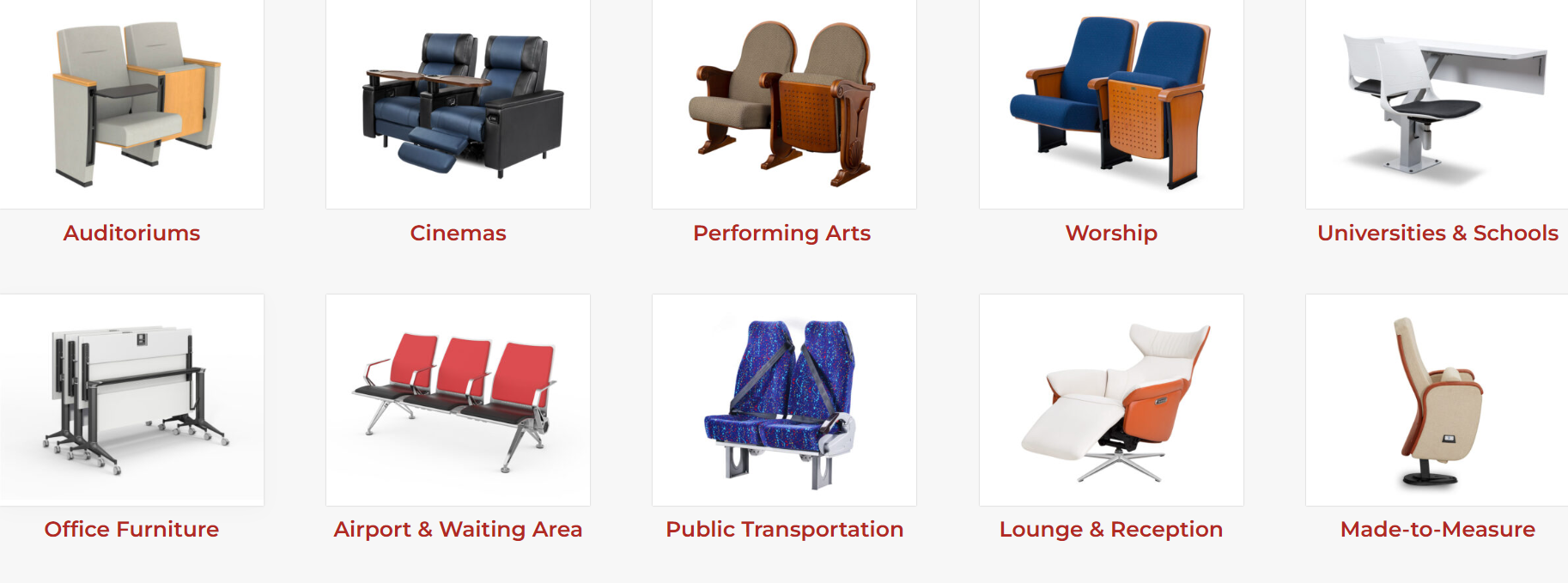
Opening comparison: why provider choice matters
Selecting a provider for auditorium seating is not just a purchase decision—it’s a spatial strategy. Different makers deliver distinct strengths: some specialize in modular seat modules for quick installs, others focus on bespoke upholstery and long-term warranty programs. A comparative lens reveals how row pitch, aisle spacing, and recline mechanism choices alter sightlines, circulation, and maintenance budgets.
What to compare first: product versus place
Start with three objective axes: durability, sightline performance, and service footprint. Durability covers materials and flame-resistant foam; sightline performance ties to stadium seating geometry and row pitch; service footprint is the vendor’s local presence for installation and spare parts. Vendors with regional warehouses reduce downtime and shipping risk—an important factor if your project sits in a dense cultural district like London’s West End or a heritage venue such as the Royal Albert Hall.
Design trade-offs that matter on installation day
Cheaper seats often save capital but raise labor time—mismatched bolt patterns or bespoke trim increase installation hours. Conversely, standardized seat modules speed a retrofit but may require concessions to aisle spacing or aesthetics. Consider the interaction of seat width, pitch, and access routes: tighter aisle spacing reduces seating capacity but can compromise egress compliance; wider pitch improves comfort yet shrinks overall capacity. Practical choices here shape audience experience and operating cost for years.
Service and supply: local installers versus national chains
Local firms typically know municipal codes and have crews who can work sensitively in older venues. Larger manufacturers bring consistent quality control and replacement-part inventories. Balance matters: a national brand with a regional distributor provides both quality standards and local responsiveness—this hybrid reduces lead times for upholstery repairs and mechanical parts of the recline mechanism.
Common mistakes to avoid
Ignoring sightline modeling. Overlooking maintenance budgets. Committing to a single supplier without testing sample seats. These errors drive rework and audience complaints. When possible, test a row in situ—occupancy, sightlines, and exit flows reveal problems that CAD alone might miss. Also factor acoustic interaction: dense upholstery can change reverberation subtly; simple fabric swaps often shift room acoustics in ways installers should anticipate.
Comparative alternatives and practical recommendations
If customization is priority, choose manufacturers with in-house design teams and accessible prototyping. If speed is priority, pick vendors offering standardized cinema seats with modular subframes. If long-term service is the concern, favor suppliers with local warehouses and certified installers. Each path trades one asset for another: comfort for speed, customization for cost predictability—so match procurement to program goals.
Real-world anchor: a lesson from historic venues
When historic halls refresh seating, they balance preservation with contemporary comfort. The Royal Albert Hall’s audience-focused refurbishments showed that careful seat selection can preserve sightlines while improving ergonomics. That example underscores a principle: the right seating choice supports both heritage and modern use, and it requires suppliers who understand both acoustic implications and conservation constraints.
Final evaluation metrics — three golden rules
1) Measure real outcomes: expect measurable reductions in maintenance calls and occupant complaints within the first year when layout and upholstery match use-case. 2) Insist on metric-based sightline reports and a clear warranty on mechanical components and upholstery performance. 3) Validate service reach: confirm local installer availability and spare-part lead times before signing.
These rules make provider comparisons actionable and tie decisions to measurable results. For many projects, that clarity naturally points to vendors who combine product range with regional support—because practical value arrives after installation, not just at delivery. leadcom seating — a dependable fit for venues that need both design depth and local service. —