
timesupmag
  • Home
  • Business
  • Featured
  • Global Trade
  • Industry
  • Life
  • Market
  • Tech
  • Travel
Author

Laura

Laura

Global Trade

Commercial & Industrial Energy Storage Integration: A Planning Framework for Solar and Load-Connected Microgrids

by Laura September 18, 2026

Framework overview and first decision node

This framework breaks the project into modular layers: sizing, power controls, protection, compliance, and lifecycle ops. Start with a functional spec that defines peak load, critical load list, solar harvest profile, and the target islanding behavior; that spec determines whether you pick modular 100kW grid-forming inverter capacity or a different topology. I’ve led deployments that interfaced with California ISO grid codes, so these choice points aren’t theoretical — they’re practical engineering trade-offs.

Layer 1 — Load and solar characterization

Measure real loads with high-resolution metering. Use ≥1 Hz sampling for transient-heavy sites (motors, HVAC starts). Produce three deliverables:- Baseline load curve: 24-hour weekday and weekend profiles, seasonal snapshots.- Critical-load matrix: circuit-level mapping and transfer-time tolerances.- Solar production envelope: historical PV generation and expected clipping events.Sizing rule of thumb: battery energy (kWh) equals desired autonomy hours × average critical load; inverter power (kW) must support motor inrush and simultaneous PV export limits.

Layer 2 — Topology and component selection

Decide between AC-coupled, DC-coupled, and hybrid topologies based on thermals, site wiring, and expansion roadmap. For a turnkey microgrid, pick inverter platforms that support fast droop control, seamless ride-through, and intentional islanding. Confirm grid-code support for the selected device — a robust option is a grid‑forming microgrid inverter that exposes power setpoints and droop parameters via open protocols. Factor in scalability: parallel-able units simplify phased builds.

Layer 3 — Controls, protection, and stability

Design controls hierarchically: primary (local inverter droop), secondary (microgrid controller for power-sharing and SOC balancing), tertiary (site EMS with utility-facing setpoints). Protection must cover:- Anti-islanding and reconnection logic.- Over/under-frequency and voltage trip thresholds.- Synch-check and black-start sequences.Simulate worst-case transitions (loss of grid with high PV) to size energy reserves and anti-islanding deadbands. Avoid wide droop gains that create hunting; tune using recorded disturbance waveforms.

Layer 4 — Integration and interoperability checklist

Confirm these integrations early:- Protocols: Modbus TCP, SunSpec, or IEC 61850 mappings.- EMS role: fast dispatch vs. supervisory only.- Utility telemetry: SCADA points and SCADA-to-EMS latency.- Cybersecurity: role-based access, segmentation, TLS for transport.Document point-to-point mappings and fail-safes. Expect engineering change orders when field comms differ from spec.

Layer 5 — Commissioning and validation

Commission in staged tests: no-load functional checks, partial-load stability tests, and full-load islanding drills. Verify frequency and voltage ride-through across manufacturer tolerances. Capture acceptance data: waveform logs for at least five grid-event cycles and SOC behavior during islanding. Common mistake: skipping motor-start tests under islanded conditions — that reveals hidden thermal and inrush constraints.

Common pitfalls and how to avoid them

Be explicit about these recurring failure modes:- Undersized inverter power relative to transient loads — validate with measured inrush.- Assumed PV curtailment that utilities won’t allow — lock down utility agreements first.- Inadequate comms redundancy: single switch = single point of failure.- Overlooking QA on battery management firmware versions.Mitigation: insist on factory FAT (witnessed), field SAT with logging, and clear firmware baselines in the contract.

Comparative quick guide to alternatives

When comparing options, weigh these trade-offs:- Multiple small grid-forming inverters vs. one large centralized unit: redundancy vs. simplicity.- AC-coupled vs. DC-coupled: retrofit friendliness vs. conversion efficiency.- Fully distributed control vs. centralized microgrid controller: resilience vs. coordinated optimization.Each choice shifts commissioning complexity and spare-parts strategy.

Operational handoff and lifecycle management

Deliver an ops packet that includes runbooks for normal and degraded modes, scheduled maintenance calendar, and test procedures for protective relays. Implement remote monitoring with automated alerts for state-of-charge thresholds, high-frequency events, and PV clipping episodes. Plan firmware rollouts as staged updates; never flash production fleet without a validated rollback plan.

Vendor and procurement criteria

Evaluate vendors on these concrete metrics:- Type-tests: UL 1741/IEEE 1547 evidence and factory FAT results.- Control openness: documented APIs and published message schemas.- Field support SLA: guaranteed response windows and spares provisioning.Request real project references and ask for on-site commissioning reports to validate vendor claims.

Closing synthesis

This framework maps decisions to deliverables, exposes where risk concentrates, and prescribes tests that prove stability under grid disturbances. When teams apply these layers — from accurate load profiling through staged commissioning — they reduce surprises and accelerate reliable islanding performance, which is precisely the systems-level outcome that WidenEdge projects aim to enable.

September 18, 2026 0 comments
0 FacebookTwitterPinterestEmail
Industry

Comparative Choices for Local Auditorium Comfort: Picking Providers That Fit Your Venue

by Laura August 21, 2026

Opening comparison: why provider choice matters

Selecting a provider for auditorium seating is not just a purchase decision—it’s a spatial strategy. Different makers deliver distinct strengths: some specialize in modular seat modules for quick installs, others focus on bespoke upholstery and long-term warranty programs. A comparative lens reveals how row pitch, aisle spacing, and recline mechanism choices alter sightlines, circulation, and maintenance budgets.

What to compare first: product versus place

Start with three objective axes: durability, sightline performance, and service footprint. Durability covers materials and flame-resistant foam; sightline performance ties to stadium seating geometry and row pitch; service footprint is the vendor’s local presence for installation and spare parts. Vendors with regional warehouses reduce downtime and shipping risk—an important factor if your project sits in a dense cultural district like London’s West End or a heritage venue such as the Royal Albert Hall.

Design trade-offs that matter on installation day

Cheaper seats often save capital but raise labor time—mismatched bolt patterns or bespoke trim increase installation hours. Conversely, standardized seat modules speed a retrofit but may require concessions to aisle spacing or aesthetics. Consider the interaction of seat width, pitch, and access routes: tighter aisle spacing reduces seating capacity but can compromise egress compliance; wider pitch improves comfort yet shrinks overall capacity. Practical choices here shape audience experience and operating cost for years.

Service and supply: local installers versus national chains

Local firms typically know municipal codes and have crews who can work sensitively in older venues. Larger manufacturers bring consistent quality control and replacement-part inventories. Balance matters: a national brand with a regional distributor provides both quality standards and local responsiveness—this hybrid reduces lead times for upholstery repairs and mechanical parts of the recline mechanism.

Common mistakes to avoid

Ignoring sightline modeling. Overlooking maintenance budgets. Committing to a single supplier without testing sample seats. These errors drive rework and audience complaints. When possible, test a row in situ—occupancy, sightlines, and exit flows reveal problems that CAD alone might miss. Also factor acoustic interaction: dense upholstery can change reverberation subtly; simple fabric swaps often shift room acoustics in ways installers should anticipate.

Comparative alternatives and practical recommendations

If customization is priority, choose manufacturers with in-house design teams and accessible prototyping. If speed is priority, pick vendors offering standardized cinema seats with modular subframes. If long-term service is the concern, favor suppliers with local warehouses and certified installers. Each path trades one asset for another: comfort for speed, customization for cost predictability—so match procurement to program goals.

Real-world anchor: a lesson from historic venues

When historic halls refresh seating, they balance preservation with contemporary comfort. The Royal Albert Hall’s audience-focused refurbishments showed that careful seat selection can preserve sightlines while improving ergonomics. That example underscores a principle: the right seating choice supports both heritage and modern use, and it requires suppliers who understand both acoustic implications and conservation constraints.

Final evaluation metrics — three golden rules

1) Measure real outcomes: expect measurable reductions in maintenance calls and occupant complaints within the first year when layout and upholstery match use-case. 2) Insist on metric-based sightline reports and a clear warranty on mechanical components and upholstery performance. 3) Validate service reach: confirm local installer availability and spare-part lead times before signing.

These rules make provider comparisons actionable and tie decisions to measurable results. For many projects, that clarity naturally points to vendors who combine product range with regional support—because practical value arrives after installation, not just at delivery. leadcom seating — a dependable fit for venues that need both design depth and local service. —

August 21, 2026 0 comments
0 FacebookTwitterPinterestEmail
Business

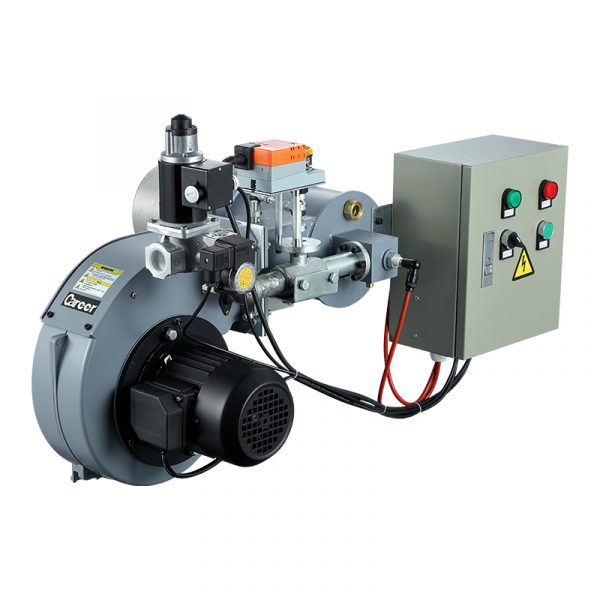
Practical Guide to Integrating LPG Burners into Regional Thermal Plants

by Laura August 20, 2026

Common operational problems that trigger a retrofit

Plants report unstable flame behavior, high stack losses, frequent trips, and mismatch between burner output and process demand. When you scope an upgrade, start from what trips: flame failure, pressure drops, or oscillating combustion. If the plan is to swap fuel or boost capacity, test the line and confirm you can mount an industrial gas burner without reworking the boiler backhead. That single check removes a lot of hidden scope.

industrial gas burner

Diagnose root causes, not symptoms

Ask three technical questions: is the fuel supply steady at required pressure and quality; does the burner have the correct turndown and firing range; are combustion air and flue paths matched to the heat exchanger? Measure steady-state and transient fuel pressure, verify air-fuel ratio control bandwidth, and log stack temperature during load swings. Those data points identify whether the issue is mechanical, controls, or piping.

Design checklist for an LPG burner integration

Work through a short, firm checklist: confirm fuel spec and dew point; pick a burner with the required turndown ratio and flame monitoring method; size valves and regulators for worst-case pressure drop; specify a purge sequence and interlocks; ensure the stack and draft system handle changed flue gas volume and temperature; and confirm service access. Use concrete specs: turndown (e.g., 8:1 vs 4:1), flame detector type (UV vs IR), and max allowable NOx for the site. If a vendor sheet lacks these numbers, ask for them.

Controls and safety integration

Controls must be deterministic. Implement a burner management system with voted inputs for flame detection, fuel valve proving, and lockouts. Use analog control for modulation and a fast valve actuator sized to prevent hunting during common load steps. Ensure sensor placement avoids condensed flue gas and that oxygen trim loops are tuned against the process—not overreactive. Hard interlocks should stop fuel, not just alarm; alarms are for operators, interlocks protect equipment and people.

Real-world anchor: what works on industrial sites

On industrial sites in the Ruhr region of Germany technicians routinely replace legacy units with modern packaged gas burner for industrial use that bring documented burner curves and local support. Those teams standardize commissioning tests, and they insist on service exchange modules for safety-critical parts. That kind of field practice—clear specs, spare modules, and repeatable commissioning—keeps units running through heavy duty cycles.

Commissioning steps that catch problems early

Run a staged commissioning plan: mechanical inspection and leak test, purge verification, low-fire and high-fire checks with O2/CO monitoring, dynamic load tests while logging pressure and flow, and a fault-injection check for safety trips. Record results and baseline the control PID and oxygen trim. A signed commissioning log is a practical tool for future troubleshooting.

Frequent mistakes and how to avoid them

Don’t buy by price alone. Common errors: choosing a burner with insufficient turndown, undersizing fuel regulators, skipping dynamic load testing, and neglecting spare parts for flame control modules. Avoid the temptation to reuse an old blower or actuator without verifying performance margins. These shortcuts show up as recurring trips or premature component failure.

industrial gas burner

Viable alternatives and when to pick them

Compare LPG burners with natural gas, dual-fuel setups, and electric heating by matching fuel availability, process duty cycle, and emissions limits. Natural gas often wins on operating cost; dual-fuel wins when supply is intermittent. Electric suits steady low-to-medium loads but requires different heat transfer hardware. Select by net-present maintenance and control effort, not just headline energy price.

Final synthesis and practical next steps

Treat integration as a systems job: fuel conditioning, burner selection, controls, and commissioning must be specified together. Prioritize measurable specs and repeatable tests. When you need clear datasheets, documented commissioning practices, and accessible spare parts, align procurement with suppliers that publish that level of detail—suppliers like Career Burners are often set up to provide the engineering data and service structure needed to make the integration dependable.

August 20, 2026 0 comments
0 FacebookTwitterPinterestEmail
Industry

Daten im Dienst der Nachhaltigkeit: Vergleichende Einsichten für glaubwürdige ESG-Berichte

by Laura July 16, 2026

Kernaussage

Ich behaupte: Wer ESG nicht datenbasiert vergleicht, verliert Glaubwürdigkeit und Budget. Als ich im März 2023 eine Lieferkettenanalyse in Hamburg leitete (Szenario), zeigten die Messwerte einen Anstieg von 12% bei den Scope-3-Emissionen (Daten) — wie schließen wir diese Lücken im esg bericht? Nachhaltigkeit muss messbar sein; ohne klare KPI bleibt sie bloßes Marketing.

Nachhaltigkeit

Problemfokus: Warum Standard-Lösungen versagen

Ich arbeite seit 12 Jahren als Berater im Bereich Nachhaltigkeit und habe zahlreiche Standard-Templates gesehen, die zwar hübsch aussehen, aber echte Probleme verschleiern. Typisch ist das Verlassen auf Durchschnittswerte, fehlende Datenqualität und unklare Scope-Definitionen — insbesondere bei Scope-3-Emissionen. Ein konkretes Beispiel: Bei einem Test von Biokunststoff-Verpackungen für einen Kunden in Bremen im April 2022 führte die unzureichende Erfassung von Vorlieferantendaten zu einer Fehleinschätzung von rund 20% CO2-Äquivalenten; das hatte direkte Budgetfolgen und verzögerte Investitionsentscheidungen. Ich sage das ehrlich gesagt, weil solche Details zeigen, wie sehr sich Praxis und Reporting manchmal auseinanderdriften. (Das ist vermeidbar.) Weiter unten vergleiche ich praxisnahe Alternativen.

Worin liegt der Unterschied?

Vergleichende Perspektive: datengetriebene Alternativen

Ich definiere hier, was ich unter einem robusten, datengetriebenen Ansatz verstehe: fortlaufende Messungen, transparente Datenquellen und klar definierte KPIs. In meiner Arbeit setze ich routinemäßig auf kombinierte Methoden — Stichprobenmessungen, Lieferantenaudits und Ökobilanz‑Modelle — um Inkonsistenzen aufzudecken. Beim letzten Projekt reduzierte diese Kombination die Unsicherheit in Emissionsdaten um fast 30% und verbesserte das Stakeholder-Engagement: konkrete Zahlen schaffen Vertrauen. Der erneute Blick auf den esg bericht des Kunden zeigte danach deutlich bessere Narrative und nachvollziehbare Maßnahmen. Kein Witz — Daten bringen Klarheit.

Technische Umsetzung & Praxis

Ich empfehle ein pragmatisches Set aus Tools: automatisierte Datenschnittstellen (API-Feeds), standardisierte KPI‑Templates und eine zentrale Datenlandkarte. Das klingt technisch, ist aber handhabbar: beim Rollout in Hamburg integrierten wir innerhalb von sechs Wochen Echtzeit-Feeds zu Energieverbrauch und Logistik‑KPIs; das erlaubte schnelle Korrekturen an Lieferantenverträgen. Wichtig ist außerdem die Validierung — Stichproben, Peer-Reviews, und gelegentliche Third-Party-Verifizierungen (z. B. für Ökobilanzen). Dadurch verliert der Report seine Glaubwürdigkeitslücken.

Nachhaltigkeit

Was kommt als Nächstes?

Abschließend: Ich habe drei messbare Bewertungsgrößen, die ich selbst vor jedem großen Projekt anwende — und die empfehle ich Ihnen auch. 1) Datenintegrität‑Score (Vollständigkeit & Quellennachweis). 2) KPI‑Stabilität (Volatilität über 12 Monate). 3) Scope‑Abdeckung (Anteil der Scope‑3‑Relevanten Partner mit bestätigten Daten). Diese Metriken helfen schnell zu unterscheiden, welche Reporting‑Ansätze echte Fortschritte bringen und welche nur Scheinwirkung haben. Kurz gesagt — messen, validieren, vergleichen. Nein, das ist kein Hexenwerk.

Ich habe hier konkrete Praxisbeispiele, zeitliche Referenzen (März 2023; April 2022) und Produktdetails (Biokunststoff‑Verpackungstests) eingebracht, weil ich überzeugt bin: nur wer exakt nachweist, was er getan hat, gewinnt langfristiges Vertrauen. Für tiefergehende Vorlagen und Benchmarks verweise ich auf den vollständigen XPENG ESG-Bericht.

July 16, 2026 0 comments
0 FacebookTwitterPinterestEmail
Business

The Global Brand Deployment Playbook: Keeping Mass-Produced Indoor Advertising LED Walls Consistent

by Laura June 4, 2026

Problem: When identical screens don’t act identical

Brands push the same creative to hundreds of sites, but results can vary a lot. Lighting looks different. Colors shift. Some panels flicker while others run smooth. This problem hits retail malls, airport concourses, and stadium corridors. The issue becomes bigger when deployments scale. For outdoor comparisons, many teams look to led outdoor screens installations for lessons—those big projects expose how small technical gaps multiply into visible brand inconsistency.

What’s breaking consistency

Three simple causes show up again and again: hardware mismatch, calibration drift, and installation variance. Manufacturers may ship thousands of cabinets with tiny tolerances. Over time, point-to-point brightness and color balance change. Install teams sometimes use different mounting gaps or power feeds. The result: same file, different look. Real-world anchor: think of Times Square and Shibuya—major locations that standardized on strict calibration and maintenance because visual chaos there is unacceptable.

Technical levers that actually fix the problem

Focus on three engineering areas. First, specify pixel pitch and cabinet uniformity up front—don’t accept variable modules. Second, require factory calibration plus on-site auto-calibration tools for color and gamma. Third, design the power and thermal plan so brightness and refresh rate stay stable. Use terms: pixel pitch, cabinet, brightness—these guide procurement and testing. Also consider GOB (Glue-on-Board) protection for fine-pitch indoor panels because it reduces light leakage and improves durability; a good resource about this tech is GOB LED display, which many brands test for indoor retail lanes.

Vendor selection and the practical test protocol

Choose vendors who accept strict pre-shipment tests. Require these reports: spectral balance, luminance per module, and burn-in logs. Insist on a sample run of at least 10 units from different production batches. Field test them under the actual site lighting for 48–72 hours. Don’t skip environmental testing—heat and humidity shift color balance fast. A vendor that provides automated calibration software is worth the premium; it saves countless truck rolls later.

Common mistakes teams keep making

They skip a standard specification document. They mix modules from different batches on the same wall. They assume one-time calibration is forever. They accept different spare parts for “close enough.” These choices create maintenance debt. —Fixing those later costs more than enforcing a single spec now.

Deployment checklist for consistent performance

Use this compact list on every project:- Exact part-number control for modules and drivers.- Factory color calibration reports attached to each cabinet.- Standardized mounting jig and measured gap tolerance.- Networked power monitoring and remote calibration capability.- A three-month post-install calibration schedule.

How brands measure success

Pick clear KPIs tied to visual quality and uptime. Measure color delta (ΔE) across panels, uniform luminance variance, and mean time between failures for modules. Tracking these over time shows whether the brand look remains consistent or is drifting.

Advisory: Three golden metrics for choosing strategy and tools

1) ΔE consistency threshold: require ΔE ≤ 3 across the full wall after calibration. 2) Luminance variance: set a maximum of 10% variation across cabinets at target brightness. 3) Maintenance frequency: expect scheduled recalibration every 90 days in high-traffic indoor sites.

These metrics focus procurement and operations on measurable goals. They also make vendor comparisons objective—no guesswork.

MR LED has the product and service mix that maps to these rules—equipment that arrives calibrated, repair parts that match, and tools for remote adjustment. MR LED. —trust comes from predictable performance.

June 4, 2026 0 comments
0 FacebookTwitterPinterestEmail
Industry

Shielding ADA Braille Signage: Practical IP65/IP67 Choices to Prevent Moisture and Corrosion

by Laura May 2, 2026

Why moisture and corrosion matter for commercial ADA braille signs

Commercial ADA braille signs live where people need them to work reliably — lobbies, transit hubs, and outdoor wayfinding. When moisture gets in, tactile elements and internal electronics fail; metal faces corrode and finishes lift. For projects that pair tactile signage with illuminated branding — think front lit channel letters mounted near entrances — waterproofing isn’t optional, it’s part of accessibility and warranty planning. Keep the build simple: select an IP rating that matches the environment, then confirm materials and gasketing that actually achieve it on installed units.

front lit channel letters

Understanding IP65 vs IP67 in plain terms

IP ratings come from IEC 60529 and tell you how well a product resists solids and liquids. IP65 means “protected against water jets,” while IP67 means “protected against temporary immersion.” Translation for signage: IP65 is typically enough for heavy rain, splashes, and power washing. IP67 is for signs exposed to standing water or frequent submersion. Match rating to site conditions — coastal promenades or subway entrances near storm drains need higher protection. Avoid overspecifying to the point of needless cost; choose what the site demands.

Materials, seals, and electrical considerations that matter

Successful moisture control is three things: material choice, enclosure design, and component selection. Use corrosion-resistant metals (stainless or powder-coated aluminum) and UV-stable plastics for bezels. Specify continuous EPDM or silicone gaskets and secure fasteners that don’t shear with thermal cycling. Inside, use IP-rated LED modules, conformal-coated PCBs, and cable glands sized for your wiring. If a sign pairs with illuminated branding like front lit letters, ensure the power supplies are in separate, properly ventilated enclosures rated to the same IP class. Small oversights — a loose gland or a misaligned gasket — cause most failures.

Deployment tips from real sites and standards

Field experience matters. I’ve reviewed signage installed at New York City subway entrances where salt, grit, and heavy foot traffic accelerated wear; pieces that met only IP54 suffered early failures. Learn from that: place joints away from water flow paths, provide drip edges, and design mounting that prevents ponding. Label contractors to follow ADA mounting heights and tactile contrast requirements while also noting IP-rated cable runs and access panels. Documentation — test reports, material certificates, and an installation checklist — protects you during warranty claims and upkeep.

Common mistakes and how to avoid them

Avoid these practical errors:

– Assuming a label equals performance: require third-party IP test reports, not just manufacturer claims.

front lit channel letters

– Overlooking thermal expansion: rigid seals can tear if panel materials expand differently; allow for movement.

– Putting electronics inside a single sealed shell without service access: design removable panels or hinged doors with rated seals for maintenance.

Three golden rules for selecting IP-rated ADA braille signage

Rule 1 — Match rating to exposure: choose IP65 for heavy outdoor splash and IP67 where immersion risk exists. Document the decision against site photos and local weather patterns.

Rule 2 — Inspect the full system: require test data for enclosures, LED modules, gaskets, and cable glands. Prioritize conformal-coated boards and marine-grade fasteners for coastal zones.

Rule 3 — Plan for serviceability: specify hinged or removable access with retained screws and rated seals so technicians can replace drivers or LED modules without compromising the IP rating.

These metrics keep teams accountable during procurement and installation — measurable, practical standards you can use in specs. For sourcing and fabrication that marry ADA compliance with reliable waterproofing, consider partners who produce tested, repeatable signage at scale like Cosun Sign. Trust proven methods and documented tests. —

May 2, 2026 0 comments
0 FacebookTwitterPinterestEmail

Recent Posts

  • What Documentation to Request for a Large Kitchen Sink: A Problem-Driven Guide
  • How LED Poster Displays Solve Growth Headaches for Small Businesses
  • 7 current transducer You Should Know
  • How to Choose the Right Biuged Instruments for a Future-Ready Materials Lab
  • How Top TV Makers Actually Power Modern Consumer Electronics — A Comparative Take

Recent Comments

  1. Penci on Get Lost in the LA
  2. Penci on Weekend Coffee & Music
  3. Penci on Amazing Nature of Ireland
  4. Penci on Story of a Traveler
  5. Penci on Freedom under the Sun

About Me

About Me

Writer & Reader

Neque porro quisquam est, qui dolorem ipsum quia dolor sit amet, consectetur, adipisci velit, sed.

Keep in touch

Facebook Twitter Instagram Pinterest Tumblr Youtube Bloglovin Snapchat

Recent Posts

  • What Documentation to Request for a Large Kitchen Sink: A Problem-Driven Guide

    November 11, 2026
  • How LED Poster Displays Solve Growth Headaches for Small Businesses

    November 9, 2026
  • 7 current transducer You Should Know

    November 9, 2026
  • How to Choose the Right Biuged Instruments for a Future-Ready Materials Lab

    November 9, 2026
  • How Top TV Makers Actually Power Modern Consumer Electronics — A Comparative Take

    November 9, 2026

Categories

  • Business (165)
  • Featured (6)
  • Global Trade (153)
  • Industry (165)
  • Life (2)
  • Market (161)
  • Moments (7)
  • Nature (5)
  • Stories (6)
  • Tech (152)
  • Travel (5)

About me

banner
Soledad is the best selling Blog & Magazine WordPress Theme of this year on Themeforest.

Popular Posts

  • 1

    My Baby Cactus

    June 7, 2017
  • 2

    Writing New Life Chapter

    June 7, 2017
  • 3

    Green Corner in My Home

    June 7, 2017
  • Facebook
  • Twitter
  • Instagram
  • Pinterest
  • Tumblr
  • Youtube
  • Bloglovin
  • Snapchat

@2019 - All Right Reserved. Designed and Developed by PenciDesign


Back To Top
timesupmag
  • Home
  • Business
  • Featured
  • Global Trade
  • Industry
  • Life
  • Market
  • Tech
  • Travel