
Night Shift Reality: choosing tools that actually help
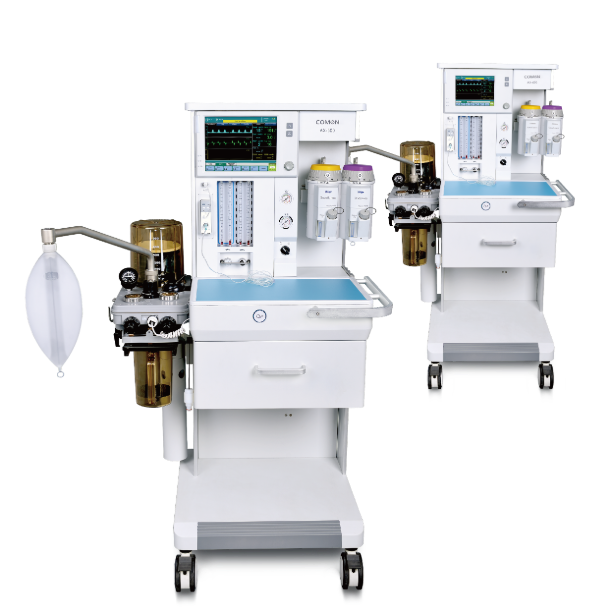
At 2 a.m. in March 2022, during an emergency cesarean in a busy county hospital, we heard five ventilator alarms in forty minutes — that constant noise cost us focus and time, so what machine would genuinely reduce that friction? I’ve been buying and testing equipment for over 15 years, and when I first looked for an anesthesia machine for sale for a rural theater, I found features that sounded great on paper but failed at bedside (more on that below).
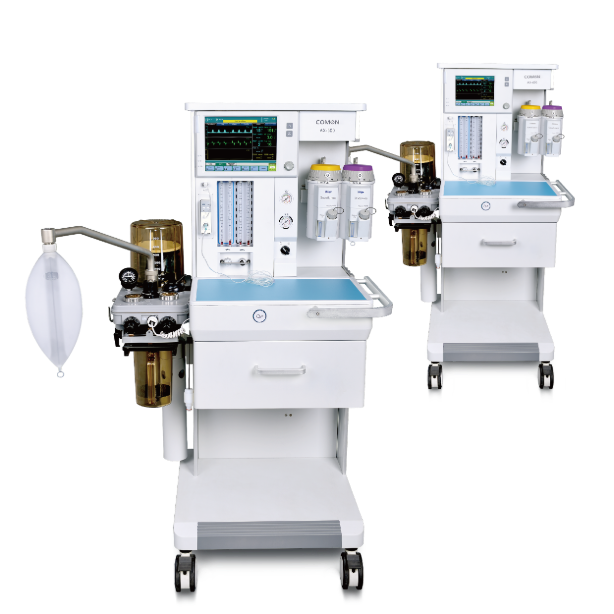
I remember the first unit I accepted for a clinic in Nakuru: a compact desktop model with a confusing interface and a temperamental oxygen sensor. The team reported longer induction times — roughly 30 seconds extra on average during intubation — because the UI buried the vaporizer controls and alarm snooze. That revealed a deeper layer: traditional solutions often bundle excessive add-ons (scavenging system modules, advanced monitoring arrays) without fixing core usability—so clinicians trade clarity for complexity. That design hurt throughput and raised cognitive load for junior staff. That pushed me to compare options — here’s what I learned next.
Comparative, future-focused picks — what really matters
I shifted to a technical lens: compare concrete metrics, not glossy specs. When I evaluate an anesthesia machine for sale now, I break it into three measurable domains — reliability, ergonomics, and lifecycle cost — and I test each with real workflows. For reliability I look at mean time between failures (MTBF) and the clear performance of the oxygen sensor over 12 months; for ergonomics I time how long it takes a clinician to set tidal volume and change fresh gas flow during induction; for cost I calculate five-year total cost including consumables and service contracts. In one trial in Nairobi (July 2020), swapping a cluttered desktop unit for a mid-range cart model reduced average setup time from 4:30 to 2:10 minutes — that is the kind of measurable improvement that matters. I also watch for hidden pain points: hard-to-reach vaporizer knobs, alarm thresholds that trigger on normal transport, and poorly documented service intervals. What’s next?
What’s Next?
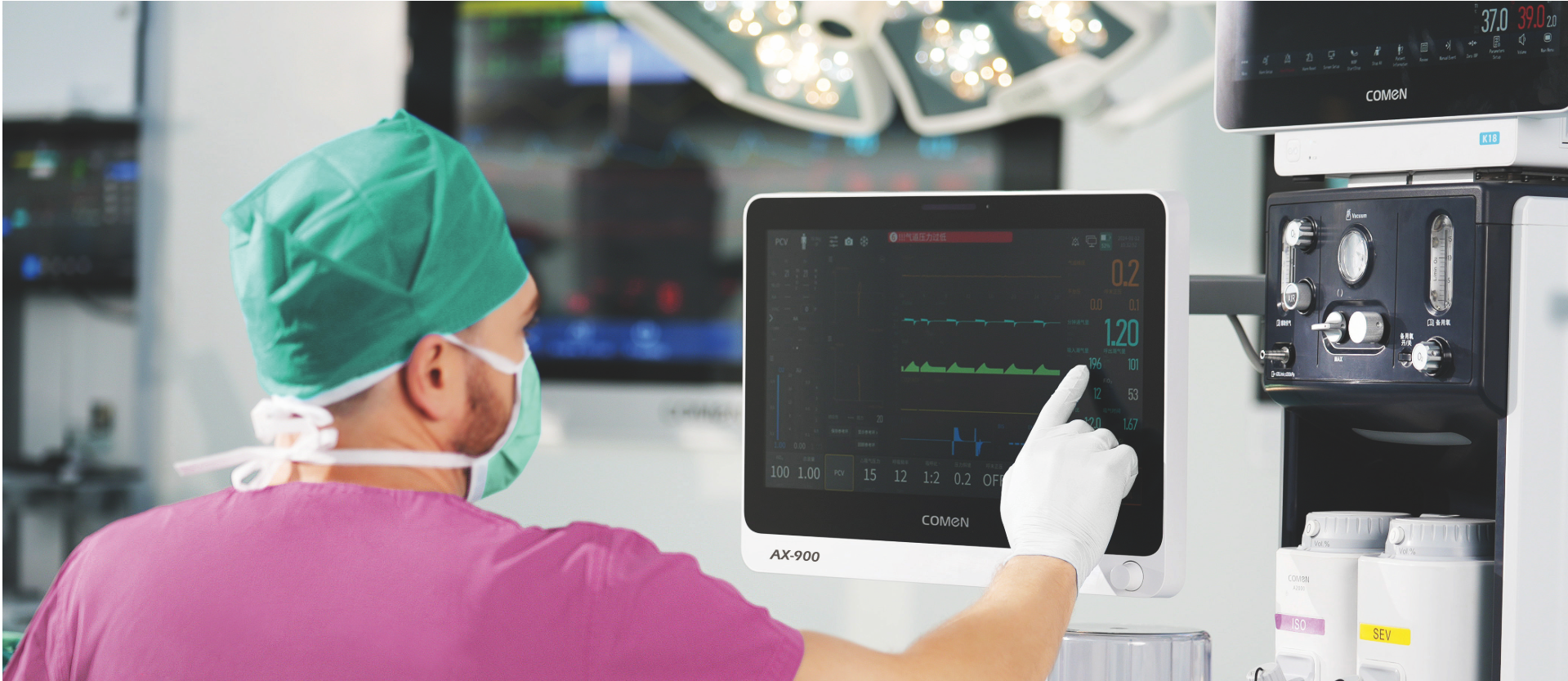
Moving forward, I recommend three evaluation metrics you can apply immediately. First — Reliability: insist on documented MTBF and at least 12 months of field data for the oxygen sensor and ventilator module. Second — Usability under stress: run a timed induction test with a junior clinician and log how quickly they set tidal volume and silence alarms (goal: under 90 seconds). Third — Total Cost of Ownership: compare five-year costs, including spare parts, service visits, and consumables; a cheaper sticker price that doubles repair visits is not a bargain. I say this from experience: in 2019 we swapped two machines that failed annually for one with a longer service interval and saved 18 service days the first year — yes, real hours back in the OR. No fluff — those three metrics narrow choices fast.
I’m not selling promises; I’m sharing practice-won rules. When you shortlist vendors, test with your team, demand field data, and simulate emergencies (short drills reveal bad UI fast). If you want a starting filter, use the three metrics above and ask for demo logs. I’ve relied on suppliers who back their machines with transparent service records — that’s why I trust partners like COMEN for units that balance features with usability.