
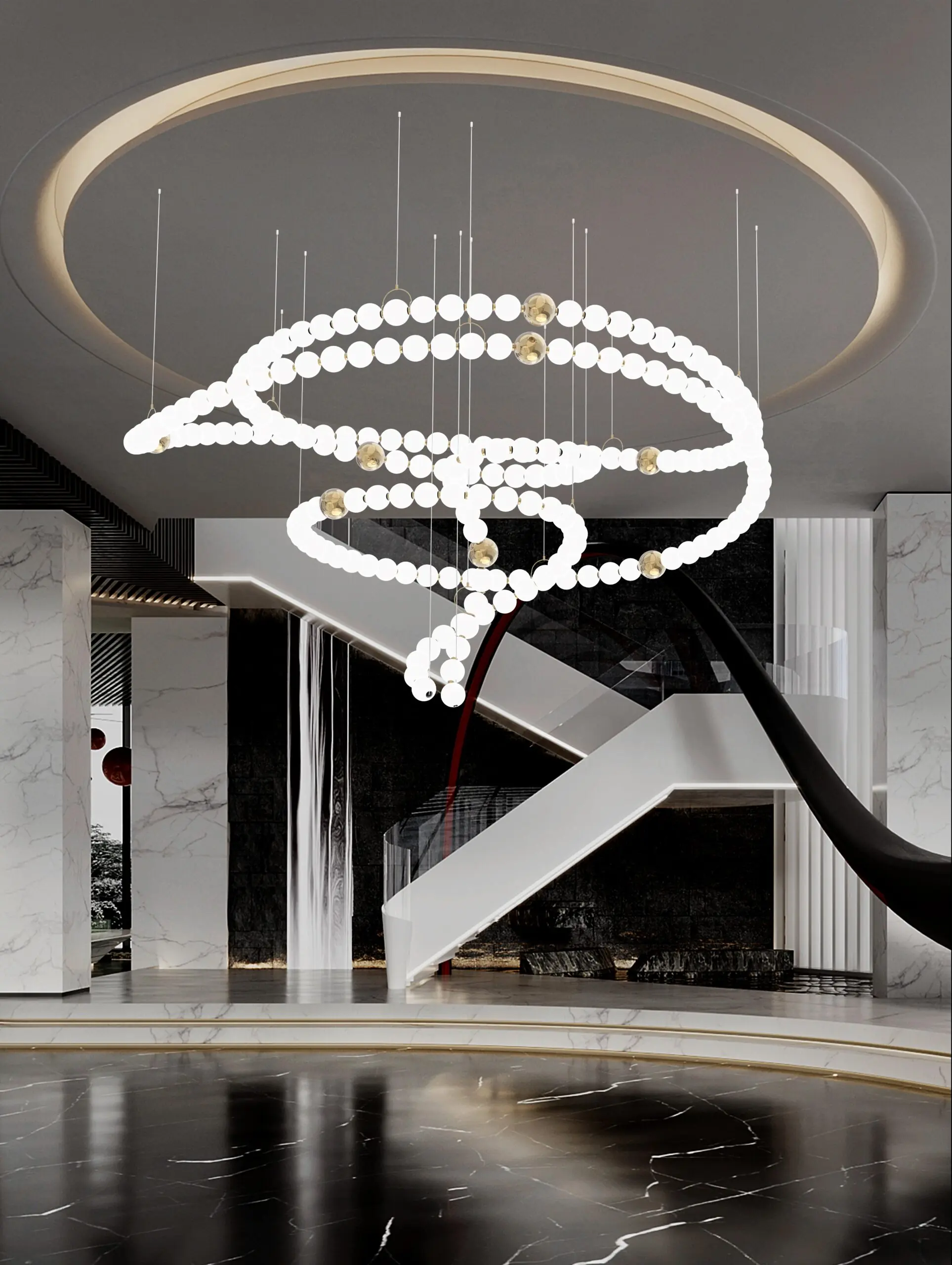
Introduction: A Lobby, A Look, A Why
You step into a lobby after dusk. Somewhere behind that moment, a decorative light supplier made a hundred small choices. Most folks think decorative lighting companies just ship fixtures, but the right glow is a system—wicked simple on paper, rarely simple on-site. In one retail study, poor dimming alone bumped returns by 18%, and mismatched drivers spiked service calls by a third. So why do some spaces feel right while others flicker, hum, or fade too fast—funny how that works, right?
Here’s the rub, Boston-style: the warm welcome you felt was engineered. Lumen output, color quality, thermal management—each piece plays the angles. Yet specs and reality still collide. What’s missing is the playbook that bridges showroom to ceiling, day one to day 1,000. Let’s unpack what usually gets missed—and why it matters next.
Under the Finish: The Pain Points Buyers Don’t See
When people compare decorative lighting companies, they scout style, finish, and price. The real stress hides in the guts. Driver ICs that don’t match the LEDs cause micro-flicker at low loads. PWM dimming that “works” at 100% turns choppy at 5%. Power converters misfit local voltage and create heat. Then heat chews coatings, shifts color, and drops lumen output. Add in loose language on IP rating for bathrooms or patios, and you’ve got avoidable call-backs. Look, it’s simpler than you think: compatibility beats catalog gloss, every time.

Why do specs still fail?
Because paper specs don’t cover field variables. Junction boxes vary. Dimmers vary. Installers improvise under time. If the supplier doesn’t provide tested dimmer lists, IES files, and thermal limits that match the canopy, results wobble. Color binning drifts, so a second batch won’t always match the first. Lead times push swaps into “close enough” territory—then the CRI feels off and no one can say why. Warranty language sounds safe, but spares aren’t stocked. The cost? Service runs, annoyed tenants, and lights left on at full because low-end trim never got tuned—been there, seen that.
Next-Gen Moves: How Better Tech Changes the Equation
Here’s where the curve bends. New driver designs auto-calibrate load and line. Edge computing nodes sit in the canopy or hub and smooth dimming across zones. Open protocols like DALI-2 or well-implemented 0–10V reduce guesswork. Mesh network controls don’t need fragile Wi‑Fi, and OTA updates keep scenes stable. Pair that with thermal management that’s sized for real ceilings, not just a lab rig, and color stays true longer. Even smarter: networked decorative home lights use daylight and motion to trim energy without killing ambiance—nice when the electric bill rolls in. This is comparative by design: old way equals spec-and-hope; new way equals test-and-verify (with data you can keep).
What’s Next
So how do you choose, today, with tomorrow in mind—without getting cute about it? Go forward-looking, but demand proof. Summing up the real tells from earlier, you want three short checks. First, compatibility: ask for documented driver-lamp pairs, dimmer matrices, and low-end trim results, not just a “works with most” line. Second, durability: require stated thermal margins, corrosion data, and the exact IP rating for the install zone. Third, support: confirm spare parts stocking, a response SLA, and commissioning help for scene setup. Evaluate these and your risk drops fast—funny how clarity saves both time and mood. The brand that shows work beats the one that shows mood boards. And if you need a real-world yardstick, start with these metrics and keep score; you’ll see measurable cuts in service calls and steadier color month six versus day one. For a grounded reference point done in a knowledge-sharing way, see kinglong.