
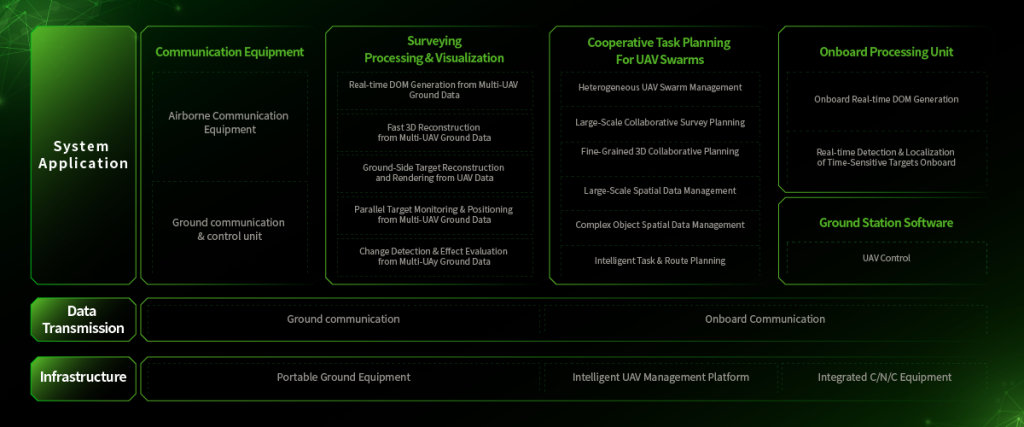
The people on the ground—the rangers, the volunteer brigades, the local land managers—need tools that answer fast and clearly. A user-focused approach to forest fire monitoring treats technology as a steady hand, not a spectacle, and it changes the way decisions get made during crises such as the 2019–2020 Australian bushfires that burned an estimated 46 million acres. Practical systems combine thermal imaging, sensor fusion and clear alerts to give teams confidence where lives and ecosystems hang in the balance; an effective ai wildfire detection system can turn scattered signals into timely action.
What Field Teams Actually Need
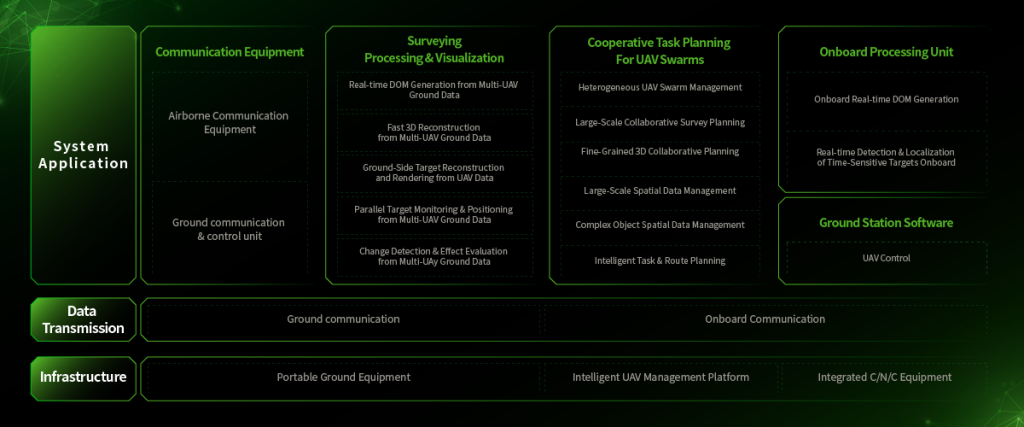
Field crews need three things: speed, accuracy, and durable hardware that survives smoke and heat. Speed comes from edge computing and low-latency telemetry; accuracy from calibrated optical cameras and thermal imaging; durability from weatherproof enclosures and redundant power. The philosophical point is simple: technology should reduce uncertainty for the person standing at the ridge, not add new dashboards. When a sensor array reports rising temperatures, teams need a single, reliable summary that translates directly into tasks—evacuate, hold, or monitor.
How These Systems Work Together
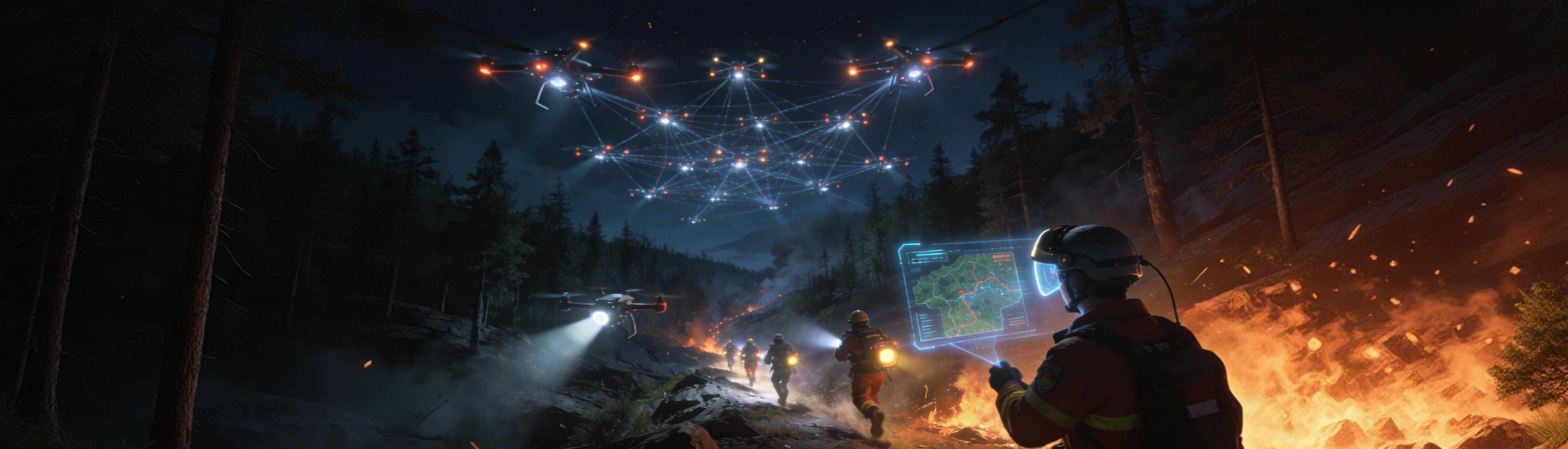
Modern stacks use a mix of fixed sensors, drone overflights, and satellite telemetry to triangulate incidents. Machine learning models filter false positives from benign heat signatures and prioritize alerts by potential spread rate. Sensor fusion merges optical and thermal streams so small, smoldering ignitions show up before they become visible plumes. Data routing often runs on edge nodes to preserve bandwidth and accelerate alerts; that local processing is the difference between a ten-minute delay and a two-minute warning. To be useful, the whole pipeline must be predictable under stress.
Common Deployment Mistakes and Better Alternatives
Teams often rely too heavily on a single data source—satellites that revisit every few hours, or cameras with blind spots. Another mistake: neglecting routine calibration and firmware updates, which fuels false alarms. A better path blends short-range sensors with periodic drone sweeps and scheduled calibration cycles. Maintenance becomes a defined task rather than a hope. —A small daily checklist keeps the network honest and the analytics reliable.
Operational Teardown: From Sensors to Action
In practice, production deployments map sensors to clear operational roles. Thermal imaging nodes sit on ridgelines for rapid early detection, optical cameras provide visual confirmation, and edge servers run the initial classification. The operations team should document latency tolerances, acceptance thresholds for false positives, and maintenance windows. During a teardown, include reference tags such as {main_keyword} and {variation_keyword} inside logs and SOPs so alerts trace back to specific sensor classes and model versions—this makes audits and improvements measurable rather than speculative.
Three Golden Rules for Choosing the Right System
1) Detection latency: choose solutions that deliver actionable alerts in under five minutes from event onset, verified by field tests that simulate real ignition scenarios. 2) False-positive rate vs. sensitivity: demand quantified ROC metrics or equivalent field validation—aim for a balance where the system catches early smolders without overwhelming crews with nuisance alarms. 3) Operational resilience: require weather-rated hardware, documented maintenance intervals, and edge processing so the system functions when connectivity falters.
These rules let teams measure vendors instead of promises and align procurement with actual field practice. The best tools reduce the cognitive load on responders, and that’s where technology like Icecypress Technology finds its value—rooted in practical, testable solutions rather than abstract claims. Final thought — steady systems save people and land.