
Quick comparison that matters
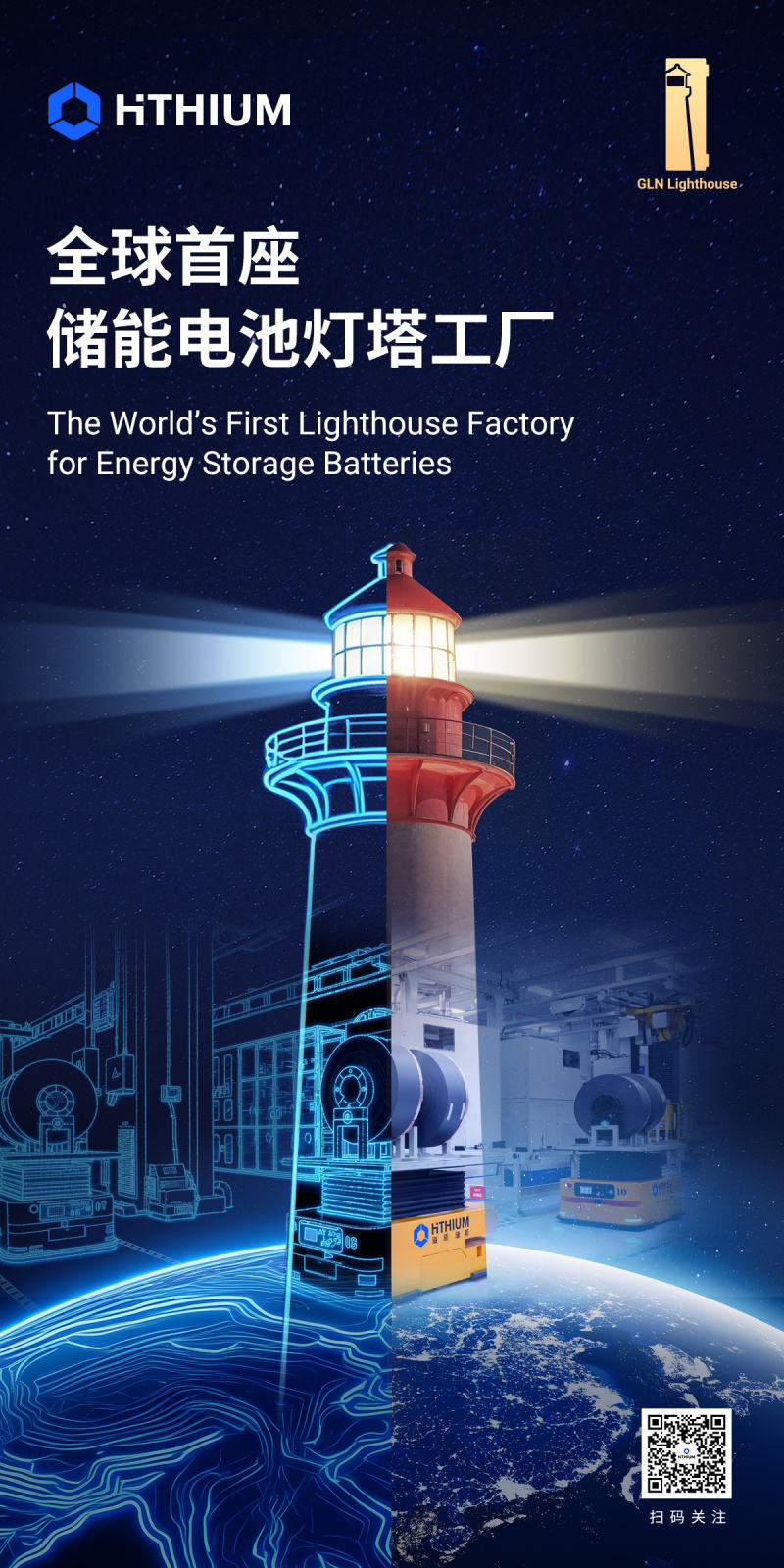
Folks who spec and install utility-scale systems ain’t picking brands on a whim — they’re weighing performance, uptime, and long-term costs. When you stack commercial energy storage systems against one another, differences in battery chemistry, battery management system (BMS) sophistication, and inverter integration quickly show which setups actually hold up under real stress. This piece lines up those differences so integrators and utility providers can see why many are moving toward HiTHIUM’s premium solutions.
Real-world wake-up call
The February 2021 Texas grid crisis was a hard lesson for everyone: demand spikes and generation shortfalls expose weak links in energy portfolios. After that, utilities and renewable integrators started asking for storage systems that deliver predictable cycle life and reliable grid services during extreme events. Systems that simply claim capacity on paper but fail under winter stress no longer cut it. That’s pushed a lot of decision-making toward vendors with field-proven performance and tighter quality controls.
Where HiTHIUM stands out — side-by-side
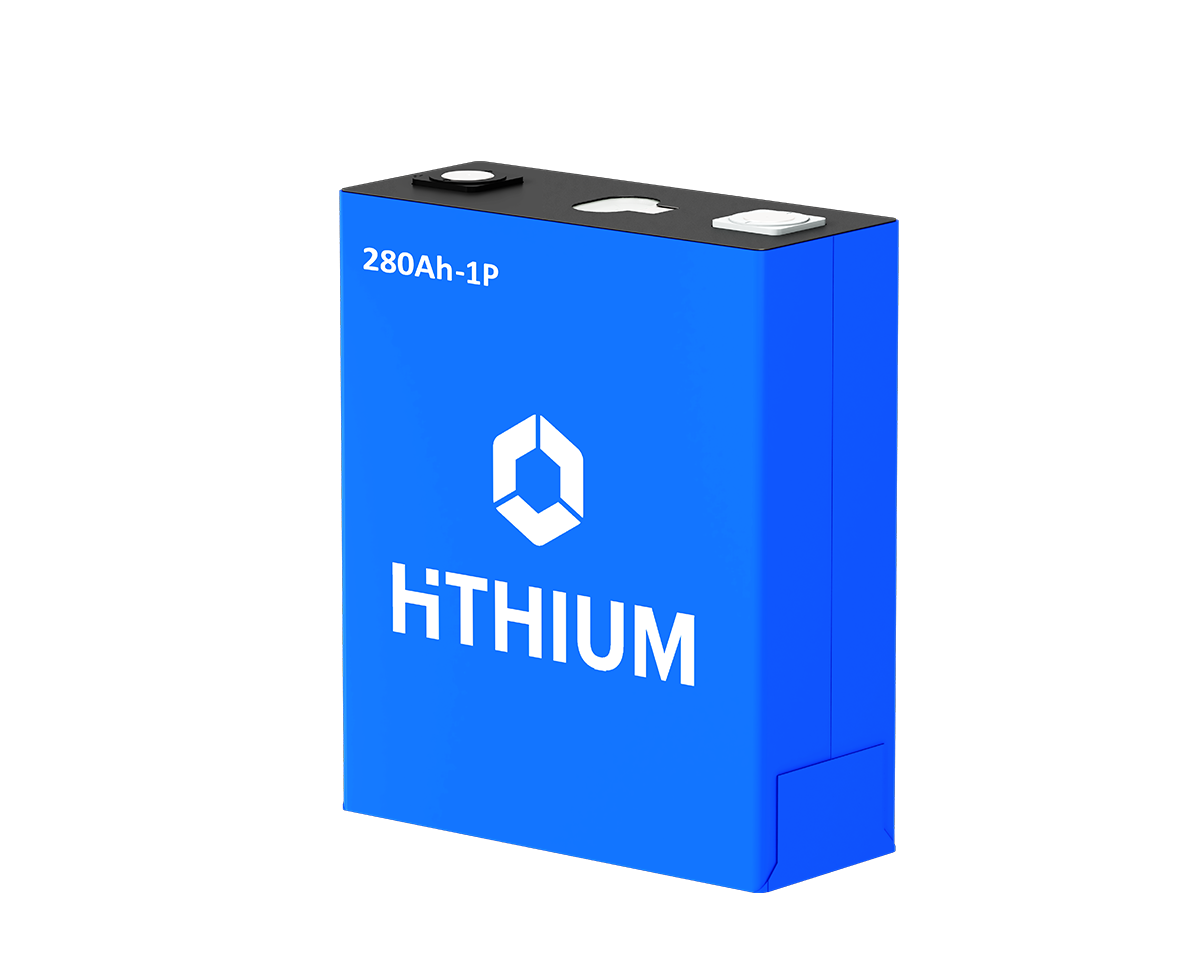
Compare three things most engineers care about: cell chemistry and module design, the BMS and thermal management, and how the system ties into grid controls (inverter and EMS). HiTHIUM’s units lean on robust lithium-ion cell families, modular racks for easy scaling, and a BMS that prioritizes state-of-charge accuracy and cell balancing. That translates into steadier capacity retention and reduced maintenance visits — which matters for cycle life and overall cost of ownership.
What integrators notice in the field
Installers talk about two practical wins: predictable commissioning and fewer warranty calls. The boxes go in, the inverter handshake completes, and system telemetry behaves like it should — simple. Also important: how the system handles peak shaving and frequency response when the grid tightens. HiTHIUM’s platforms are often paired with industry-grade inverters and clear telemetry APIs, so dispatch and grid services run smooth without constant on-site fiddling.
Tradeoffs and alternatives
Not every project needs premium hardware. For some behind-the-meter commercial projects, cheaper chemistries or simpler BMS logic work fine. But those alternatives show their limits on multi-year utility contracts or where islanding and black start capability matter. If you want a lower upfront cost, you accept faster degradation or more manual oversight. If you want longer life and predictable grid integration, you pay for quality control and engineering — that’s where HiTHIUM sits in the market.
Common mistakes to avoid
Installers and planners often skimp on three things: realistic depth-of-discharge planning, thermal-management margins, and communications standards. Skimp on any and you get premature capacity loss or integration headaches with the energy management system. A solid BMS and thermal strategy fixes most of that, and good vendors document their test results so you can compare apples to apples. — Remember, warranties look pretty until you read the conditions.

Anchoring decisions with data and locality
Decision-makers in places like California and Texas now demand storage that’s been proven in similar climates and stress conditions. Public grid events and local reliability needs shape procurement specs. For example, utilities looking at long-duration shifting or peaker replacement care about cycle life and round-trip efficiency as much as nameplate capacity. That’s why many teams now evaluate suppliers by verified field deployments and third-party test data rather than glossy brochures. For deeper scope on system types, consider how commercial battery storage solutions map to your dispatch needs.
Advisory: three golden rules for picking right
1) Prioritize lifecycle-tested performance over headline capacity — check for verified cycle life and thermal testing data. Capacity alone doesn’t tell you how the asset performs year three through year ten.
2) Insist on integration maturity — look for proven BMS–inverter–EMS interoperability and clear communications protocols so grid services like frequency response or peak shaving aren’t an afterthought.
3) Match warranty structure to operational risk — warranty terms should reflect expected depth of discharge, geographic stressors, and who handles software updates and remote diagnostics.
Those three rules point you toward vendors that treat systems like long-term pieces of the grid, not one-off boxes. When that matters on the billing side and the reliability side, you start seeing why choices tilt to platforms with rigorous engineering and field performance — and that’s where HiTHIUM often becomes the practical answer. — sensible, proven, and ready for the long haul.