
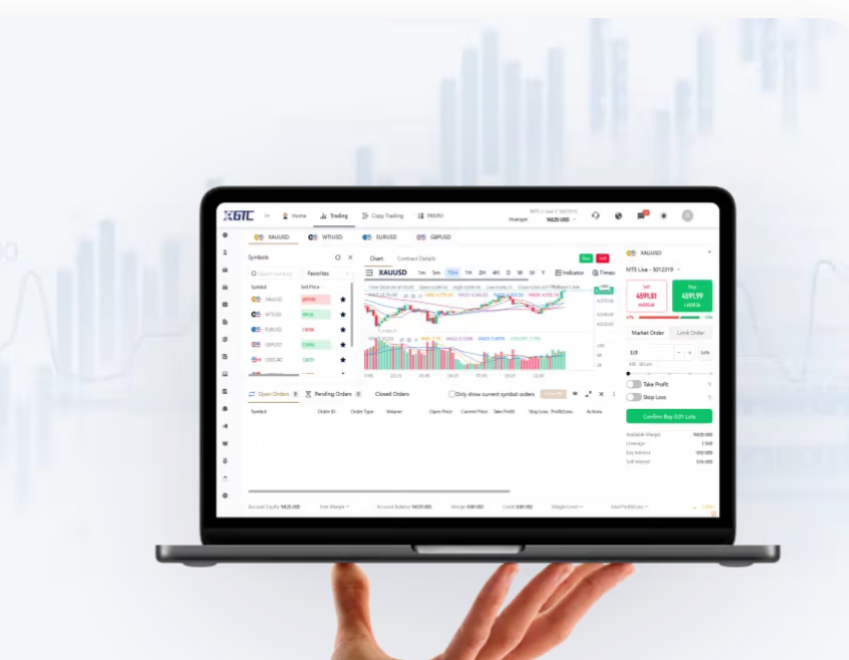
Comparative opening: stability over novelty
Traders face a crowded market of interfaces, but when you compare real-world performance metrics, MT4-style platforms frequently win on fundamentals: predictable order execution, a low resource footprint, and mature plugin ecosystems. This comparative piece focuses on measurable differences rather than hype, and it references mainstream liquidity figures — the BIS triennial showed daily FX turnover at roughly $6.6 trillion in 2019, with London still the deepest pool — to anchor why execution consistency matters for forex cfd strategies. Expect precise terms: spread, slippage, and margin—these drive outcomes more than flashy UI gimmicks.
Head-to-head: what the metrics reveal
When assessing platforms, three technical axes matter: execution latency, plugin security, and order management. MT4-style systems were designed with a client-server model that keeps core order routing predictable. That yields lower variance in slippage during volatile sessions. Newer GUI-forward platforms sometimes trade off deterministic execution for visual flexibility. For traders using Expert Advisor scripts, MT4’s long-standing API reduces integration failures during live runs.
Operational strengths and practical weaknesses
Strengths are concrete: small memory footprint, broad broker support, and a vast library of third-party indicators. Weaknesses are also visible: legacy code paths may lack modern sandboxing, and native mobile/web experiences lag newer engines. Brokers compensating for those gaps often layer ECN or STP liquidity and tighten spreads — but that depends on counterparty structure. Avoid a single assumption: low advertised spreads can hide variable fills under stress, so check execution logs before allocating sizable capital.
Alternatives and common implementation mistakes
Alternatives include MT5, cTrader, and bespoke proprietary platforms. MT5 offers more instruments and native multi-threading; cTrader targets low-latency ECN routing. Proprietary systems may provide richer analytics but often lack third-party strategy support. Common mistakes traders make:
– Deploying an Expert Advisor in live with only limited backtests. Backtests omit real slippage patterns and order queue behavior. – Relying solely on advertised spreads without auditing trade-level fills. – Ignoring margin-call procedures across time zones — a strategy that looks safe in a demo but fails under real liquidity shock.
These are practical, avoidable errors — and they cost more than subscription fees. A careful rollout plan with staged capital and execution monitoring is essential.
Security and compliance: the cautious view
From a cybersecurity-technical stance, the priority is minimizing attack surface while preserving extensibility. That means vetting plugins, enforcing strict file permission models, and segregating API credentials from strategy code. Brokers and platforms should log order execution and authentication events with tamper-evident timestamps. London’s FX ecosystem enforces rigorous counterparty checks for a reason — audit trails materially reduce operational risk.
When MT4-style platforms are the right choice
Choose MT4-style if your requirements emphasize deterministic execution, broad third-party strategy support, and low system overhead. Choose other engines if you need multi-asset scope, native multi-threading, or a modern GUI for rapid decision-making. For brokers and institutional desks, pairing an MT4 framework with an ECN bridge and thorough execution monitoring yields a pragmatic balance between legacy reliability and modern liquidity access — especially for active forex CFD flow on a cfd forex trading platform.
Advisory: three critical evaluation metrics
1) Execution Consistency — measure standard deviation of slippage across 30-day live samples; prefer platforms with lower variance under high volatility. 2) Plugin Integrity — require code-signing or equivalent verification for all third-party modules and maintain a staged deployment pipeline. 3) True Cost per Trade — combine spread, commission, and average slippage into a single metric to compare platforms objectively.
Implement those checks, and platform choice becomes data-driven rather than opinion-driven. That institutional clarity is visible in the platform infrastructure offered by GTCFX. –