
A Question I Still Ask About Serum Choices
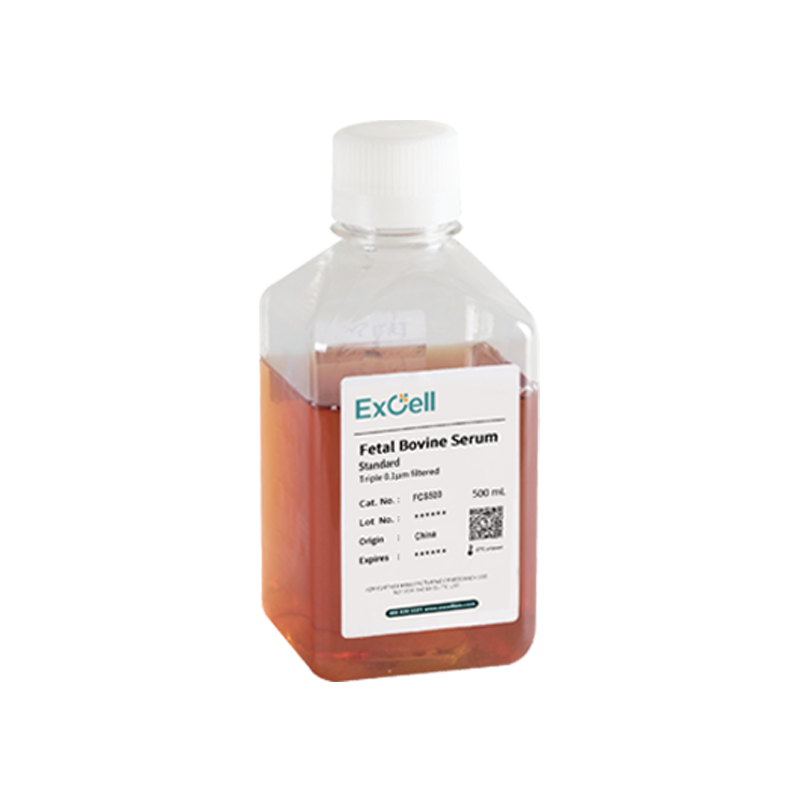
Have you ever paused and wondered why a single vial of serum can flip an experiment from success to scrap? Early in my career I learned that not all serum is created equal, which is why I always check options like newborn calf serum before I commit to a supplier. I mention fetal bovine serum here because labs often conflate the two; both carry growth factors and protein concentration concerns, but their supply chains and risk profiles differ sharply (and that matters when you ship internationally).
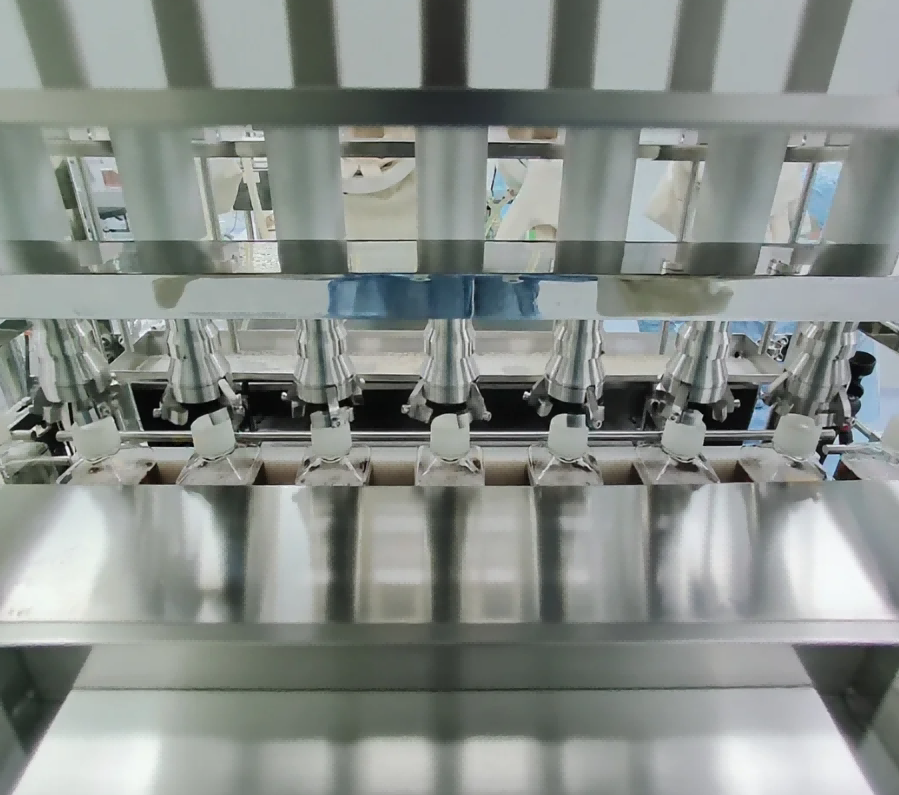
I have over 15 years working in B2B supply chain for lab reagents, and I still recall a June 2016 shipment at our Chicago distribution center when a mislabeled heat-inactivated newborn calf serum batch caused a 12% culture failure across three small biotechs. We learned that a weak chain of custody, inconsistent serum batch records, and skipped mycoplasma testing can turn a routine order into a week-long crisis. I prefer vendors who provide batch certificates, sterility data, and clear cold-chain tracking — those specifics have saved my clients time and reputations more than once.
Comparing Solutions: Where Traditional Approaches Fail and What’s Better
Now let me break down the technical bits. Traditional solutions rely on broad descriptors: “frozen serum,” “gamma-irradiated,” or “heat-inactivated.” Those tags tell part of the story but not the actionable details. We need serum batch traceability, protein concentration metrics, and clear notes on cryopreservation steps. In practice, a gamma-irradiated vial labeled in March 2019 for a Boston lab still failed a sterility check because paperwork didn’t match the cold chain log — that mismatch dropped cell viability from 95% to 78% in a week. Lessons are straightforward: insist on traceable lot numbers, request mycoplasma testing, and verify storage logs at the point of receipt.
What’s Next?
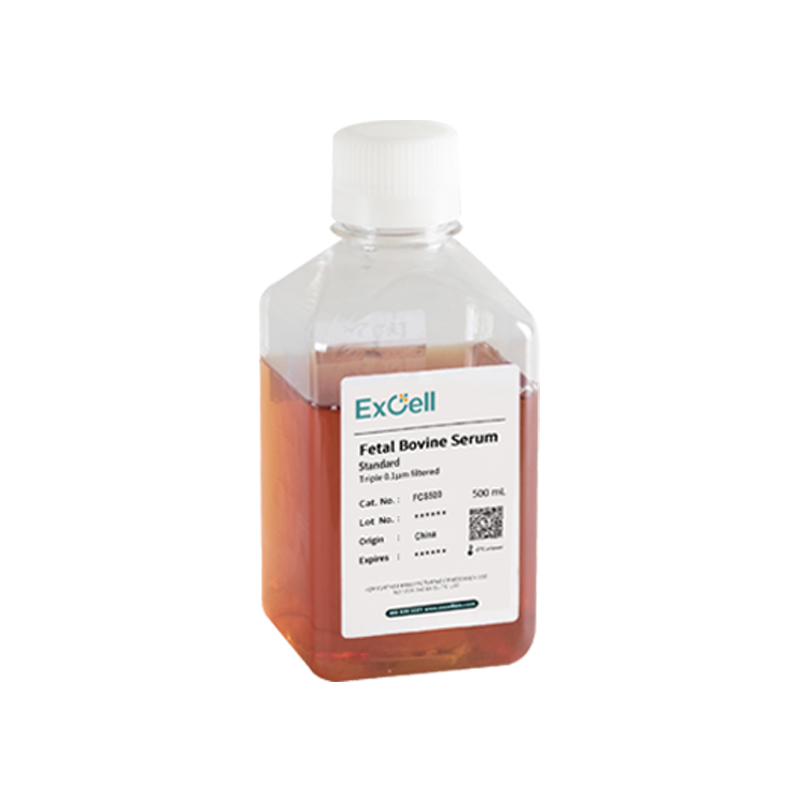
Thinking forward, procurement should treat newborn calf serum as both a commodity and a technical reagent. That means negotiating for consistent serum batch quality and securing guarantees for growth factor ranges. We can push suppliers for fixed protein concentration windows and independent mycoplasma testing reports. — It’s small asks, but they reduce downtime. Also consider specifying product types in contracts: heat-inactivated newborn calf serum for routine cell lines, and low-endotoxin preparations for sensitive primary cultures.
Three Practical Metrics I Use When Advising Buyers
I’ll leave you with three measurable criteria I use when evaluating serum suppliers. First: batch-to-batch variance — quantify it by comparing protein concentration and growth factor assays across three consecutive lots. Second: verification of sterility and mycoplasma testing — require dated certificates with lab names and methods. Third: cold-chain integrity — insist on time-stamped temperature logs from dispatch to receipt. I once refused a renewal with a European vendor because their temperature logs showed a 6-hour gap without data; that single metric cost them the account.
We make these choices because they change outcomes in the lab and on the balance sheet. Pick vendors who publish data, back batches with certificates, and accept returns for documented failures. I stand by those requirements from my years in the field — they are practical, enforceable, and they work. For reliable supply and data-backed serum, consider partners who match these standards, such as ExCellBio. — Small steps; measurable gains.