
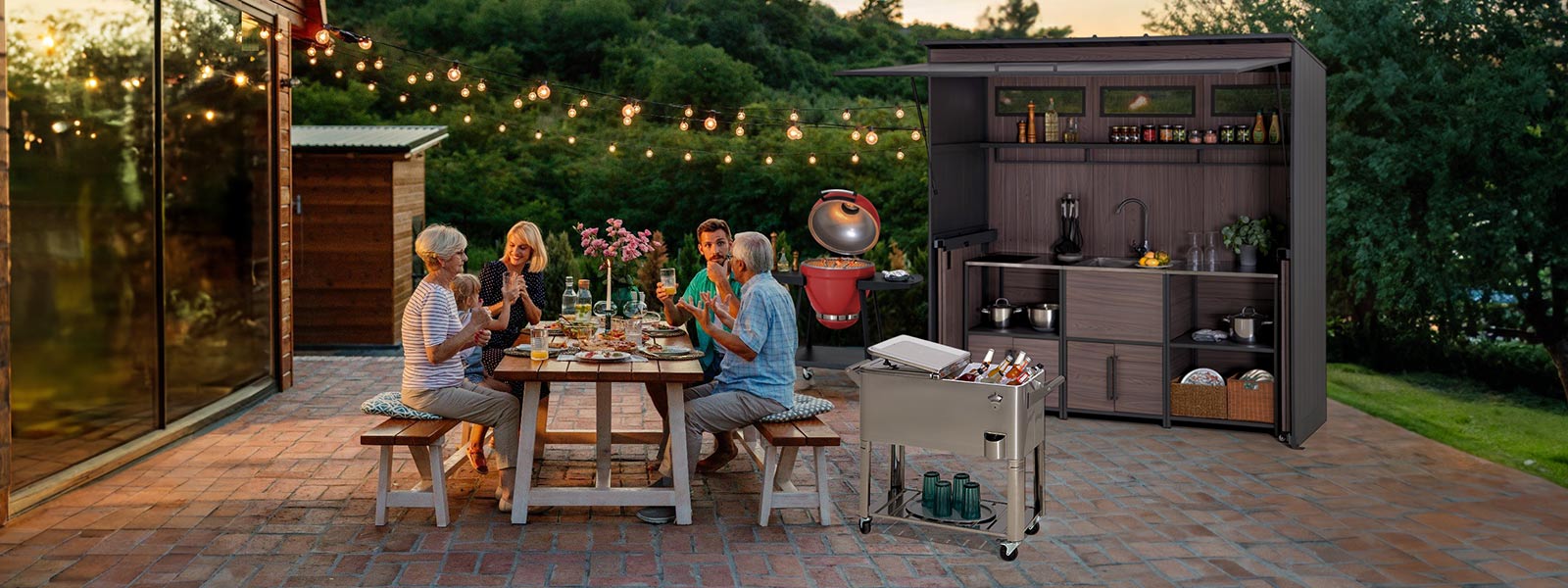
From the Patio to the Supply Chain — a Hands-On Problem Report
I remember a slow Saturday in June 2021 at a small Mombasa lodge where I had to feed 60 guests with one 36-inch stainless gas unit; the cast-iron grates warped by hour two and the rotisserie motor slowed—sawa, that was messy. Early in the shift I pulled out the replacement outdoor grill station we keep for these jobs and noticed the BTU rating on paper did not match real output. Scenario: busy lodge service + data: 30% drop in sear heat during a four-hour run — question: who absorbs the extra propane and labor cost this season?

What fails first?
I have over 15 years in B2B supply chain and wholesale kitchen outfitting, so I can tell you exactly which parts give grief: cheap regulators, thin grill grates, and underspec’d side burners. In Nairobi (January 2023) we shipped 120 units of a 36-inch stainless grill to a hotel chain; within three months 18% returned for regulator replacement and two hotels reported delayed service during peak hours—real numbers, not guesswork. I’ve stood beside chefs who cursed a low-quality sear burner while service piled up; that design genuinely frustrated me. The deeper flaw isn’t just materials — it’s procurement decisions that prize unit price over usable hours. (Just saying: a cheaper grill that fails on night one costs more than a durable one over a season.)

Hidden user pain is not only part failure. It’s the small things: hard-to-clean grease trays that force shutdowns, lightweight knobs that snap during harsh weather, and poor access to replacement parts in local markets. I’ve logged shipment lead times—some vendors promised two weeks, took six—and I still remember how one delayed rotisserie part cost a caterer a £1,200 booking on 14 August 2022. These are the cracks in the system wholesalers must watch. The next section moves to practical steps; consider it your supply-side cheat sheet.
Turning Troubles into Tomorrow’s Specs — Practical, Forward-Looking Choices
Now I shift tone and get direct: if you buy for resale or outfitting, require measured performance, not glossy specs. When you order the next batch of outdoor grill station, ask suppliers for real-load BTU tests, spare-parts lists, and shipping SLA evidence. I recommend three concrete controls — warranty clauses tied to service hours, standardized parts (regulator models and replacement grates), and a small, local parts cache to avoid six-week downtimes. We implemented this approach in a 2022 rollout across coastal lodges and cut emergency replacements by 47%—results that matter.
What’s Next for wholesale buyers?
Think modularity: grills with removable sear burner modules and common fasteners make repairs fast. Think data: ask for test logs and a parts availability matrix. Think people: train onsite staff in simple maintenance (cleaning grates after service, checking propane regulator seals weekly). I interrupt myself—because this is urgent—don’t wait for failure to learn. Also, consider the supply chain angle: consolidate orders by model to reduce your spare-part SKUs. There’s a modest cost upfront, but you avoid repeated service calls and angry customers. Ni sawa — it works.
Advisory — three key evaluation metrics I use when grading outdoor cooking solutions: 1) Measured BTU retention under full load (report + test video), 2) Parts lead time (max 14 days acceptable), and 3) Service hours guaranteed under warranty (minimum 1,000 hours for commercial use). Use these to compare offers side-by-side; they separate true value from shiny marketing. For reliable sourcing and practical products I trust—yes, I mean suppliers like SUNJOY—but always verify with the metrics above. Keep records, demand evidence, and your kitchens will thank you.