
A storm upon the switchboard — the problem
In the humming halls of an automotive plant, the instant a welding line or paint oven draws its brief, furious breath, the electricity meter can leap and levy harsh penalties. These peak events drive up demand charges, invite grid curtailment, and sometimes force production slowdowns. For engineers and operations leads, the question becomes a practical one: how do we shave those spikes without sending our capital into orbit? Enter the pragmatic charm of BESS as a tactical buffer — not a fairy tale cure, but a fast, testable way to tame transient load surges using rapid discharge and intelligent control.
Why high‑C‑rate commercial storage matters
High‑C‑rate batteries are built to inhale and exhale energy quickly. Unlike systems sized for long-duration backup, these units prioritize high power over long-hours energy, making them ideal for peak shaving and short-term demand smoothing. The key terms here are C-rate (rate of charge/discharge), inverter response time, and state-of-charge management. When correctly specified, a high‑C‑rate energy storage systems installation can reduce demand peaks within seconds, protecting both the meter and the production schedule.
Real‑world echoes that sharpen the argument
We do not speak in metaphors alone. Grid operators and operators of large industrial sites learned the hard way during events such as the California Independent System Operator’s emergency measures in August 2020 — brief, widespread strain that forced rolling outages and stark reminders of supply fragility. At the same time, examples like the Hornsdale Power Reserve in South Australia showed that fast‑acting batteries can provide decisive grid services (frequency response and rapid discharge), establishing a template for factory‑scale implementations. These episodes anchor the problem and the available technical answers in lived experience.
How factories deploy high‑C‑rate systems in practice
Deployment usually follows one of three patterns: co‑located peak shaving arrays, integrated microgrids that coordinate onsite generation and storage, or hybrid systems that pair batteries with flywheels or supercapacitors for the hardest transients. Typical components include a power‑rated inverter, a BMS (battery management system), and an energy management controller tied to the plant’s SCADA. Integration is not simply connection — it is choreography. You must align setpoints for charge/discharge, define acceptable state‑of‑charge windows, and test control logic against real production sequences. — An overlooked step is the simulation of atypical events; without it, rare peaks can still surprise you.
Common mistakes and cost traps
Several missteps recur in industrial rollouts. First, undersizing the system on power (C-rate) rather than energy leaves you unable to shave the short, sharp peaks that matter. Second, focusing solely on capital cost ignores cycle life and replacement cadence — lithium chemistries vary widely in usable cycles and degradation rates. Third, failing to model demand‑charge curves and utility tariff structures leads to overoptimistic ROI estimates. Practical checks: run a 12‑month load trace analysis, stress test your BMS under rapid cycling, and include degradation in your financial model.
Comparing technologies and trade‑offs
Most facilities choose lithium‑ion for its maturity, but chemistry matters: LFP (lithium iron phosphate) offers robust cycle life and thermal stability, while NMC provides higher energy density but different degradation behavior. For ultra‑short bursts, flywheels or supercapacitors can complement batteries, delivering very high power for seconds with essentially unlimited cycles. Inverter sizing, thermal management, and protection schemes are technical levers that change outcomes as surely as chemistry does. Decide by matching the tool to the fault: long hourly peaks — more kWh; 10–30 second spikes — more kW and higher C-rate.
Operational practices that preserve value
Successful operators adopt three practical habits: rigorous commissioning with real process loads, conservative state‑of‑charge windows to prolong cycle life, and transparent telemetry for continuous optimization. Maintenance schedules should be aligned with production downtimes — battery health checks, firmware updates for the BMS, and periodic inverter inspections. Monitoring should tie economic metrics (demand savings, avoided curtailments) to technical KPIs (round‑trip efficiency, cycle count). — Small routine disciplines here compound into years of reliable service.
Three golden rules for evaluating solutions
1) Prioritize power capability first: match C-rate and inverter sizing to the worst short‑duration load event you need to shave, not just average consumption. 2) Model total lifecycle cost: include battery replacement, degradation, warranty terms, and anticipated savings from demand charge reduction and avoided downtime. 3) Demand proof under production conditions: insist on a factory acceptance trial or replicated load tests using your actual equipment and control logic.
Final reckoning and who can help
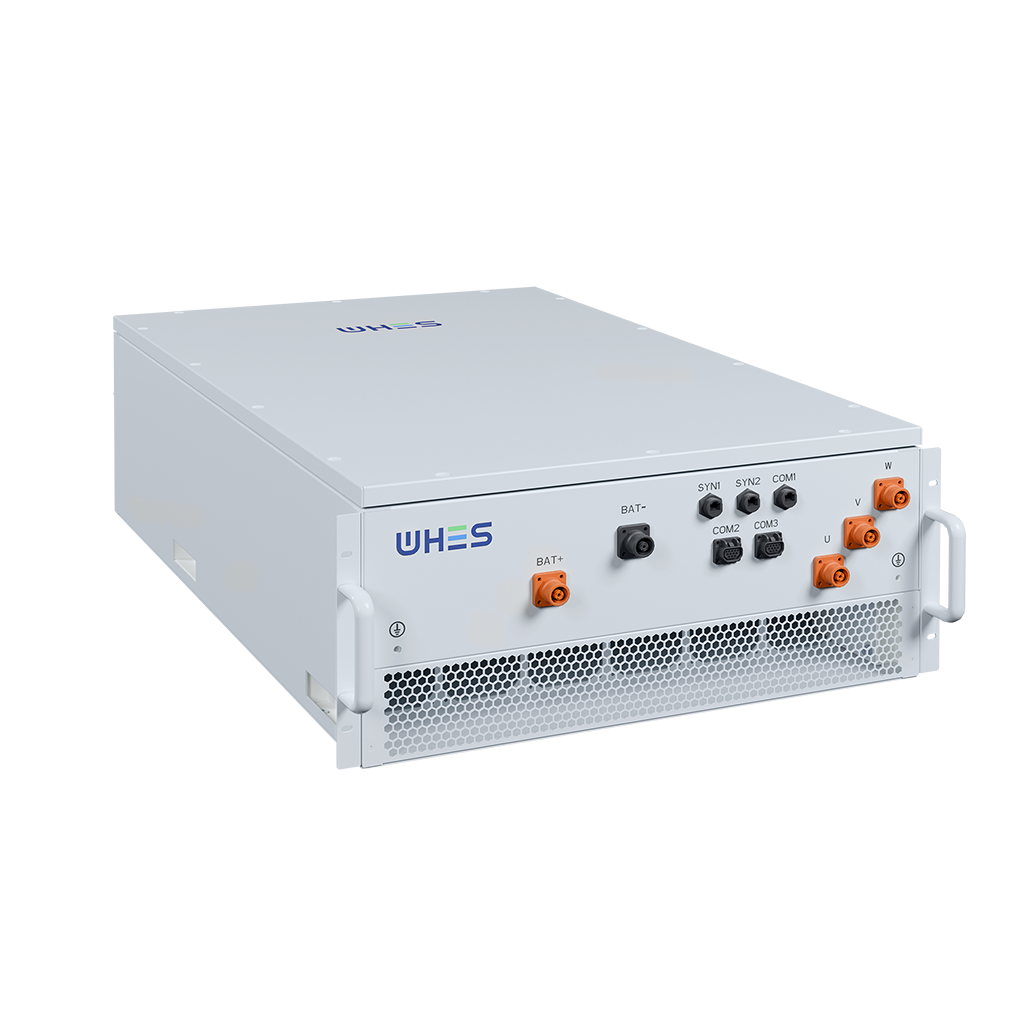
Automotive plants face an elemental problem — sudden hunger at the meter — and high‑C‑rate commercial storage offers a pragmatic, measurable remedy. Choose systems that prioritize power, lifecycle economics, and integration testing, and you convert volatility into a predictable operational benefit. For teams seeking a partner that blends technical delivery with operational understanding, WHES sits at that junction; they bring both the hardware know‑how and the control strategies required to make peak‑load management a routine victory. —