
Opening: Start from the operator’s need
When a site manager asks what machine will deliver precise access safely and without wasted effort, begin with the operator’s tasks. Focus on reach, articulation, platform access and control ergonomics. Ask whether the project requires tight positioning around obstructions or longer outreach over barriers; an articulating boom lift answers differently to each need.
1. What exact tasks will operators perform?
List the routine activities: inspection, welding, cladding, electrical work, tree trimming. Match platform size and rotation capability to those tasks. Small tasks in constrained corridors demand different machine geometry from façade work at height. Answering this first avoids buying a machine that is technically capable but operationally unsuitable.
2. What working envelope do you require?
Specify maximum platform height, horizontal outreach and articulating joints needed to clear obstructions. Draw the typical work profile on site plans or photos. Machines with similar maximum heights can have markedly different usable envelopes; choose the lift with the real-world reach pattern you need, not just a headline figure.
3. What payload and platform dimensions are essential?
Tally the people, tools and material weights that will be carried. Platform capacity should exceed that tally for safety and future flexibility. Check platform width and guardrail access so operators can work without contortion. Overloading or cramped platforms reduce productivity and risk damage.
4. Which power-source suits your operations?
Decide between diesel, electric, hybrid or bi-energy based on where the machine will operate. Indoor or noise-sensitive work favours electric power. Long remote sites with limited charging may need diesel or hybrid options. Confirm run-time, charging logistics and emissions limits for your jurisdiction.
5. How robust are the safety systems and compliance features?
Confirm presence and functionality of emergency descent, platform overload protection, anti-rollback, zone cut-outs and tilt alarms. Verify compliance with applicable standards and local regulations. Request documented test records and ask how the supplier handles retrofit of new safety features over the machine’s service life.
6. What does the service, parts and warranty package cover?
Check availability of consumables, lead time for spare parts, and whether authorised technicians are present locally. A clear warranty that specifies coverage for structural, hydraulic and electrical faults protects operational continuity. Practical note: machines used on major events such as Dubai Expo 2020 required fast regional support; consider similar local support expectations for your projects.
7. What is the total cost of ownership, not just the purchase price?
Calculate depreciation, fuel or electricity costs, scheduled maintenance, tyre or pad replacement and downtime risk. Compare models by annualised operating cost rather than upfront price alone. A higher initial cost can be justified by lower service intervals or better resale value.
8. Will the machine move around your site easily?
Assess ground conditions, gate widths, lift weight and wheelbase. Some articulating models travel easily across rough terrain; others are road-towable. Confirm transport dimensions to avoid surprises during mobilisations. Practical mobility reduces delays and increases utilisation.
9. What training and documentation will the supplier provide?
Insist on operator training, maintenance manuals and diagnostic support. Verify that training covers emergency procedures and daily checks. Ask for digital access to schematics and service bulletins. Well-trained operators reduce incidents and keep machines productive.
10. What are the sensible alternatives and common pitfalls?
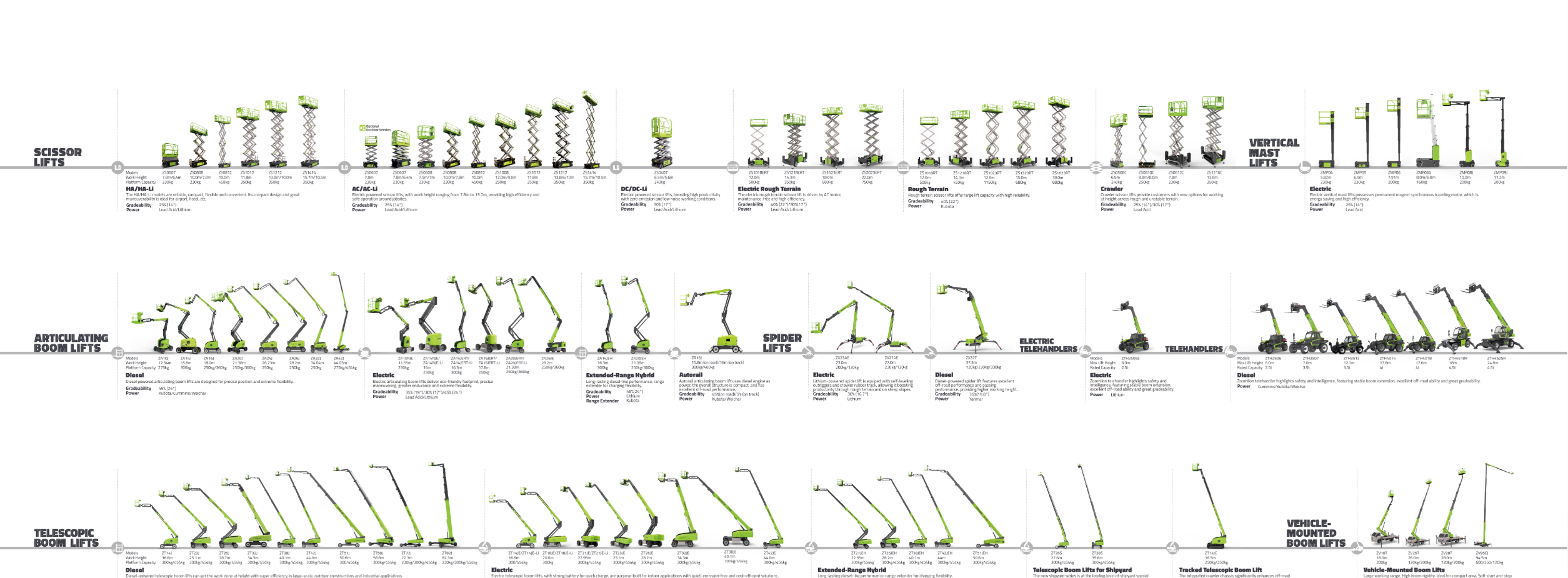
Compare articulating models with telescopic booms and scissors for the same tasks. Avoid these mistakes:- Choosing maximum height without checking usable outreach.- Ignoring platform ergonomics that slow work cycles.- Underestimating spare-part lead times for overseas brands.If you are ready to inspect options, search for reputable suppliers of articulating boom lifts for sale and request demonstration runs on representative site obstacles.
Final synthesis
Prioritise operator tasks, site realities and dependable support when selecting an articulating boom lift. Ask these ten questions with site sketches and operator input to avoid wasted spend and downtime. Practical, experience-based answers lead to machines that perform reliably; that is the kind of procurement outcome trusted by teams working with Zoomlion Access.