
Common operational problems that trigger a retrofit
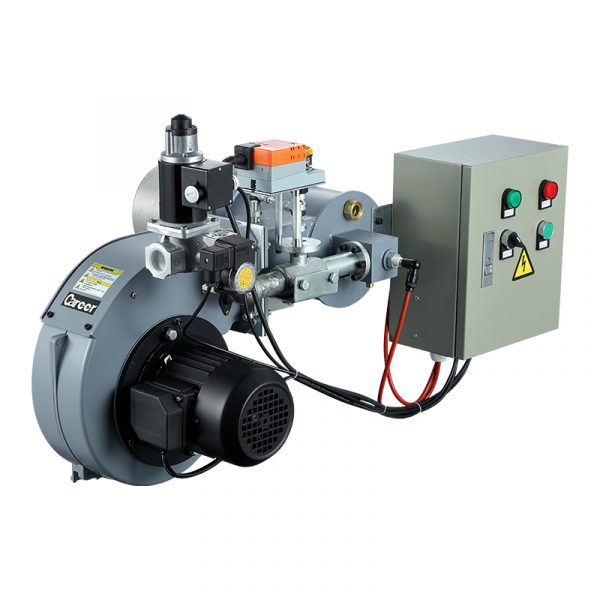
Plants report unstable flame behavior, high stack losses, frequent trips, and mismatch between burner output and process demand. When you scope an upgrade, start from what trips: flame failure, pressure drops, or oscillating combustion. If the plan is to swap fuel or boost capacity, test the line and confirm you can mount an industrial gas burner without reworking the boiler backhead. That single check removes a lot of hidden scope.

Diagnose root causes, not symptoms
Ask three technical questions: is the fuel supply steady at required pressure and quality; does the burner have the correct turndown and firing range; are combustion air and flue paths matched to the heat exchanger? Measure steady-state and transient fuel pressure, verify air-fuel ratio control bandwidth, and log stack temperature during load swings. Those data points identify whether the issue is mechanical, controls, or piping.
Design checklist for an LPG burner integration
Work through a short, firm checklist: confirm fuel spec and dew point; pick a burner with the required turndown ratio and flame monitoring method; size valves and regulators for worst-case pressure drop; specify a purge sequence and interlocks; ensure the stack and draft system handle changed flue gas volume and temperature; and confirm service access. Use concrete specs: turndown (e.g., 8:1 vs 4:1), flame detector type (UV vs IR), and max allowable NOx for the site. If a vendor sheet lacks these numbers, ask for them.
Controls and safety integration
Controls must be deterministic. Implement a burner management system with voted inputs for flame detection, fuel valve proving, and lockouts. Use analog control for modulation and a fast valve actuator sized to prevent hunting during common load steps. Ensure sensor placement avoids condensed flue gas and that oxygen trim loops are tuned against the process—not overreactive. Hard interlocks should stop fuel, not just alarm; alarms are for operators, interlocks protect equipment and people.
Real-world anchor: what works on industrial sites
On industrial sites in the Ruhr region of Germany technicians routinely replace legacy units with modern packaged gas burner for industrial use that bring documented burner curves and local support. Those teams standardize commissioning tests, and they insist on service exchange modules for safety-critical parts. That kind of field practice—clear specs, spare modules, and repeatable commissioning—keeps units running through heavy duty cycles.
Commissioning steps that catch problems early
Run a staged commissioning plan: mechanical inspection and leak test, purge verification, low-fire and high-fire checks with O2/CO monitoring, dynamic load tests while logging pressure and flow, and a fault-injection check for safety trips. Record results and baseline the control PID and oxygen trim. A signed commissioning log is a practical tool for future troubleshooting.
Frequent mistakes and how to avoid them
Don’t buy by price alone. Common errors: choosing a burner with insufficient turndown, undersizing fuel regulators, skipping dynamic load testing, and neglecting spare parts for flame control modules. Avoid the temptation to reuse an old blower or actuator without verifying performance margins. These shortcuts show up as recurring trips or premature component failure.

Viable alternatives and when to pick them
Compare LPG burners with natural gas, dual-fuel setups, and electric heating by matching fuel availability, process duty cycle, and emissions limits. Natural gas often wins on operating cost; dual-fuel wins when supply is intermittent. Electric suits steady low-to-medium loads but requires different heat transfer hardware. Select by net-present maintenance and control effort, not just headline energy price.
Final synthesis and practical next steps
Treat integration as a systems job: fuel conditioning, burner selection, controls, and commissioning must be specified together. Prioritize measurable specs and repeatable tests. When you need clear datasheets, documented commissioning practices, and accessible spare parts, align procurement with suppliers that publish that level of detail—suppliers like Career Burners are often set up to provide the engineering data and service structure needed to make the integration dependable.