
Immediate problem: visible failures cost money and reputation
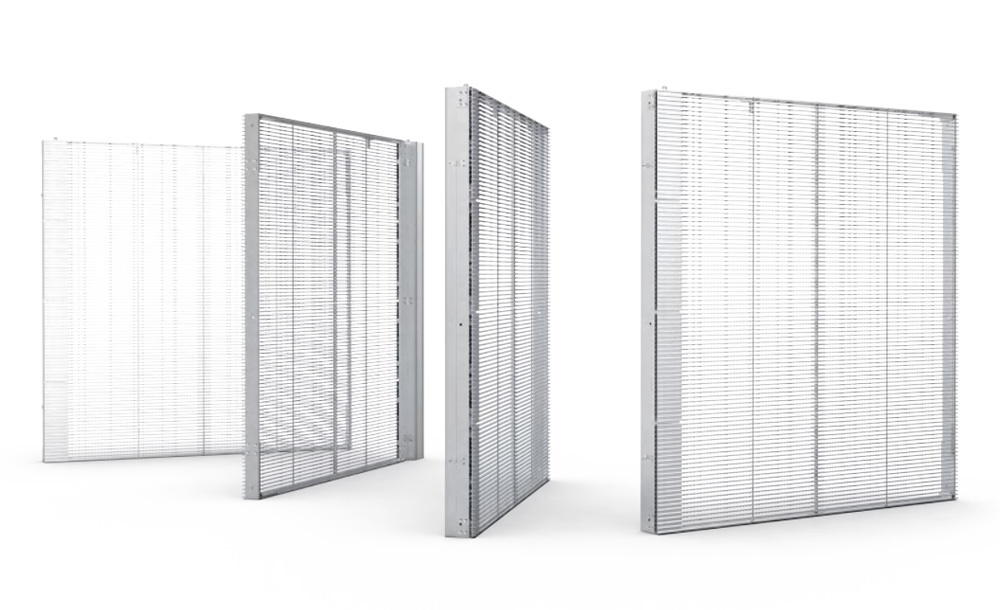
When an outdoor screen blinks out, shows color banding, or trips building circuits during a high-visibility moment, the failure is obvious — and expensive. You need tests that catch those faults before installation. Start by testing representative modules from the same production batch used in your led curtain display, running them through the same mounting, drive electronics, and control signals they’ll see on-site. Don’t assume lab samples represent the whole lot.
Evidence that matters: a high-profile anchor and the real-world stakes
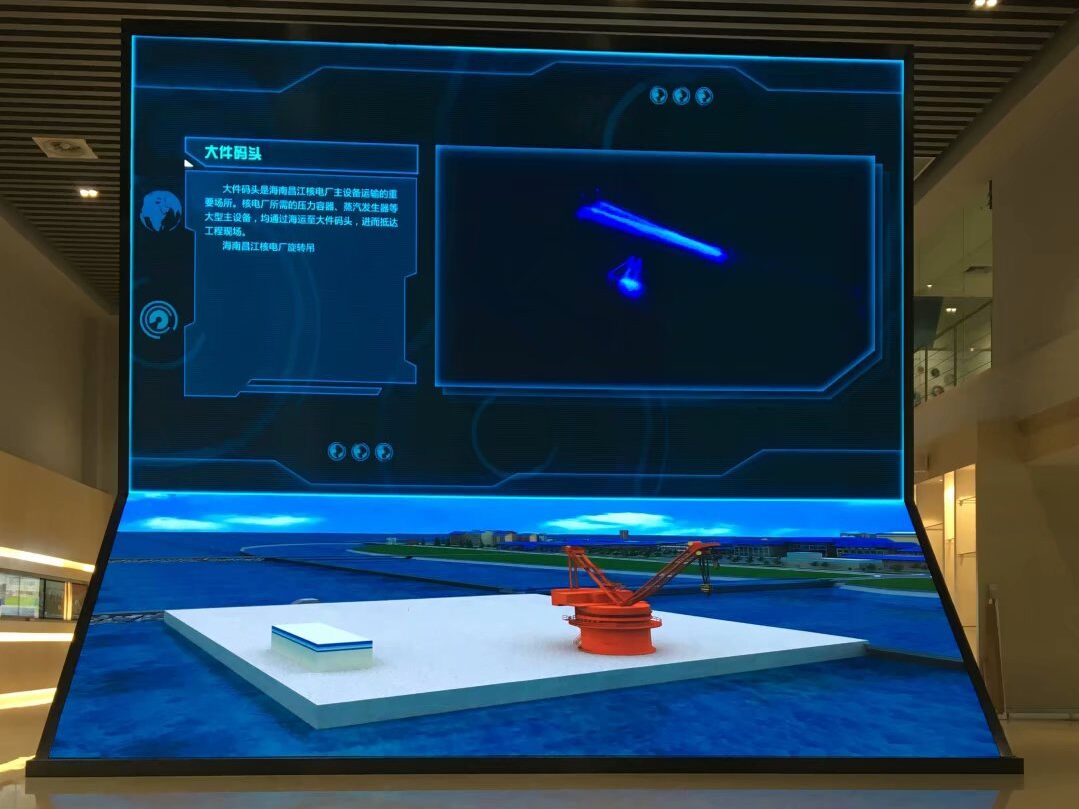
Failures on high-density urban façades—think Times Square—have shown how public-facing displays amplify small defects into large incidents. My approach combines field experience on municipal façade projects with measurement-driven protocols used in industry, and I test for what actually breaks in service. For installations exposed to weather and pedestrian scrutiny, verify modules as assembled into a full facade led screen rather than only as isolated LEDs.
Environmental and structural tests that prevent on-site surprises
Check ingress protection under IEC 60529 (IP rating) with water jets and dust exposure using assembled panels. Run thermal cycling across the expected temperature range and include rapid temperature change cycles to reveal solder fractures and connector fatigue. Apply salt-fog testing for coastal sites, and perform wind-load vibration on full panels where attachment hardware transfers dynamic loads to the structure. Verify mounting tolerances and strain relief for power and data cabling.
Electrical and reliability tests you can’t skip
Measure steady-state power draw and transient spikes with an oscilloscope and power analyzer to expose inrush current and poor power-factor behavior. Burn-in modules at operational brightness for a minimum of 72 hours while logging current, temperature, and pixel failures. Apply surge and lightning-protection verification tailored to local electrical codes. Test driver thermal limits by constraining airflow to simulated worst-case conditions and watch for thermal shutdown or accelerated lumen depreciation.
Optical and color quality checks with instrumented thresholds
Use a calibrated spectroradiometer to check chromaticity (CIE xy) across modules; set pass/fail tolerances by project spec (for example, Δu’v’ ≤ 0.003 for high-accuracy facades). Map luminance uniformity across panels with a lux meter grid; flag any pixel groups deviating more than your defined tolerance. Verify viewing-angle performance and anti-glare coatings under oblique illumination to ensure legibility from intended sightlines.
EMC, control, and software integration tests
Validate electromagnetic compatibility against EN 55032/IEC equivalents to avoid interference with building systems. Stress test control protocols under packet loss and latency conditions; simulate partial network outages to confirm graceful degradation and safe power states. Confirm firmware update procedures and rollback capability so on-site updates don’t brick a façade.
Common mistakes that lead to repeated failures
Don’t skip assembled-panel testing in favor of module-only checks. Ignore connector fatigue and you’ll see mid-life failures. Relying solely on nominal LED binning without characterizing assembled color under operating temperature causes visible mismatch. Overlooking long-term thermal behavior produces premature lumen loss. Finally, accept supplier test reports without witnessing the methods — specification sheets aren’t the same as validated results.
Tools, acceptance criteria, and documentation
Standardize instruments: spectroradiometer, thermal camera, power analyzer, oscilloscope, IP test rig, salt-fog chamber, and vibration table. Define acceptance criteria per test and require batch traceability: serial-numbered modules, production date, and test results stored in a searchable log. Require a failure-mode report for any sample that fails, and demand corrective actions before approving the next batch.
Result: predictable performance and lower lifecycle energy cost
Focus testing on modes that cause field outages: moisture ingress, thermal stress, mechanical fatigue, electrical transients, and control-network faults. Those targeted checks protect visual quality and reduce maintenance visits, improving lifespan and operational energy use. The right QC program ties measured performance to specification and maintenance plans, which is the practical value companies like HDC bring to façade projects.