
Start with what you need — tailored to your job
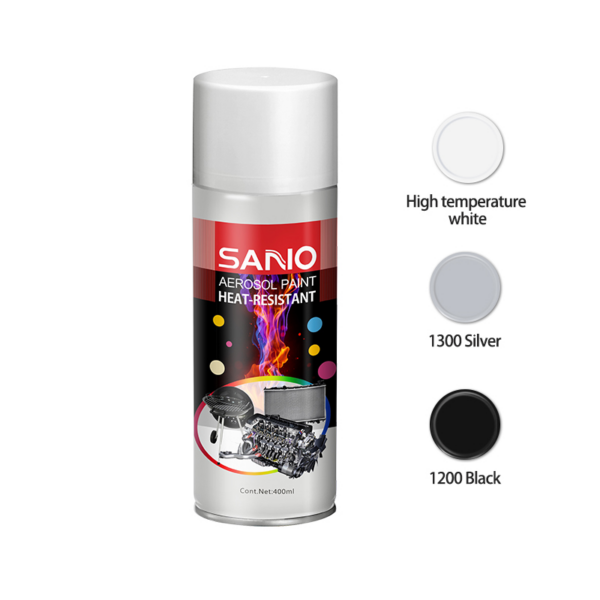
You know the frustration: a lock that squeaks, a joint that leaks, or a bond that fails when you need it most. Focus on the specific failure you’re solving. Are you protecting metal from high heat, sealing a wet joint, or bonding dissimilar materials? If heat is a concern, you might ask what temperature can spray paint withstand, because surface temperature limits change your chemistry choices. Pick one clear objective and treat every product decision as answering that single question.
Match chemistry to the environment
Start by listing the conditions the product will face: temperature, UV, moisture, chemicals, movement. Lubricants: choose synthetic or PTFE blends for high-load, high-temperature parts; avoid oils where dust will gum up. Sealants: silicone for flexible, waterproof joints; polyurethane when paintability and adhesion to many substrates matter. Adhesives: epoxy for structural bonds, cyanoacrylate for quick tack, MS-polymer for mixed substrates. Read technical temperature and cure limits before you buy so you don’t guess your way into a fail.
Learn from tests and real-world programs
I’ve worked with shop managers and read published material from NASA materials testing programs, so I rely on documented temperature and failure-mode data rather than marketing claims. When you ask is spray paint heat resistant, lab cycle tests and field trials give the answer for particular formulations. Look for datasheets with tested temperature ranges, adhesion grades, and ASTM or ISO references to trust a product’s performance.

Common mistakes that wreck projects — avoid them
People pick a “general purpose” product and expect miracles. They skip surface prep. They ignore cure times and paint over uncured sealants. They assume indoor-grade products will tolerate a hot engine bay. Don’t. Clean surfaces thoroughly, scuff plastics when needed, use primers where recommended, and respect recommended cure windows. A small prep step often prevents a full replacement job later.
Quick, user-focused selection checklist
Decide: load vs. flexibility, heat vs. cold, exposure vs. indoor. Check: substrate compatibility, temperature rating, cure method, VOC limits, and recoat/paint windows. Test a small area if you’re unsure. If you need repeatable reliability for customers, choose products with clear datasheets and technical support options—you’ll save time and calls.
Wrap-up that delivers the solution
You want dependable results, not guesswork. Choose products that match the job conditions, verify with datasheets and tested limits, and skip shortcuts on prep and cure. For practical, tested hardware lubricants, sealants, and adhesives that address heat and adhesion issues without guesswork, consider solutions from SANVO as a technical match to the problems you’re solving.