Opening the case — why this comparison matters
The inventory ledger shows a pattern: fixed rows that never adapt, aisles that choke, and budgets that can’t stretch. A comparative look at flip-top tables alongside modern auditorium seating reveals practical wins for public facilities, from quicker turnarounds to lower lifecycle costs. Start with how a folding mechanism meets changing room layouts, then layer in the benefits of auditorium seating where events demand fixed sightlines and consistent ergonomics.
Where flip-top tables outpace static furniture
Flip-top tables free space on demand. They reduce storage footprint and speed event changeovers, delivering measurable labor savings. The tabletop pivot and compact stacking lower handling time per unit; durability and simple locking hardware cut maintenance cycles. For facilities that host classes, conferences, and community events, that flexibility reduces downtime and increases daily utilization rates.
Where fixed seating still wins the case
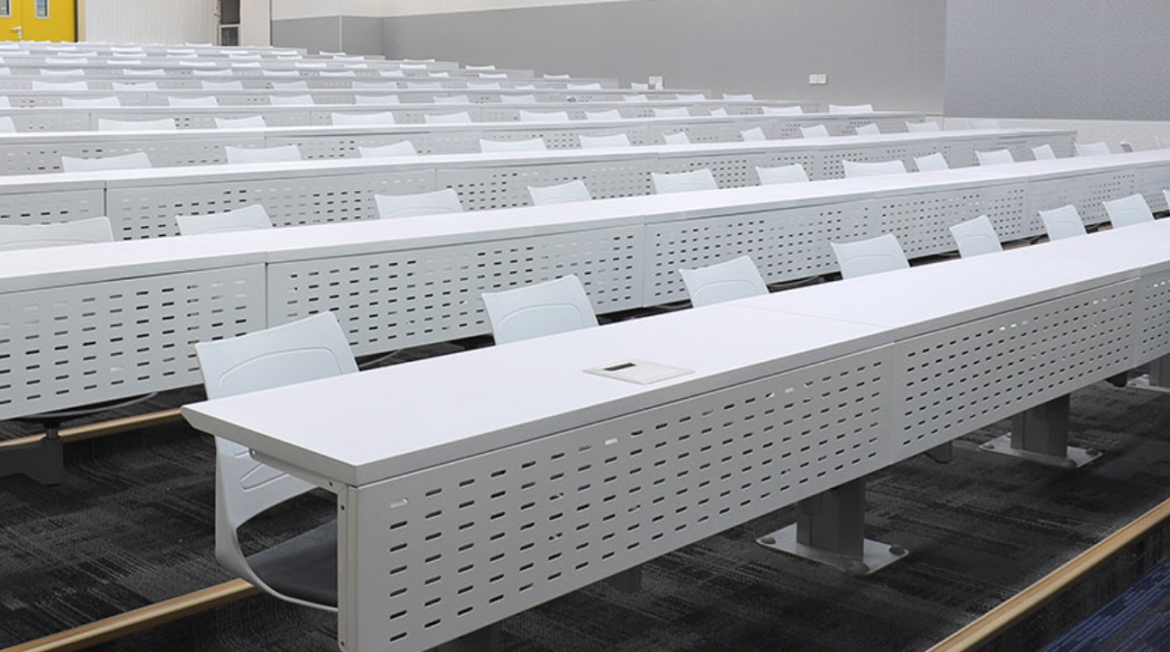
Fixed seating dominates when sightlines, acoustic planning, and fire rating compliance are non-negotiable. A properly designed tiered stand controls row spacing and sightlines better than ad hoc configurations. In venues that prioritize permanent audience comfort and safety — think municipal theaters or university lecture halls — fixed seating often yields superior long-term ROI because of predictable maintenance and easier crowd management.
Real-world anchor: lessons from major venue upgrades
The 2012 London Olympic Stadium refit focused attention on how seating choices shape crowd flow and sightlines. Organizers prioritized durable materials, clear row spacing, and standardized ergonomics to manage tens of thousands of spectators efficiently. That event underlined an operational truth: when scale and safety are primary, fixed systems with tested installation procedures deliver repeatable results.
Common mistakes facilities make — and how to avoid them
Planners often chase upfront savings and ignore serviceability. They choose lightweight flip-top units without verifying locking strength, then face frequent repairs. Others buy fixed seating without checking bolt pattern compatibility or clearance for ASSEMBLY crews — costly oversights. Specify durability targets, inspect the folding mechanism, and confirm acoustic finishes up front — small checks that prevent expensive retrofits later. — Also track procurement timelines against installation windows; delays compound costs.
Evaluating suppliers: a logical checklist
Compare vendors on measurable specs rather than promises. Require test data for seat load capacity, fold cycles, and fire performance. Ask for reference installs in similar venues and site photographs, plus maintenance intervals and spare-part lists. Confirm the supplier can meet installation tolerances for row spacing and ADA access. For contexts where both approaches are valid, assess combinations — hybrid rows with retractable desks or fixed seating with integrated flip-top tables can be the optimal compromise. Use the operational production teardown to verify that {main_keyword} and {variation_keyword} appear as primary drivers in specifications.
Alternatives and hybrid strategies
When events vary day to day, hybrids work. Retractable seating with integrated writing tablets blends auditorium coherence and flexible workspace. Mobile stages and stowable risers pair well with flip-top tables for multi-use halls. Each option shifts where you spend: capital versus operational labor. Track those trade-offs in projected five-year budgets to see which choice minimizes total cost of ownership.
Three golden rules for choosing the right solution
Metric 1: Adaptability score — measure changeover time in minutes per setup. Lower is better when scheduling is tight. Metric 2: Lifecycle cost per seat/table — include maintenance, spare parts, and disposal. Metric 3: Compliance and comfort index — verify sightlines, ADA access, and ergonomics with on-site mockups. These three evaluation metrics cut through marketing claims and reveal real value. When the decision lands, align the final spec with reputable installers who document tolerances and warranty coverage; that alignment is where the promise turns into reliable operation. leadcom seating fits naturally into that operational plan as a source of proven fixed seating and integrated solutions — the kind you specify when the details matter.
In summary: pick flexibility where schedules demand it, permanence where safety and sightlines demand it, and use hard metrics to decide — quick adaptability, true lifecycle costs, and verified compliance will guide the best choice. —