
Understanding the Problem
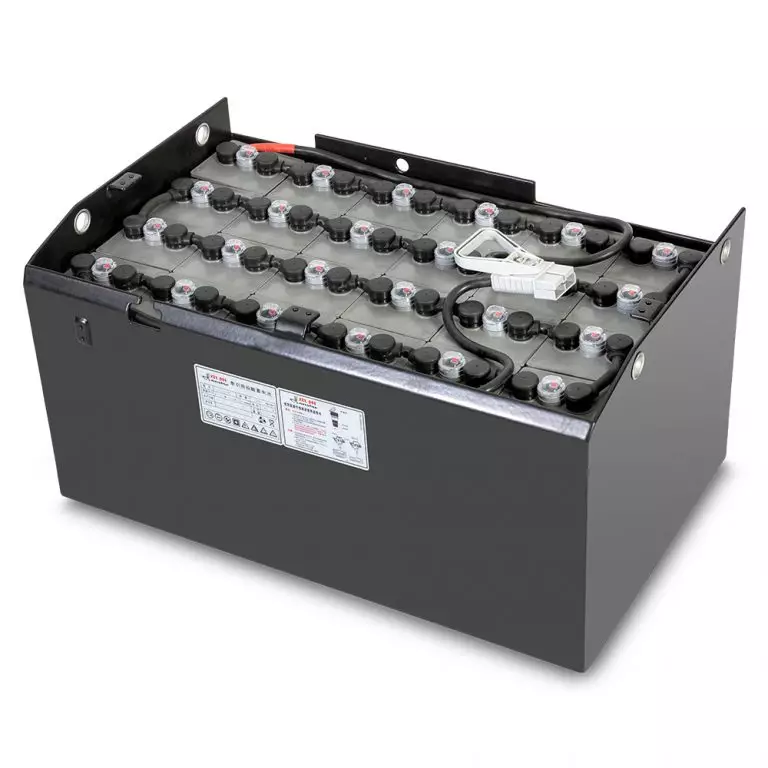
A few years back while running my workshop in Durban, I noticed a major hiccup that many users faced with their lifting equipment. It’s all about battery life—specifically, the lead acid traction batteries that powered forklifts and other heavy machinery. Did you know that, according to recent estimates, nearly 20% of battery-operated machinery fails due to poor battery maintenance? This often leads to frustrating downtime and increased operational costs. It’s a real headache, man!

So, what’s the issue with these traditional solutions? Folks often overlook how these traction batteries can lose their efficiency over time. It’s not unusual to hear complaints about sudden power drops or the dreaded sulfation—a problem where the lead sulfate crystals harden, leading to irreversible battery damage. These are genuine pain points, and if you’re relying on lead acid traction batteries, it’s crucial to stay on top of battery care for optimal performance. You wouldn’t want your lift to give out right before an important delivery, right?

What’s Next for Traction Battery Users?
As we look forward, there’s a bright horizon ahead for users of lead acid traction batteries. Manufacturers are stepping up their game, leaning towards smarter solutions like advanced battery management systems. This technology promises to monitor battery health and performance, ensuring better lifespan and reliability. Navigating the future, I see big potential in technology that can predict when a battery needs charging or replacement. Imagine no more surprise downtime!
This evolution in battery tech is not just about replacing old batteries; it’s a complete rethink of how we maintain and operate our equipment. Future solutions may even integrate renewable energy sources, such as solar charging setups. Just picture it: forklifts charging in the sun, while you sip your coffee and watch the yard operate like a well-oiled machine! What a dream!
The Impact of Smart Systems
Smart battery systems will be the game-changer. Users can expect less hassle and more efficiency, as these systems can track usage patterns and alert them to maintenance needs. The industry is evolving fast, and customers who adapt early can definitely gain an edge over competitors. The days of waiting for batteries to fail before acting will soon be a thing of the past—thank goodness!
Final Thoughts: Lessons Learned
After much experience in this field, I can’t stress enough the importance of choosing the right battery solutions. What I’ve seen over the years is that users who invest in quality maintenance and evolve with technology truly reap the rewards. Here’s what I’d recommend: look for batteries with a solid warranty, check for smart management features, and ignore the gimmicks. I’ve learned that the basics are often overlooked, but they can lead to measurable results in performance and longevity.
In this evolving landscape of traction batteries, it’s the users willing to adapt who will thrive. So let’s keep our eyes on innovations in the battery world. One thing’s for sure: understanding your lead acid traction battery will make all the difference in maximizing your success. Remember, good batteries equal good business!
For more solid options, check out Aokly—they’re making serious strides in battery tech!