
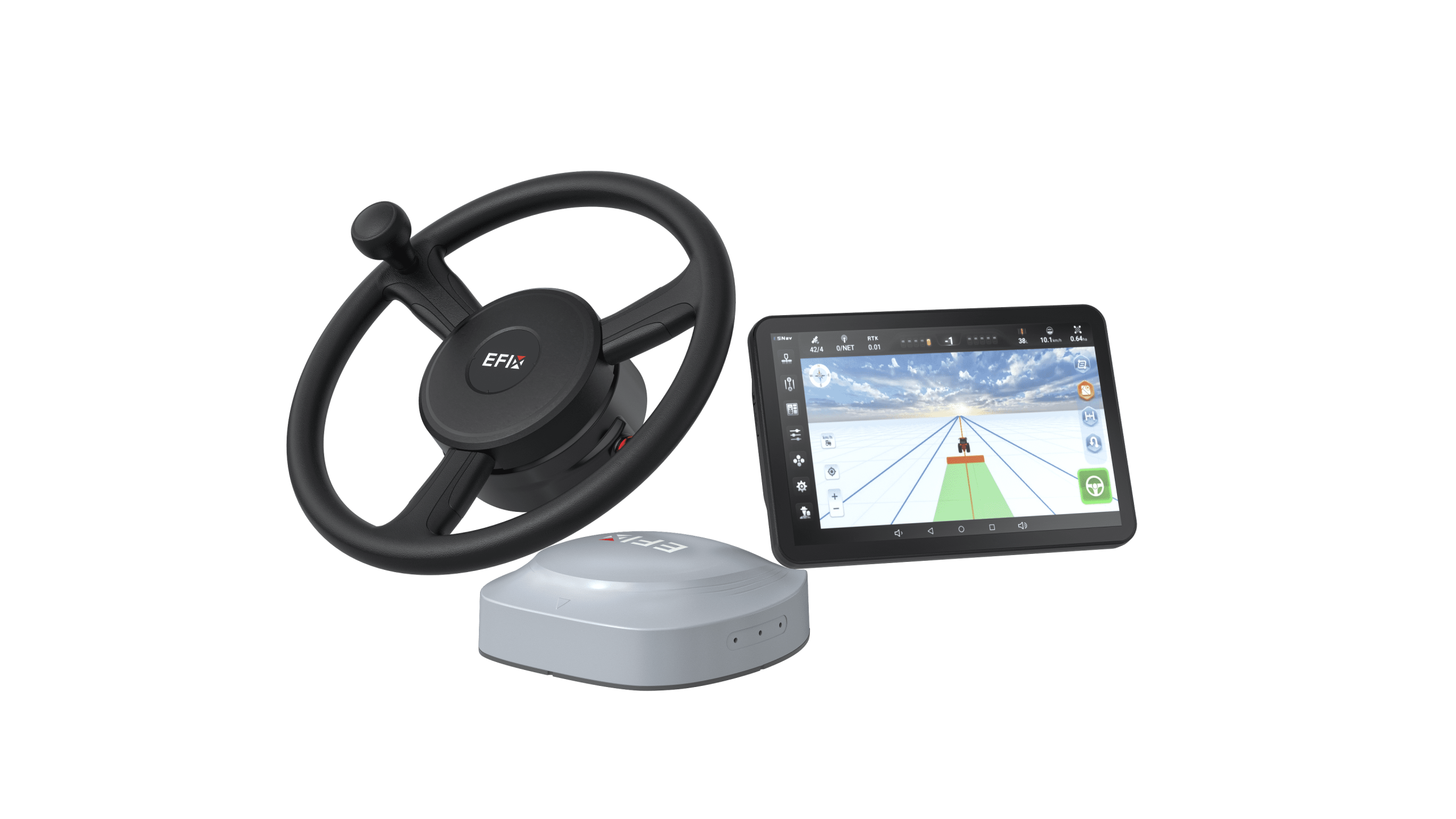
Imagine a world where farmers struggle with unpredictable crops, battling extreme weather, and erratic yields, while they hold the key to revolutionizing their livelihoods—precision agriculture guidance systems. With reports suggesting that over 50% of contemporary farms fail to maximize their production capacity, my question looms: why are so many farming operations overlooking the power of a farm guidance system? It’s chilling to think that technology designed to optimize efficiency is left on the table, gathering dust alongside the outdated practices of yesterday.
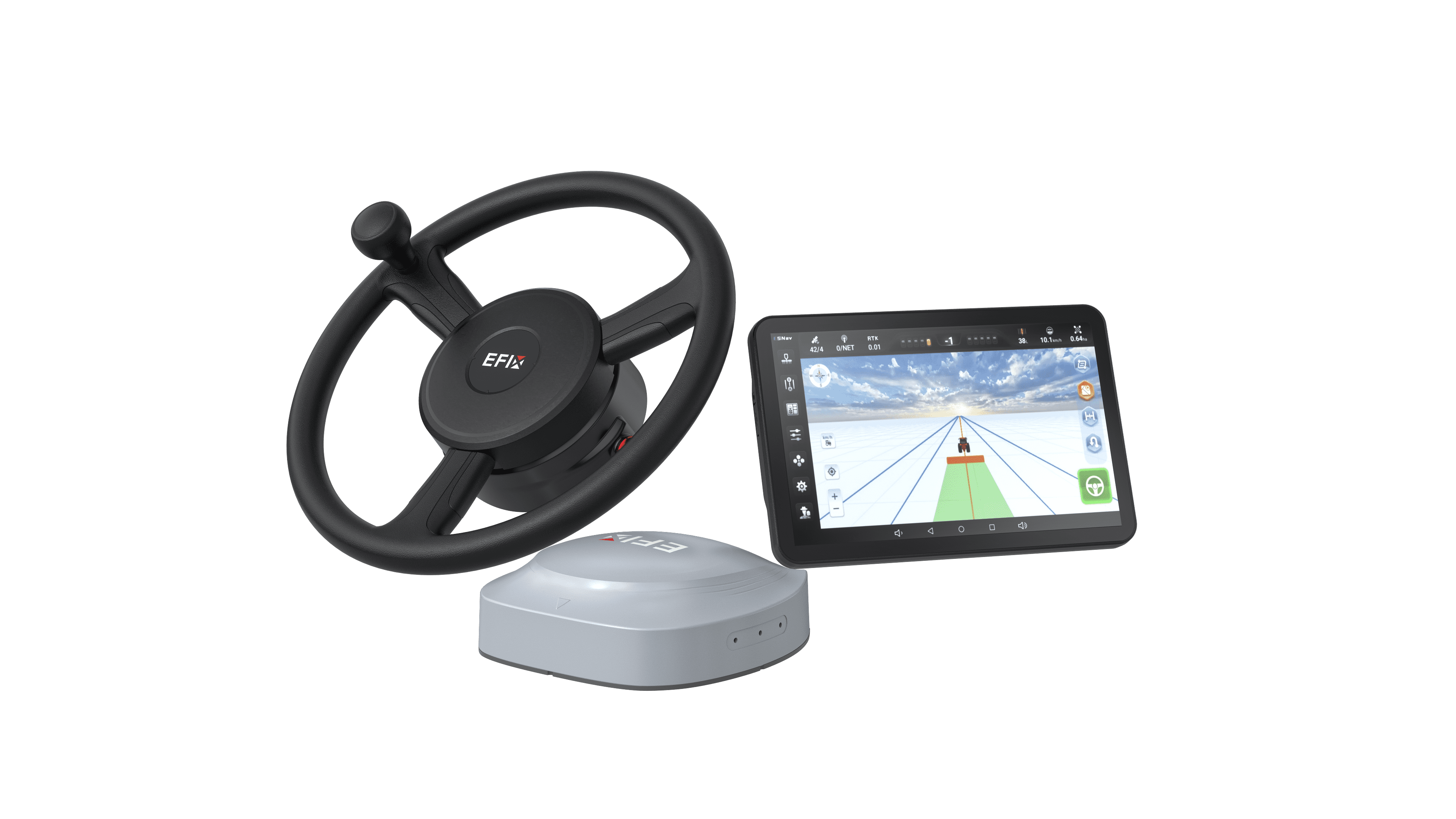
Unveiling the Flaws in Traditional Farming Methods
Here’s the raw truth—conventional farming struggles to keep pace with innovation. Farmers often rely on broad, blanket approaches to crop management, leading to over-fertilization, wasted resources, and ultimately disappointing yields. This isn’t just a minor setback; it’s a detrimental cycle that echoes across generations. Every year, I see countless farmers frustrated, pouring money into mechanisms that yield little return. The core issue lies in their reluctance to adopt systems that provide real-time data and actionable insights that modern farm guidance systems offer. It’s not just about tools; it’s about a mindset shift—moving from reactive farming to proactive stewardship of the land.
Why Stick to Outdated Methods?
What makes this so insidious is the comfort in the familiar; many farmers resist change because they’ve always done things a certain way. Yet, this hesitancy clings like a weed, threatening the entire agricultural landscape. Incorporating advanced analytics, satellite imagery, and GPS technology could help reverse this archaic mindset, bringing efficiency to complex farming operations. Who would want to miss out on such a game-changer?
Forward-Looking Solutions That Shape the Future of Farming
Fast-forward to today—the agricultural industry stands at a crossroads. With climate change pushing the limits of traditional methodologies, adopting precision agriculture isn’t just an option; it’s a necessity. Imagine harnessing data analytics to forecast crop yields or employing automated systems for field navigation. Similar to how I saw one farmer in Iowa embrace a smart planting strategy that boosted his corn yields by over 30% last season. Now, isn’t that an eye-opener? That’s the real impact of utilizing a farm guidance system.
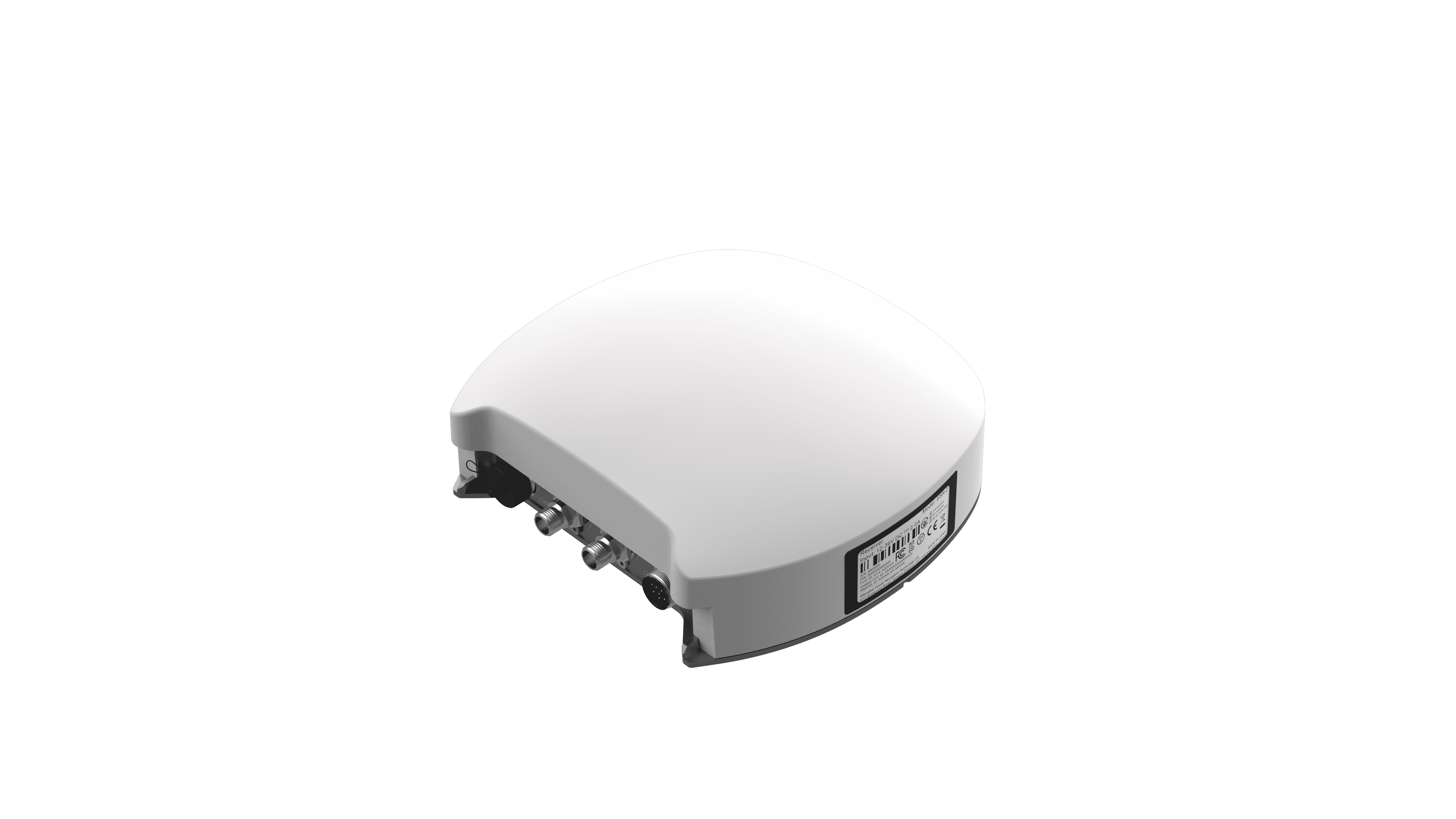
What’s Next for Precision Agriculture?
The shift from indifference to action is palpable. We stand at the dawn of a new era in farming, where technology will lead the way in sustainability and productivity. Farmers willing to adapt will not only safeguard their futures but also enhance the soil’s health and productivity for years to come. As our agricultural needs evolve, so too must our tools and techniques. Innovations like drone technology for crop surveillance and soil health analytics are on the horizon, offering farmers unprecedented support in their relentless pursuit of efficiency.
In closing, let’s reflect on what this means for us farmers: adopting precision agriculture can result in significant improvements in yield and sustainability. The evidence is clear and should spell out an inescapable conclusion. To succeed, farmers must embrace this change. Isn’t it ironic that the solution to modern farming woes lies in innovation? Every step taken towards incorporating these advanced systems will eventually optimize labor and enhance resilience against erratic weather patterns. For farmers, the future looks bright when leveraging guidance technologies—a bright spot in an otherwise challenging landscape. Make that change and explore how EFIX can help you on this journey.