
Start with the problem — what actually goes wrong
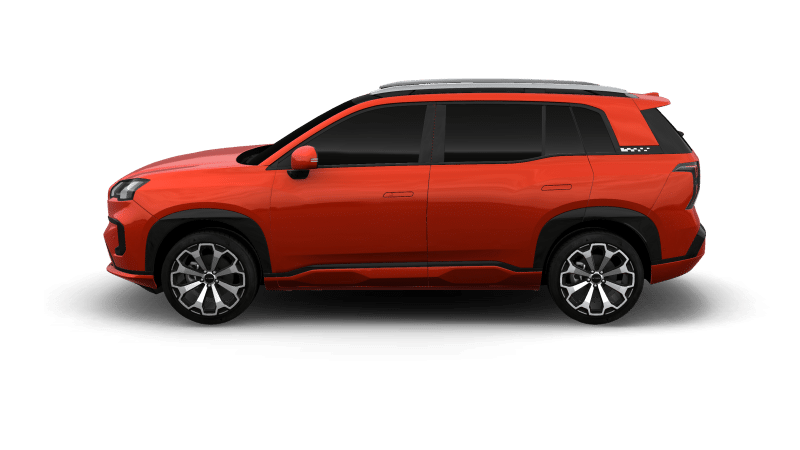
You like the idea of an electric SUV, but ownership problems can bite hard if you don’t plan. The Aion V looks promising and the specs read well; if you’re sizing up the best aion car for daily use in Manila you need to target realistic gaps: limited dealer coverage, uncertain spare-part lead times, charging availability on longer routes, and different maintenance needs compared with petrol cars.
Service network — where breakdowns become manageable
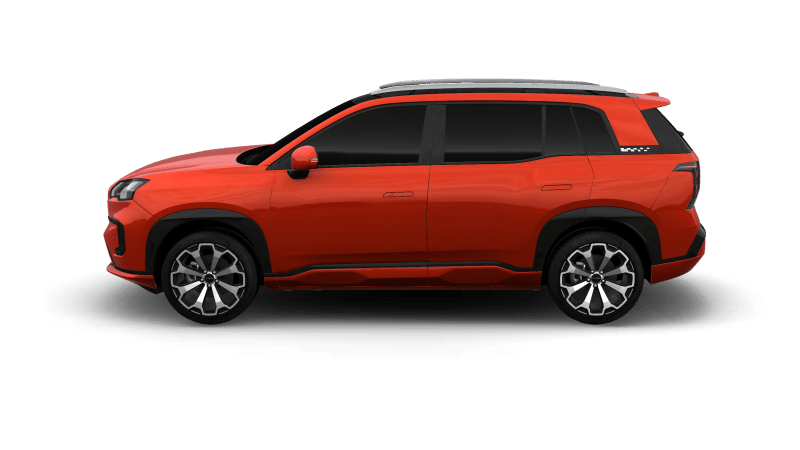
Don’t assume service is the same as for ICE models. Confirm these points before you buy:- Dealer footprint: pick a seller with trained EV technicians and a stocked parts inventory.- Warranty details: get it in writing — battery terms, roadside assistance, and what voids coverage.- Local technician access: verify whether independent garages can perform basic diagnostics and repairs.- Parts lead times: understand how long critical parts might take if they’re imported.
Running costs — what actually hits your monthly budget
Count more than the sticker price. Key cost items to plan:- Energy vs fuel: estimate charging costs using local electricity rates and your typical daily kilometers.- Home charging setup: installation and upgrade costs for a reliable home charger can be significant upfront.- Insurance and depreciation: premiums for EVs differ; check insurers’ stance on battery coverage.- Unexpected replacements: battery health questions mean plan for mid-to-long-term battery diagnostics or refurb options.Reduce surprises by measuring your real commute, mapping charging stops, and asking the dealer for typical owner cost examples.
Common ownership mistakes to avoid
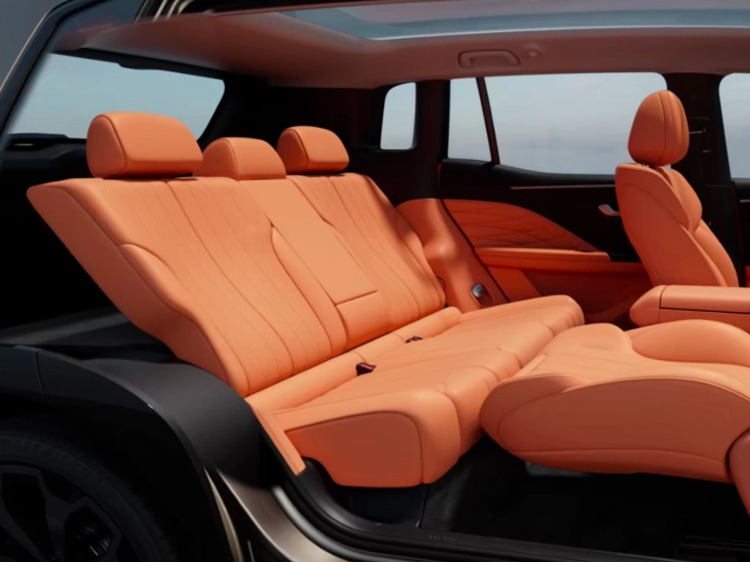
Buyers repeat simple errors. Don’t:- Assume all chargers you find are reliable or compatible.- Overlook dealer service schedules and whether software updates are handled locally.- Base range expectations on ideal test-cycle figures instead of real-road conditions.- Skip a test drive that includes AC use, hills, and highway — those change range and behavior noticeably.
Practical support planning for day-to-day use
Make support predictable:- Map primary and secondary charging options on routes you actually drive.- Keep a checklist of symptoms and the dealer contact to speed up diagnostics.- Ask about loaner cars or shuttle support during long repairs.- Learn basic EV troubleshooting (charging port checks, 12V system resets) so you don’t wait on minor fixes.
When alternatives matter
If after checking service and costs the risks still feel high, compare realistically with other choices: well-supported hybrids or locally popular EVs that have broader dealer networks. Don’t chase range numbers alone — the cheaper, supported option often wins in total cost and downtime.
Bottom line
Make ownership decisions by solving problems ahead of time: verify dealer competence, plan energy and maintenance budgets, and map usable chargers. If those boxes are checked, you get the technology without the surprises, and an aion car can fit cleanly into daily Philippine driving life.