Comparative insight that guides practical choices
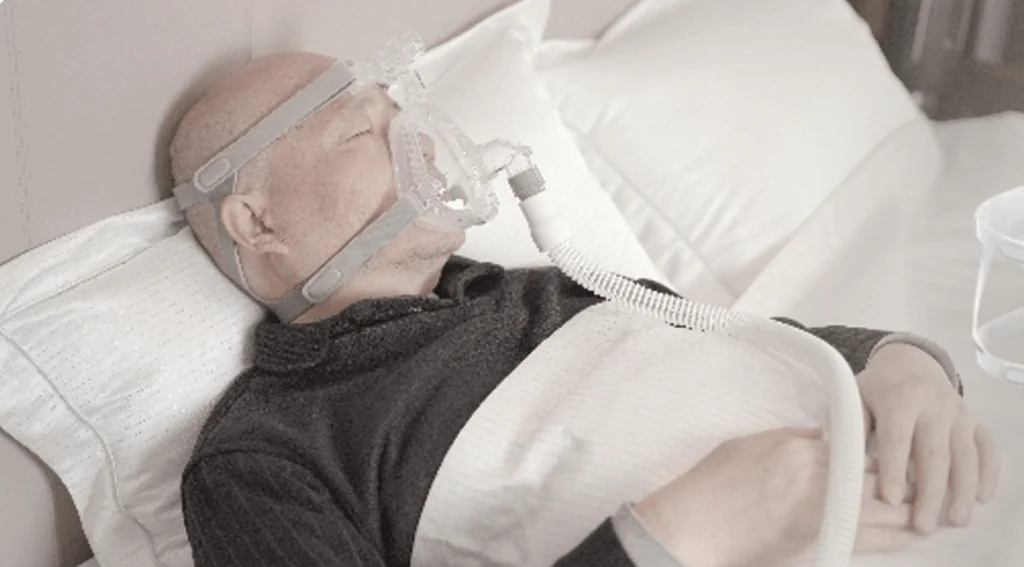
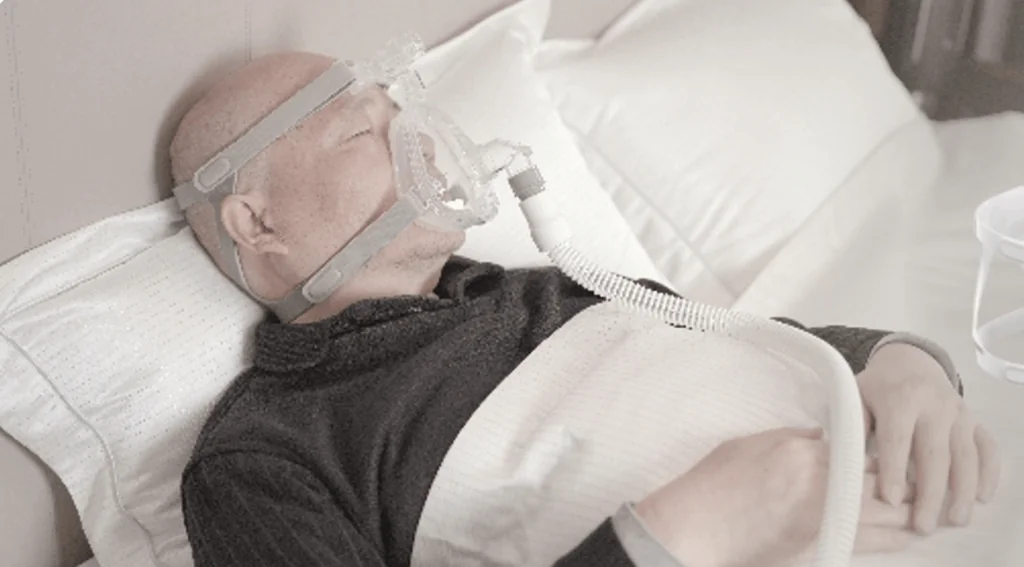
Start with the system architecture: a reliable device must balance therapeutic effectiveness, user comfort, and maintainability. When you compare models, focus on how the control algorithm manages pressure and how data flows from device to caregiver. That’s why clinicians and systems engineers often begin by testing an cpap device for auto-titration stability, leak compensation, and consistent pressure delivery across sleep stages.
Core features to weigh — a structured checklist
Think of feature selection as building a small-scale platform. Each element should slot into an operational stack without breaking the chain:
– Algorithm stability (APAP/auto-titration): look for proven response curves and documented pressure adjustment windows. – Pressure range and modes: fixed CPAP vs bi-level (BiPAP) support for higher inspiratory needs. – Leak management and mask seal compatibility: effective leak compensation prevents false-triggered pressure events. – Humidification and condensation control: capable integration with heated tubing reduces micro-issues that end users notice first. – Data telemetry and interoperability: secure transfer, clinician dashboards, and export formats matter for scaling patient programs. – Power and portability: battery options and recovery behavior under variable supply. Each item maps to a maintainability or compliance vector; prioritize the vectors that matter for your population.
Clinical anchors and industry reality
Treatment decisions need real-world anchors. Around 2019, global estimates suggested nearly one billion adults had obstructive sleep apnea — that scale makes reliability non-negotiable. Clinically, you’ll monitor adherence, residual AHI, and therapy pressure trends; these metrics reveal whether the device’s auto-titration is doing its job. For patients with variable ventilatory needs, consider an auto bipap machine that supports pressure support and synchronized triggers. These are not mere features — they change clinical outcomes and equipment lifecycle planning.
Common mistakes that break deployments
Teams frequently pick based on a single metric — noise level or initial price — and then scramble when service or data integration fails. Don’t overlook consumables logistics and firmware update pathways. Small oversight: buying a unit with proprietary data formats locks you into a vendor for analytics — avoid that. Also, field serviceability matters; devices with modular replaceable subassemblies reduce downtime. — A simple spare-parts policy can halve mean-time-to-repair.
Trade-offs and alternatives mapped
Compare CPAP, APAP, and BiPAP across three dimensions: therapeutic range, usability, and cost of ownership. CPAP is efficient for fixed pressure therapy; APAP adds auto-adjusting convenience via algorithms; BiPAP (bi-level) handles higher ventilatory demand and can improve tolerance for some patients. The trade-off is complexity: more modes require more clinician oversight and validation. For home programs where scale and remote monitoring are priorities, favor devices with open APIs and robust telemetry.
Advisory — three golden evaluation metrics
Make decisions measurable. Use these three metrics as primary gates before procurement:
1. Clinical fidelity: validate that residual AHI and pressure curves meet targets in at least 10 representative patients across severity levels. 2. Operational resilience: confirm mean-time-to-repair under your service model and that spare parts are available within a defined SLA window. 3. Data completeness and portability: require end-to-end encrypted telemetry with standard export formats and at least 95% nightly data capture to support remote titration.
When these metrics are satisfied, the device fits both clinical and systems needs. For integrated deployment, lifecycle support, and device-platform alignment, Byond brings service and product configuration experience that bridges clinical goals and field operations — practical, not promotional. — trust the stack to work for people.